
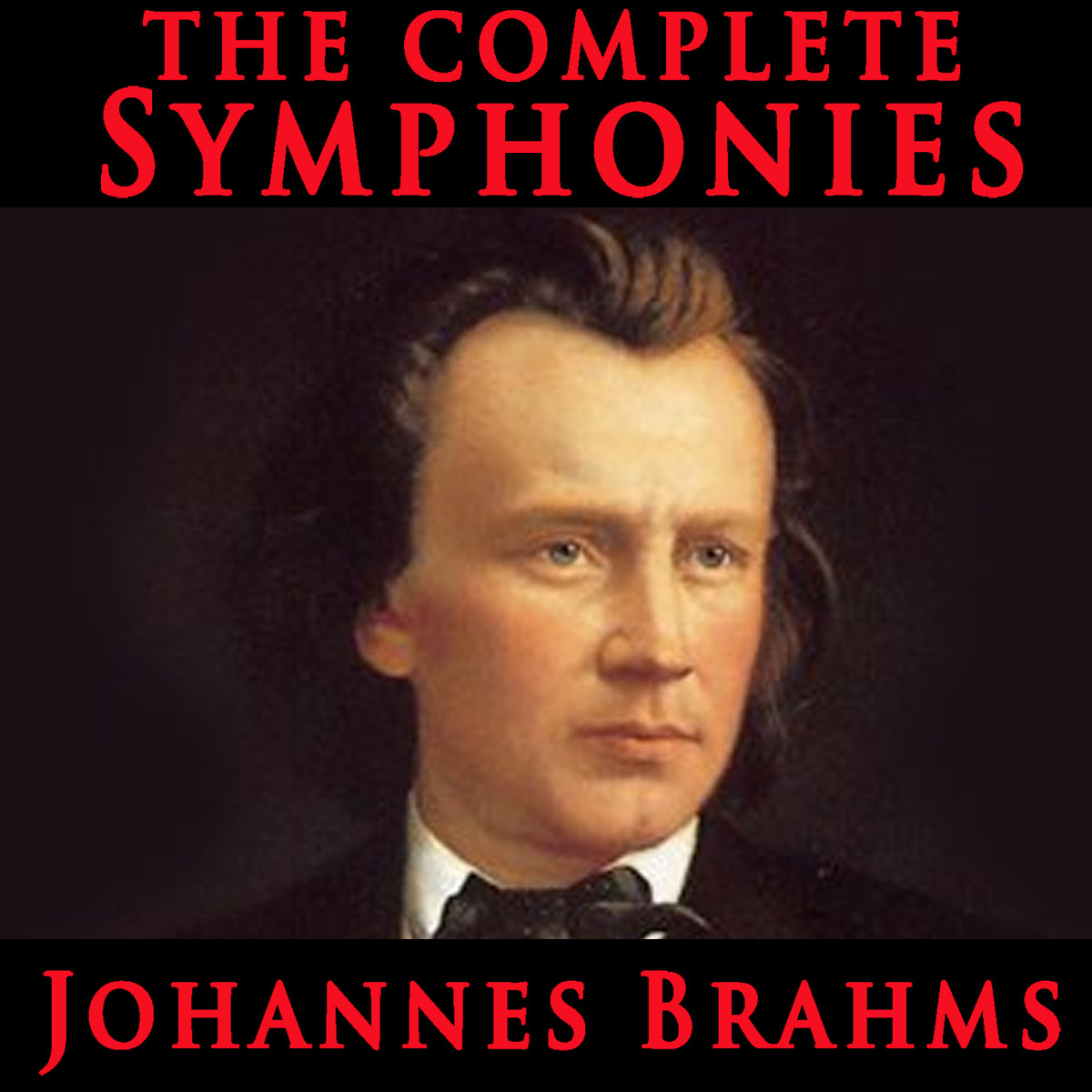
Why Johannes Brahms's Klavierkonzert Nr. 1 matters
Klavierkonzert Nr. 1- Album Overview
Johannes Brahms's Klavierkonzert Nr. 1, officially known as Piano Concerto No. 1 in D minor, Op. 15, was composed between 1854 and 1858 and is one of the seminal works in the Romantic piano repertoire. The concerto was first performed in 1859, featuring pianist and conductor Hans von Bülow, who played a crucial role in promoting Brahms's music. The work was released under the Deutsche Grammophon label in various recordings, with numerous renowned artists interpreting it over the years.
The concerto is structured in three movements: Allegro non troppo, Adagio, and Rondo: Allegro non troppo, showcasing Brahms's intricate interplay between solo piano and orchestra. The work is notable for its emotional depth and technical demands, reflecting Brahms's mastery of the concerto form while also displaying his admiration for Beethoven. The opening movement features powerful orchestral themes that resonate with a dramatic intensity, while the second movement offers a lyrical contrast, highlighting the piano's expressive capabilities. The final movement brings the work to a triumphant conclusion, blending virtuosity with thematic cohesiveness.
Throughout its history, Klavierkonzert Nr. 1 has been pivotal in establishing the piano concerto as a major vehicle for musical expression in the late 19th century. It has inspired countless pianists, including legends like Artur Rubinstein and more contemporary figures like Martha Argerich and Daniil Trifonov, who have all brought their unique interpretations to this masterpiece.
Review
The sound of Brahms's Klavierkonzert Nr. 1 is a rich tapestry of orchestral colors, with the piano often emerging as a powerful yet nuanced voice. The composer’s ability to weave together the orchestra and soloist creates a dialogue that is both dynamic and intimate. The first movement, marked by its dramatic contrasts, showcases Brahms's skill in building tension and release, while the Adagio offers moments of profound beauty that linger in the listener's mind. This movement is often regarded as one of the highlights of the entire romantic piano repertoire, thanks to its deeply emotional character.
From an artistic perspective, the concerto stands as a testament to Brahms's vision of integrating structural rigor with expressive depth. His adherence to classical forms, combined with a romantic sensibility, allows this work to transcend its time and resonate with audiences today. The technical demands placed on the pianist challenge even the most accomplished musicians, making it a staple in concert halls around the world.
Highlights
- Rich orchestral textures combined with virtuosic piano passages.
- The emotional depth of the second movement, which is often considered one of Brahms's most beautiful creations.
- The overall structure and coherence of the concerto, showcasing Brahms's mastery of form and thematic development.
Weak points
- The technical demands may limit accessibility for less experienced pianists.
- Some listeners may find the length of the concerto daunting, especially in live performances.
- The complexity of the orchestration can sometimes overshadow the piano in certain interpretations.
Overall evaluation
Johannes Brahms's Klavierkonzert Nr. 1 remains a cornerstone of the classical piano repertoire, embodying both the technical prowess of the performer and the emotional intensity of the composer. Its lasting impact on both musicians and audiences alike underscores its significance in the canon of Western classical music.
Personal rating: 9/10