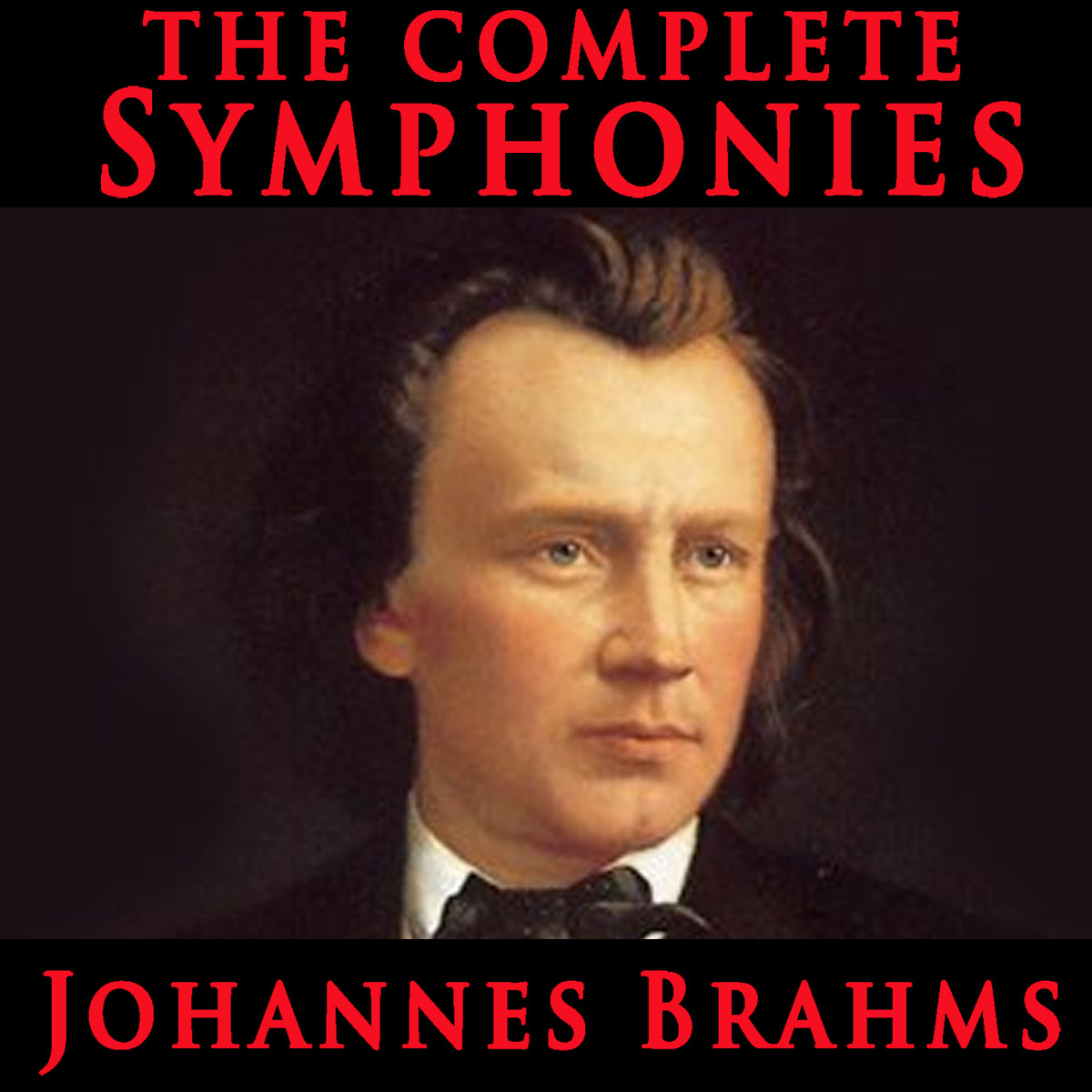
ALBUM NOTESExploring the sound of Johannes Brahms: Johannes Brahms, Ein Deutsches Requiem, Op.45
Johannes Brahms, Ein Deutsches Requiem, Op.45- Album Overview
Johannes Brahms' "Ein Deutsches Requiem, Op. 45," composed between 1865 and 1868, stands as a monumental work in the choral repertoire. Unlike traditional requiems that focus on the Latin Mass for the Dead, Brahms crafted this piece using texts from the Lutheran Bible, emphasizing comfort and hope for the living rather than the dead. The work premiered in Bremen in 1868, conducted by the composer himself, and was later performed in Vienna, further solidifying its significance and popularity.
The piece is divided into seven movements, each designed to evoke a spectrum of emotions, from mourning to solace. Notable movements include "Selig sind, die da Leid tragen," which opens the work with a poignant message of blessedness in sorrow, and "Denn alles Fleisch, es ist wie Gras," which reflects on the transience of life.
Brahms collaborated with prominent performers and orchestras throughout his life, and the recording history of this requiem features numerous interpretations by esteemed conductors and ensembles. The piece has been recorded by various labels, including Deutsche Grammophon and EMI, reflecting its lasting impact on classical music. Its cultural significance extends beyond concert halls, often performed at memorials and commemorative events, highlighting its universal themes of grief and hope.
Review
Brahms' "Ein Deutsches Requiem" is a masterclass in emotional depth and orchestral texture. The music unfolds with a blend of rich harmonies and lyrical melodies, showcasing Brahms' ability to convey profound human experiences. The orchestration, featuring a full orchestra alongside a four-part choir, creates a lush soundscape that envelops the listener.
The textural contrasts throughout the movements keep the listener engaged, with the serene beauty of the choral sections juxtaposed against the powerful orchestral interludes. Brahms' artistic vision shines through his thoughtful pacing and climactic moments, inviting reflection on the themes of mortality and consolation.
While the work is deeply rooted in the Lutheran tradition, its universal themes resonate with audiences of all backgrounds. The emotional weight of the requiem, paired with its innovative structure, marks it as a pivotal work in the choral canon, influencing generations of composers and performers alike.
Highlights
- Innovative use of biblical texts, providing a fresh perspective on the requiem genre.
- Rich orchestration and harmonies that evoke a wide range of emotions.
- Universal themes of comfort and hope that resonate across cultures and traditions.
Weak points
- Some may find the pacing of certain movements to be slow or contemplative, potentially challenging for casual listeners.
- The absence of a traditional Latin text may alienate audiences expecting a conventional requiem.
- As a lengthy work, it requires full attention, which might be taxing for some listeners.
Overall evaluation
Brahms' "Ein Deutsches Requiem" is a profound exploration of grief and solace, showcasing his distinctive style and emotional depth. Its innovative structure and universal messages ensure its place in the choral repertoire.
Personal rating: 9/10