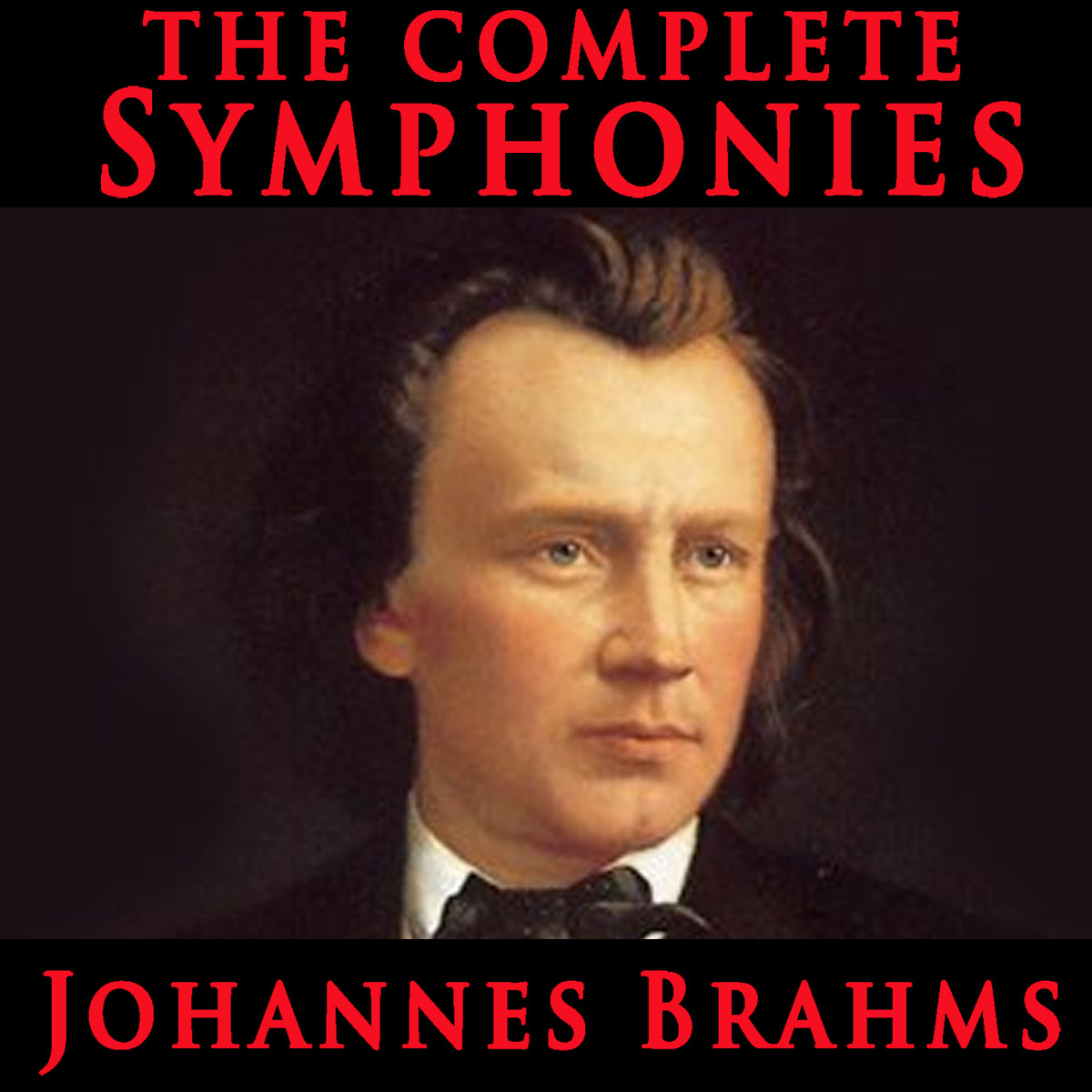
ALBUM NOTESReview of Johannes Brahms – Die Bratschensonaten, Op. 120
Die Bratschensonaten, Op. 120- Album Overview
Die Bratschensonaten, Op. 120, composed by Johannes Brahms in 1894, is a significant work in the chamber music repertoire, showcasing the viola's rich and expressive capabilities. This album features two sonatas for viola and piano, specifically Sonata No. 1 in F minor, Op. 120, No. 1, and Sonata No. 2 in E-flat major, Op. 120, No. 2. The compositions were created during a fruitful period in Brahms' later years when he sought to explore the viola, an instrument he had not extensively used before.
The album has seen various recordings since its release, with notable interpretations by acclaimed musicians. It is often praised for its lyrical melodies and intricate interplay between the viola and piano, reflecting Brahms’ deep understanding of both instruments. The works are characterized by their emotional depth and technical demands, making them a staple for violists and a favorite among chamber music enthusiasts.
The album's production and recordings have been carried out by various labels, including Deutsche Grammophon and others, showcasing different artistic collaborations that have brought Brahms’ vision to life. The sonatas are significant not only for their musicality but also for their exploration of themes such as nostalgia, introspection, and the passage of time—common to Brahms’ later works.
Bringing these compositions to modern audiences has been crucial in understanding Brahms' contributions to late Romantic music, further solidifying his place in the classical canon.
Review
The sound of Brahms' Op. 120 sonatas is a magnificent blend of the viola's warm, rounded tones and the piano's rich harmonic underpinnings. The compositions are intricate yet accessible, allowing performers to express a wide range of emotions. The lyrical quality of the music stands out, particularly in the second movement of Sonata No. 1, where the conversation between viola and piano feels both intimate and profound.
Artistic vision is evident throughout the album, with each sonata reflecting Brahms' deep musicality and his ability to weave complex emotional narratives. The interplay between the instruments is masterfully crafted, creating moments of tension and release that keep the listener engaged. The album does an excellent job of highlighting the viola's versatility, moving seamlessly from reflective passages to more vigorous, spirited sections.
The performers' interpretations breathe new life into Brahms' work, showcasing the nuances that make these sonatas enduring favorites among musicians.
Highlights
- The emotional depth conveyed through the lyrical melodies.
- The intricate interplay between the viola and piano, showcasing technical prowess.
- The timeless relevance of Brahms' themes, resonating with contemporary audiences.
Weak points
- The complexity may pose challenges for less experienced performers.
- Some listeners may find the slower movements less engaging.
- Interpretations vary widely, which may lead to inconsistency in recordings.
Overall evaluation
Johannes Brahms' Die Bratschensonaten, Op. 120, remains a pivotal work in the chamber music landscape, offering profound insights into the human experience through its rich emotional tapestry. The album serves as a testament to Brahms' mastery and continues to inspire both performers and listeners alike.
Personal rating: 9/10