
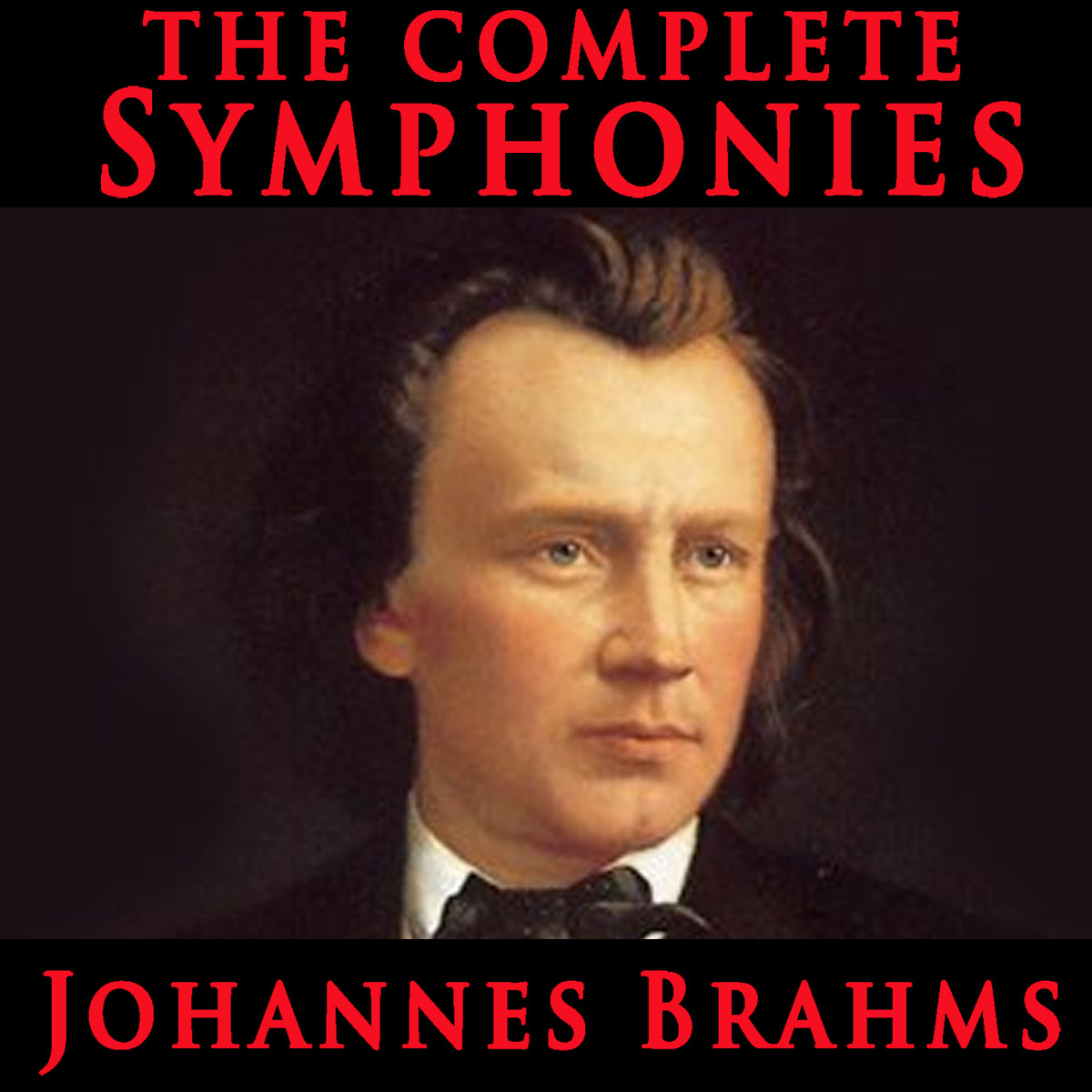
Johannes Brahms – Ein Deutsches Requiem, Op. 45: track-by-track perspective
Ein Deutsches Requiem, Op. 45- Album Overview
Johannes Brahms' "Ein Deutsches Requiem, Op. 45" is a monumental work in the choral repertoire, composed between 1865 and 1868 and first performed in 1868 in Bremen. Unlike traditional requiems that are typically liturgical, Brahms' interpretation is a humanistic reflection on loss and consolation, drawing text primarily from the Lutheran Bible. The piece was published by the renowned music publisher Simrock in 1869. Brahms himself conducted the first performance, which featured a large chorus and orchestra, setting the stage for a new kind of requiem that emphasized the living rather than the dead. The work is structured in seven movements, with each reflecting profound emotional depth and introspection. Collaborators on various recordings include distinguished performers like conductor Herbert von Karajan and the Vienna Philharmonic, as well as celebrated soloists such as soprano Barbara Bonney and baritone Thomas Quasthoff. "Ein Deutsches Requiem" is not only a significant piece of music history but also a cultural touchstone that resonates with themes of mourning and hope, making it a staple in both concert halls and recording catalogs. The album has seen numerous acclaimed recordings, contributing to its lasting legacy in the classical music canon.
Review
The musical language of "Ein Deutsches Requiem" is rich and varied, showcasing Brahms' mastery of orchestration and choral writing. The lush harmonies and intricate counterpoint create a soundscape that is both solemn and uplifting. Each movement serves as a meditative journey, beginning with the comforting words "Selig sind, die da Leid tragen" ("Blessed are those who mourn") and culminating in a triumphant affirmation of eternal life. Brahms' use of traditional German texts adds a layer of cultural significance, connecting the work to the broader context of 19th-century German nationalism and spirituality. The emotional weight of the music is palpable, with the interplay between the chorus and orchestra evoking a sense of profound introspection. The solo passages, particularly in the second movement, allow for moments of personal reflection that deepen the listener's engagement. Brahms’ innovative approach to choral writing, characterized by a blend of lyricism and structural rigor, makes this requiem a timeless piece that continues to resonate deeply with audiences and performers alike.
Highlights
- The emotional depth of the choral writing, particularly in the first and last movements.
- The seamless integration of orchestral and vocal elements that enhances the overall impact.
- The unique humanistic approach to the requiem text, focusing on comfort and hope rather than traditional liturgical themes.
Weak points
- Some listeners may find the length of the work challenging, as it exceeds an hour.
- The absence of a dramatic narrative may not appeal to those accustomed to more traditional operatic forms.
- Certain movements may require a more nuanced interpretation to fully capture their emotional essence.
Overall evaluation
"Ein Deutsches Requiem, Op. 45" is a profound and beautifully crafted work that stands as a testament to Brahms’ genius. Its exploration of grief and consolation continues to resonate with audiences, affirming its place in the choral repertoire. The blend of orchestral and vocal forces creates a rich tapestry of sound that invites deep reflection.
Personal rating: 9/10