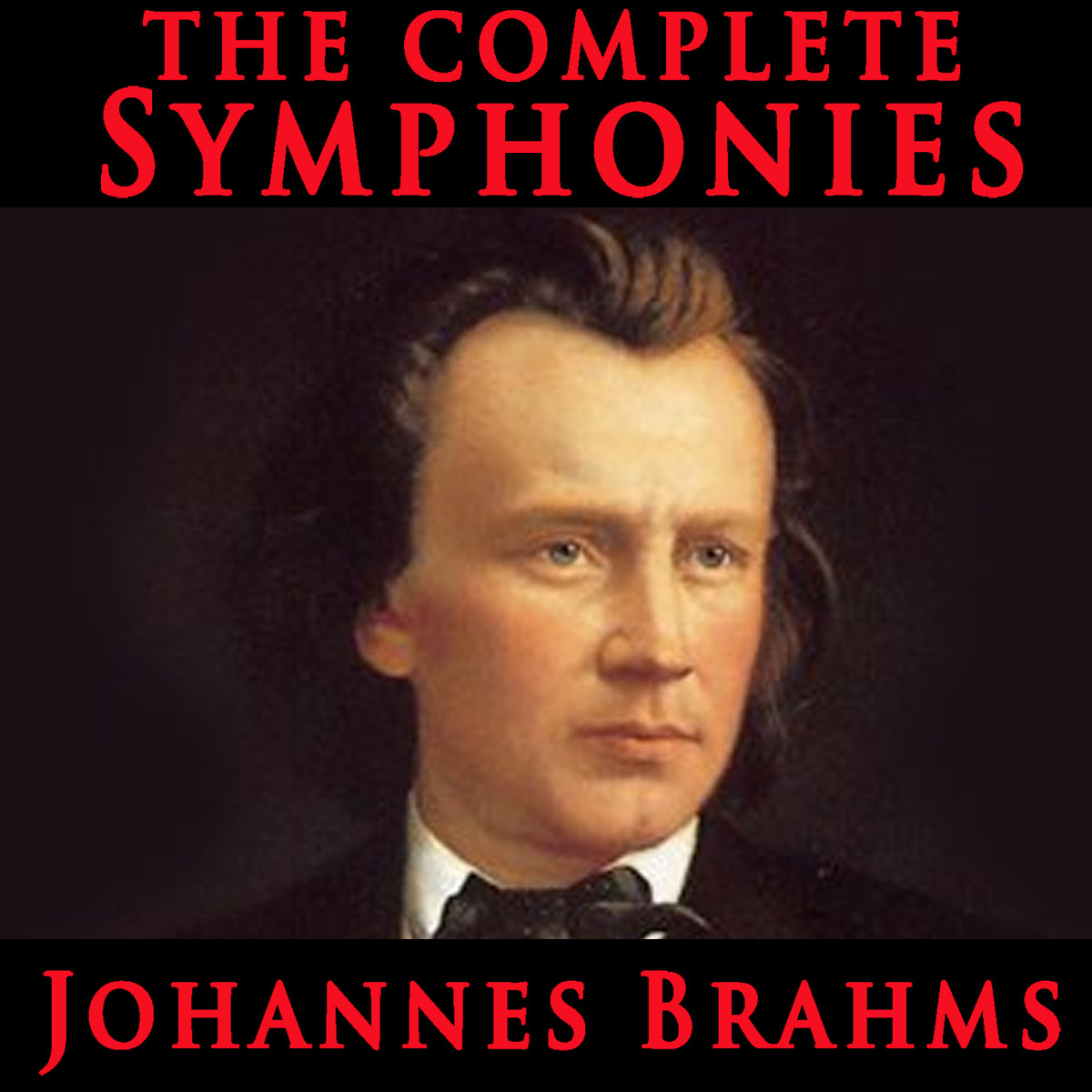
ALBUM NOTESListening to Concierto En Re Mayor Para Violín Y Orquesta, Op. by Johannes Brahms-Concierto En Re Mayor Para Violín Y Orquesta, Op. 77
Album overview
Johannes Brahms' "Concierto En Re Mayor Para Violín Y Orquesta, Op. 77" is one of the most significant works in the violin concerto repertoire, first premiering in 1879. This concerto showcases Brahms' profound understanding of orchestration and his ability to weave intricate melodies. The piece was composed for the virtuoso violinist Joseph Joachim, a close friend of Brahms and a leading figure in the music world of the 19th century. The recording of this concerto has seen numerous interpretations, with various orchestras and soloists bringing their own insights into Brahms' rich textures and emotional depth. The label Deutsche Grammophon has released several acclaimed recordings of this piece, featuring prominent violinists such as Itzhak Perlman and Anne-Sophie Mutter. The concerto consists of three movements: Allegro non troppo, Adagio, and Allegro giocoso, and it blends the romantic expressiveness that characterizes Brahms' work with classical structure. Its cultural significance lies in its pioneering role in the evolution of the concerto form, influencing countless composers who followed. The piece remains a staple in the concert repertoire, resonating with audiences for its lyrical beauty and technical demands.
Review
Brahms’ concerto is a masterful blend of emotional depth and technical brilliance, capturing the essence of the Romantic era. The first movement, Allegro non troppo, opens with a powerful orchestral introduction that sets the stage for the violin’s entry, showcasing a dialogue that is both intricate and intimate. The Adagio offers a lush, lyrical contrast, allowing the solo violin to explore profound, melancholic themes, while the final movement, Allegro giocoso, returns to a spirited and lively character, making the listener feel the exuberance of Brahms’ musical language. The orchestration is rich, with the orchestra providing a robust foundation that complements the violin's soaring lines. The interplay between the soloist and the orchestra is particularly noteworthy, highlighting Brahms' ability to create a cohesive yet dynamic musical conversation. Each recording of this concerto brings its own interpretation, yet the emotional weight and technical demands remain constant, ensuring that it continues to challenge and inspire both performers and audiences alike.
Highlights
- Profound emotional depth in the Adagio movement.
- Exceptional interplay between the violin and orchestra.
- Rich orchestration that enhances the soloist's performance.
Weak points
- The complexity may be daunting for less experienced violinists.
- Some interpretations could lack the necessary emotional intensity.
- Length of the concerto may challenge audience engagement in certain performances.
Overall evaluation
Brahms' "Concierto En Re Mayor Para Violín Y Orquesta, Op. 77" is a cornerstone of the violin repertoire that combines technical mastery with profound emotional expression. Its lasting appeal lies in its ability to resonate with both performers and audiences alike, making it a timeless classic.
Personal rating: 9/10
```