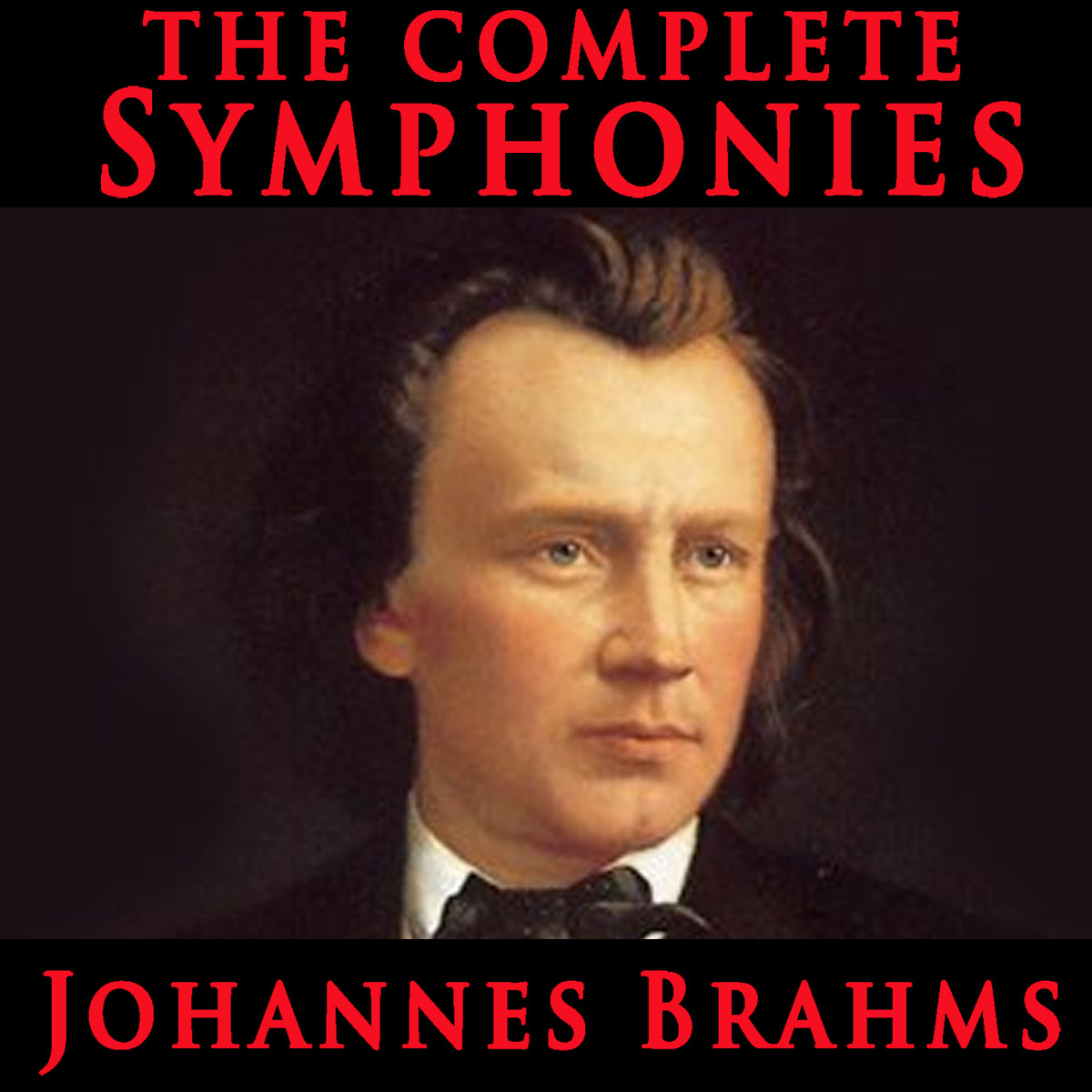
ALBUM NOTESCheck the vibes: Johannes Brahms – Piano Concerto No. 1
Piano Concerto No. 1- Album Overview
Johannes Brahms' Piano Concerto No. 1 in D minor, Op. 15, was composed between 1854 and 1858 and premiered in 1859, performed by the renowned pianist and conductor, Hans von Bülow, with the Weimar court orchestra. This monumental work is among Brahms' earliest orchestral compositions and is characterized by its emotional depth, intricate piano parts, and symphonic structure. The concerto is structured in three movements: Allegro non troppo, Adagio, and Rondo: Allegro non troppo, showcasing Brahms' ability to blend lyrical melodies with complex harmonies.
The recording of this concerto has seen various interpretations over the years, with notable performances by artists such as Arthur Rubinstein, Vladimir Horowitz, and more recently, Lang Lang. The album is often released under various labels, including Deutsche Grammophon and Decca, and continues to be a cornerstone in the classical piano repertoire. The work is not only significant for its technical challenges but also for its role in bridging the Romantic era with the emerging modernist trends, reflecting Brahms' commitment to classical forms while imbuing them with personal emotional expression.
The cultural significance of this concerto is profound, as it reflects Brahms' struggles with both the legacy of Beethoven and the burgeoning Romantic movement. Its rich thematic material and innovative orchestration have inspired countless musicians and composers, ensuring its place in concert halls around the world.
Review
Brahms' Piano Concerto No. 1 is a formidable work that embodies the spirit of Romanticism while also paying homage to classical traditions. The orchestration is lush and dynamic, creating a rich backdrop for the piano, which often takes center stage with its dramatic flourishes and intricate passages. The first movement is particularly striking, opening with a powerful orchestral statement before the piano enters with an impassioned response.
The Adagio serves as a poignant contrast, featuring a lyrical melody that showcases the piano's capacity for tenderness and nuance. Brahms' harmonic exploration is evident throughout, with unexpected modulations and rich textures that keep the listener engaged. The final Rondo movement brings the concerto to a thrilling conclusion, filled with energy and rhythmic drive. The interplay between the piano and orchestra is masterfully executed, reflecting Brahms' deep understanding of both instruments.
Overall, the work stands as a testament to Brahms' genius, revealing his artistic vision and emotional depth.
Highlights
- Rich emotional depth and lyrical beauty in the second movement
- Complex orchestration that enhances the piano's expressive qualities
- Dynamic interplay between soloist and orchestra throughout the concerto
Weak points
- Some may find the first movement overly lengthy and complex
- The technical demands on the pianist can overshadow the orchestral elements for less experienced performers
- Occasional moments of density in orchestration may detract from clarity
Overall evaluation
Brahms' Piano Concerto No. 1 is a monumental work that encapsulates the essence of Romantic piano concertos, balancing technical brilliance with profound emotional expression. Its cultural significance and enduring popularity in the classical canon make it an essential listening experience for any music enthusiast.
Personal rating: 9/10