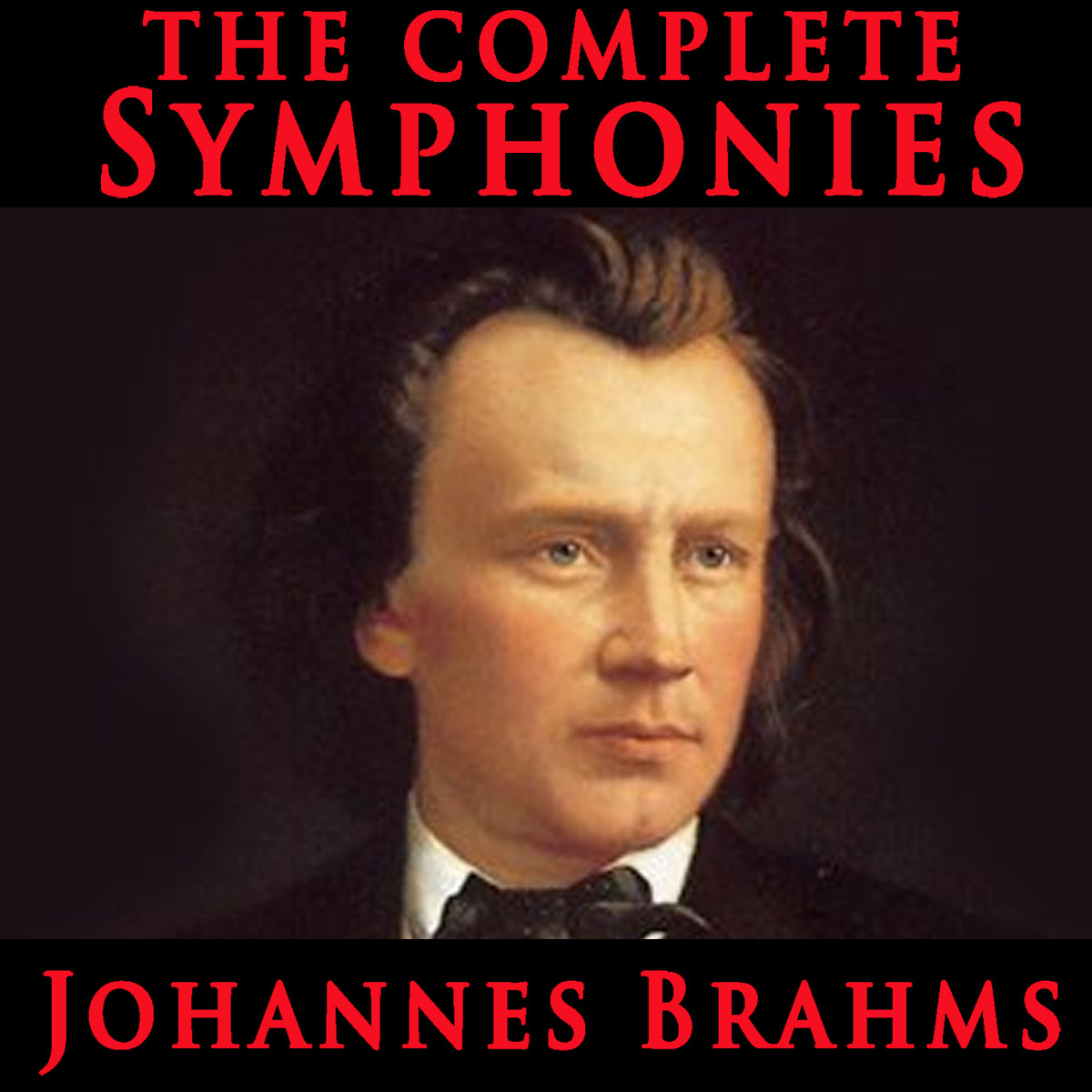
ALBUM NOTESDiving deep into Piano Trio No. 3 / Cello Sonata No. 2 by Johannes Brahms
Piano Trio No. 3 / Cello Sonata No. 2- Album Overview
Johannes Brahms' compositions have long been celebrated as cornerstones of the chamber music repertoire, and the works featured in the album "Piano Trio No. 3 in C Minor, Op. 101" and "Cello Sonata No. 2 in F Major, Op. 99" exemplify his mastery. Released in 2010 by the prominent chamber music label Hyperion Records, this album features the acclaimed Trio Wanderer alongside cellist Marc Coppey. The recording captures the profound emotional depth and intricate textures that characterize Brahms' music, making it a significant contribution to the existing discography of these beloved works.
The Piano Trio No. 3, composed in 1880, is notable for its lush harmonies and rhythmic complexity, reflecting Brahms’ mature style. Meanwhile, the Cello Sonata No. 2, written in 1886, showcases a dialogue between cello and piano that is both intimate and expansive. The album was recorded at the studio of the Église Saint-Étienne in France, which adds a resonant warmth to the sound. The collaboration between the musicians is palpable, bringing forth the nuanced dynamics present in Brahms' writing. These compositions hold cultural significance as they reflect Brahms' response to the Romantic ideals of his time, merging innovation with tradition. The album not only serves as an impressive showcase of technical skill but also as a heartfelt exploration of the human experience through music.
Review
The album "Piano Trio No. 3 / Cello Sonata No. 2" presents a rich listening experience that reveals the depth of Brahms' emotional landscape. The Trio Wanderer and Marc Coppey deliver performances that are both technically proficient and deeply expressive. The interplay between the instruments is masterful, with each musician contributing to the overall dialogue without overshadowing one another. The sound is meticulously balanced, allowing the listener to appreciate the intricate counterpoints and thematic developments that Brahms is known for.
The recording quality is exceptional, capturing the resonant tones of the piano alongside the rich timbre of the cello. The emotional nuances of the works are brought to life through careful phrasing and dynamic contrasts. Brahms' ability to weave melancholy and joy within the same movement is evident in both compositions, and the performers navigate these shifts with grace. The album invites listeners to engage with Brahms' music on a personal level, making it not just a collection of performances, but an exploration of profound human emotions.
Highlights
- The seamless interplay between piano and cello, showcasing musical dialogue.
- Exceptional recording quality that enhances the listening experience.
- Strong emotional depth conveyed through dynamic contrasts and phrasing.
Weak points
- Some listeners may find the emotional weight overwhelming after repeated listens.
- The album may not appeal to those unfamiliar with classical chamber music.
- A lack of additional contextual information on the album's booklet may leave some wanting.
Overall evaluation
In conclusion, "Piano Trio No. 3 / Cello Sonata No. 2" is a remarkable exploration of Brahms' emotional and musical depth, performed by talented musicians who bring these compositions to life. Its high production values and sensitive interpretations make it a must-listen for both seasoned classical enthusiasts and newcomers alike.
Personal rating: 9/10