
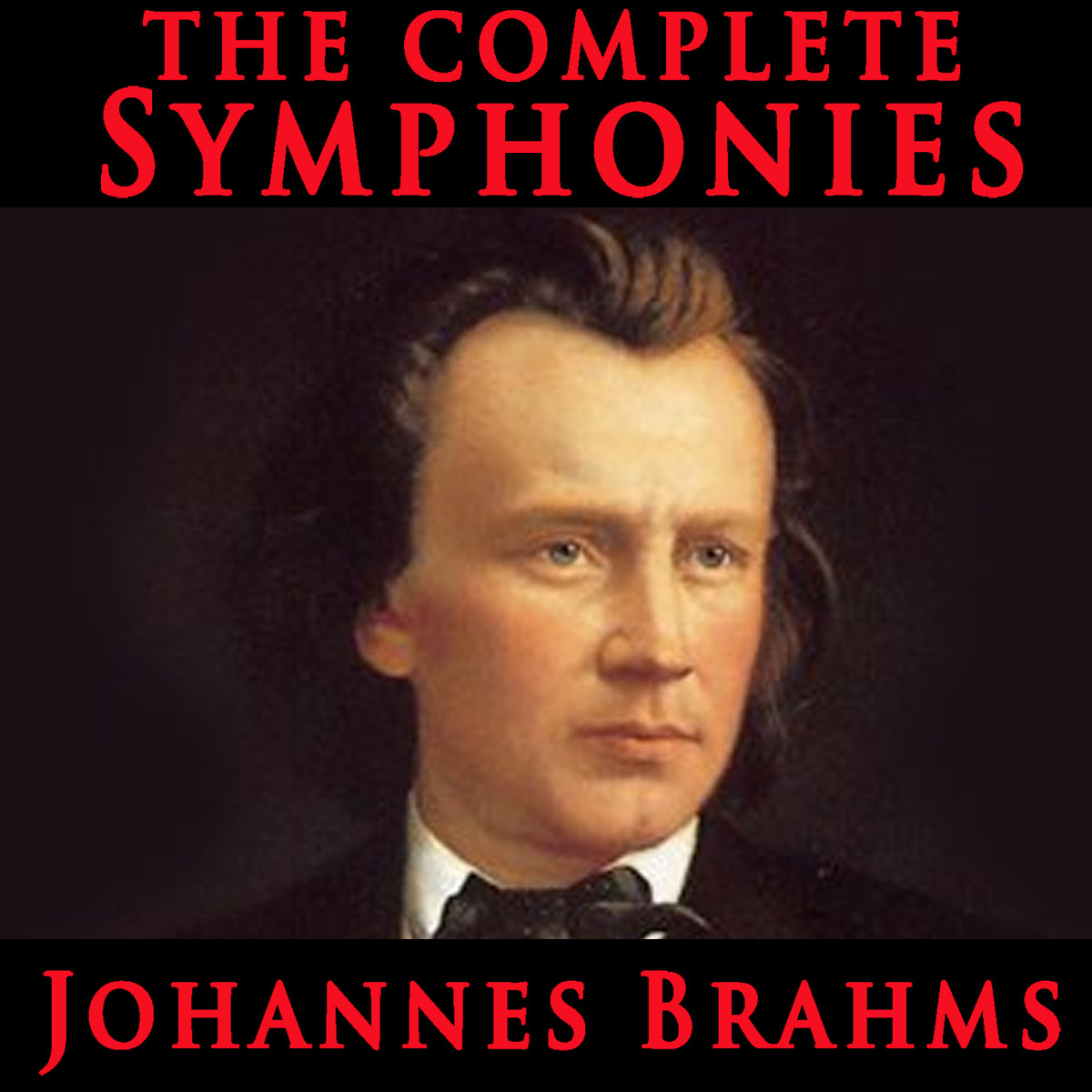
How Johannes Brahms shaped the sound of Clarinet Quintet
Clarinet Quintet- Album Overview
Johannes Brahms' Clarinet Quintet in B minor, Op. 115, is a monumental work in the chamber music repertoire, composed in 1891. This piece was born from the collaboration between Brahms and the renowned clarinetist Richard Mühlfeld, who was instrumental in inspiring Brahms to explore the clarinet's rich tonal palette. The quintet features a unique combination of clarinet with a string quartet, highlighting the instrument's lyrical qualities and emotional depth. The work was published by the renowned music publisher Simrock and has since become a staple in the classical music canon.
Upon its release, Brahms' Clarinet Quintet was received with critical acclaim and has influenced countless musicians and composers. The recording of this quintet has been performed by various esteemed ensembles, including the Budapest String Quartet and the Emerson String Quartet, showcasing the piece's versatility and enduring appeal. The album typically features four movements: Allegro, Adagio, Andantino, and Allegretto, each presenting a beautiful interplay between the clarinet and strings. The piece’s lyrical beauty and intricate harmonies reflect Brahms’ deep understanding of musical form and emotional expression, which has resonated across cultures and generations, solidifying its place in classical music history.
Review
The Clarinet Quintet is a masterclass in the fusion of lyrical melodies and intricate counterpoint, demonstrating Brahms' command over both the clarinet and string instruments. The opening movement, Allegro, sets the tone with a bold and passionate dialogue between the clarinet and strings, while the Adagio showcases an introspective and haunting beauty that draws listeners in. Brahms' ability to evoke a wide spectrum of emotions is particularly evident in the Andantino, where the clarinet's warm timbre contrasts beautifully with the strings, creating a sense of intimacy and reflection. The final movement, Allegretto, brings a lively and spirited energy, rounding out the work with a sense of joy and resolution.
Throughout the piece, Brahms expertly utilizes the clarinet's expressive capabilities, allowing it to sing while also providing a rich tapestry for the string accompaniment. This balance creates a dynamic interplay that keeps the listener engaged, making the Clarinet Quintet not only a significant work in Brahms' oeuvre but also a benchmark for clarinet compositions in general. The clarity of the musical ideas and the depth of emotional resonance make this quintet a must-listen for both classical aficionados and newcomers alike.
Highlights
- Masterful interplay between clarinet and strings, showcasing emotional depth.
- Beautifully crafted melodies that resonate with a wide range of listeners.
- Significant cultural impact, influencing generations of musicians and composers.
Weak points
- The complexity of the piece may be challenging for amateur performers.
- Some listeners may find certain movements slow-paced compared to typical chamber works.
- The niche nature of classical music may limit its audience reach.
Overall evaluation
Johannes Brahms' Clarinet Quintet is a timeless masterpiece that exemplifies the beauty of chamber music. Its emotional depth, intricate melodies, and the unique pairing of clarinet with strings make it a standout work in the classical repertoire. Despite some accessibility challenges, its cultural significance and enduring appeal make it a must-experience for anyone interested in the world of classical music.
Personal rating: 9/10