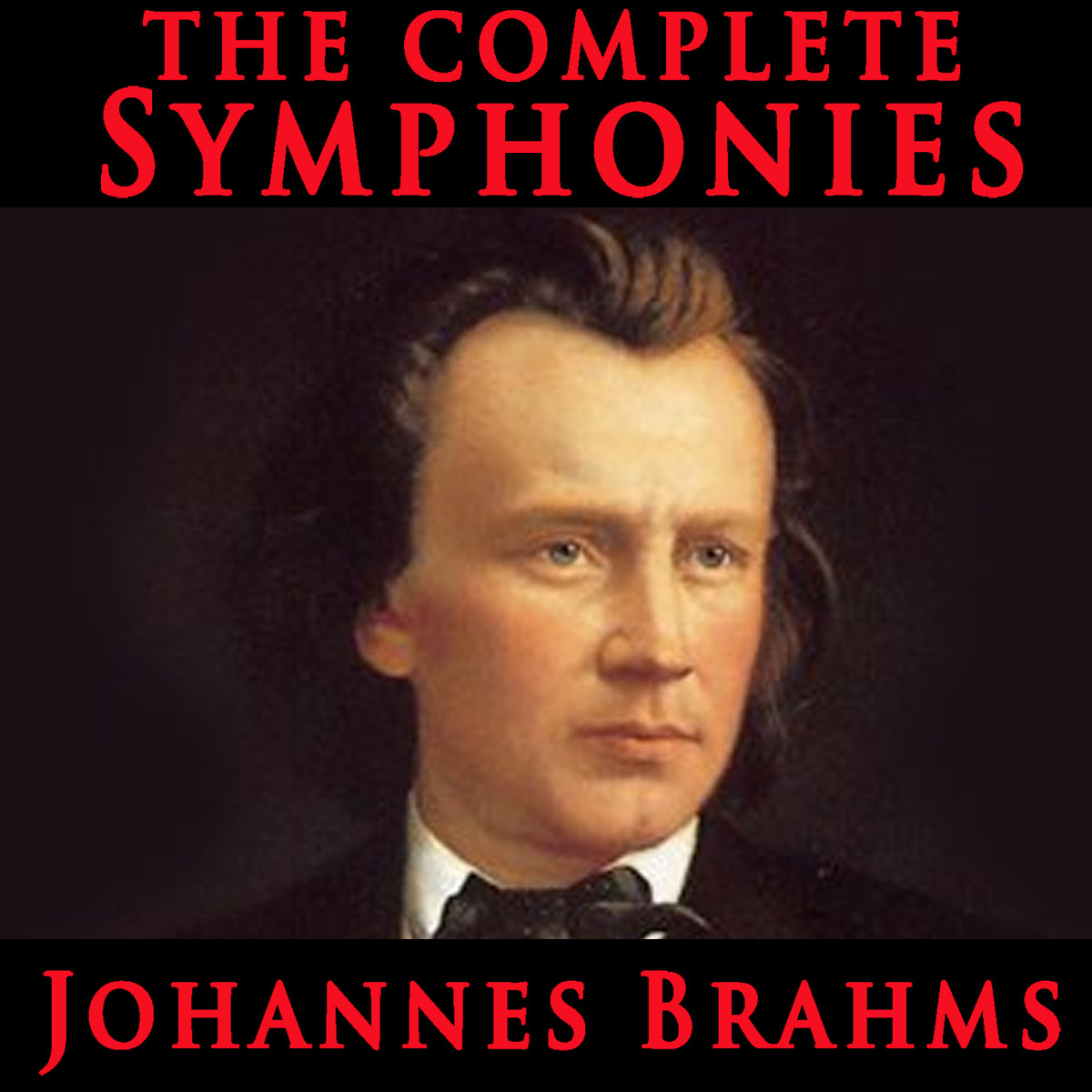
ALBUM NOTESSymphonie Nr. 1 C-moll Op. 68: discovering Johannes Brahms's artistry
Symphonie Nr. 1 C-moll Op. 68- Album Overview
Johannes Brahms's "Symphonie Nr. 1 C-moll Op. 68," completed in 1876, stands as a monumental work in the classical repertoire and a significant milestone in the composer's career. This symphony, released under various labels, including Deutsche Grammophon and Philips, has been recorded by numerous orchestras and conductors, showcasing its timeless appeal. The work emerged after a lengthy gestation period, as Brahms initially struggled with the idea of composing a symphony, feeling the weight of the legacy left by Beethoven. The symphony is notable for its rich orchestration, emotional depth, and structural innovation.
The first performance took place in Karlsruhe, conducted by the composer himself, marking a pivotal moment in the symphonic tradition. The work is divided into four movements: Un poco sostenuto – Allegro, Andante sostenuto, Allegretto grazioso, and Allegro con spirito. Each movement highlights Brahms's ability to blend traditional forms with his distinct melodic and harmonic language. The symphony is often characterized by its dramatic contrasts, lyrical passages, and a sense of heroic struggle. In its orchestral texture, Brahms harnesses the power of the full orchestra while maintaining a keen sense of detail, making this symphony a staple for both orchestras and audiences alike.
Culturally, Brahms's first symphony represents a bridge between the Romantic and Classical traditions, embodying the tensions and aspirations of the late 19th century. Its themes of struggle and triumph resonate deeply, making it a reflection of the human experience. The symphony's significance is further emphasized by its frequent performances and recordings, ensuring that it remains a vital part of the concert repertoire worldwide.
Review
Brahms's "Symphonie Nr. 1 C-moll Op. 68" is a masterclass in orchestration and emotional storytelling. The opening movement captures listeners with its dramatic intensity, setting the tone for the entire symphony. The use of motifs and thematic development is particularly striking; Brahms expertly weaves together contrasting ideas to create a cohesive narrative arc. The second movement, Andante sostenuto, offers a moment of introspection and beauty, showcasing Brahms's lyricism. This balance between tension and resolution is a hallmark of Brahms’s artistry.
The third movement, with its charmingly lighter character, provides a delightful contrast, while the finale bursts forth with energy and resolve, culminating in a triumphant conclusion that feels both earned and profound. The symphony’s emotional depth is matched by its technical prowess, allowing performers to showcase their virtuosity while engaging with the work's rich layers of meaning. Brahms’s ability to evoke a range of emotions—from melancholy to exuberance—makes this symphony not just a listening experience, but a deeply moving journey.
Highlights
- Rich orchestration that balances power and subtlety.
- Memorable themes that resonate with emotional depth.
- A perfect blend of classical structure and romantic expressiveness.
Weak points
- Some listeners may find the first movement's length challenging.
- The emotional weight may overshadow lighter moments for certain audiences.
- Occasional complexities in the orchestral texture could be overwhelming for novice listeners.
Overall evaluation
Brahms's "Symphonie Nr. 1" captures the essence of the Romantic symphonic form while standing out as a unique voice in classical music. Its intricate interplay of themes and emotional landscapes makes it an essential listen for any classical music enthusiast.
Personal rating: 9/10