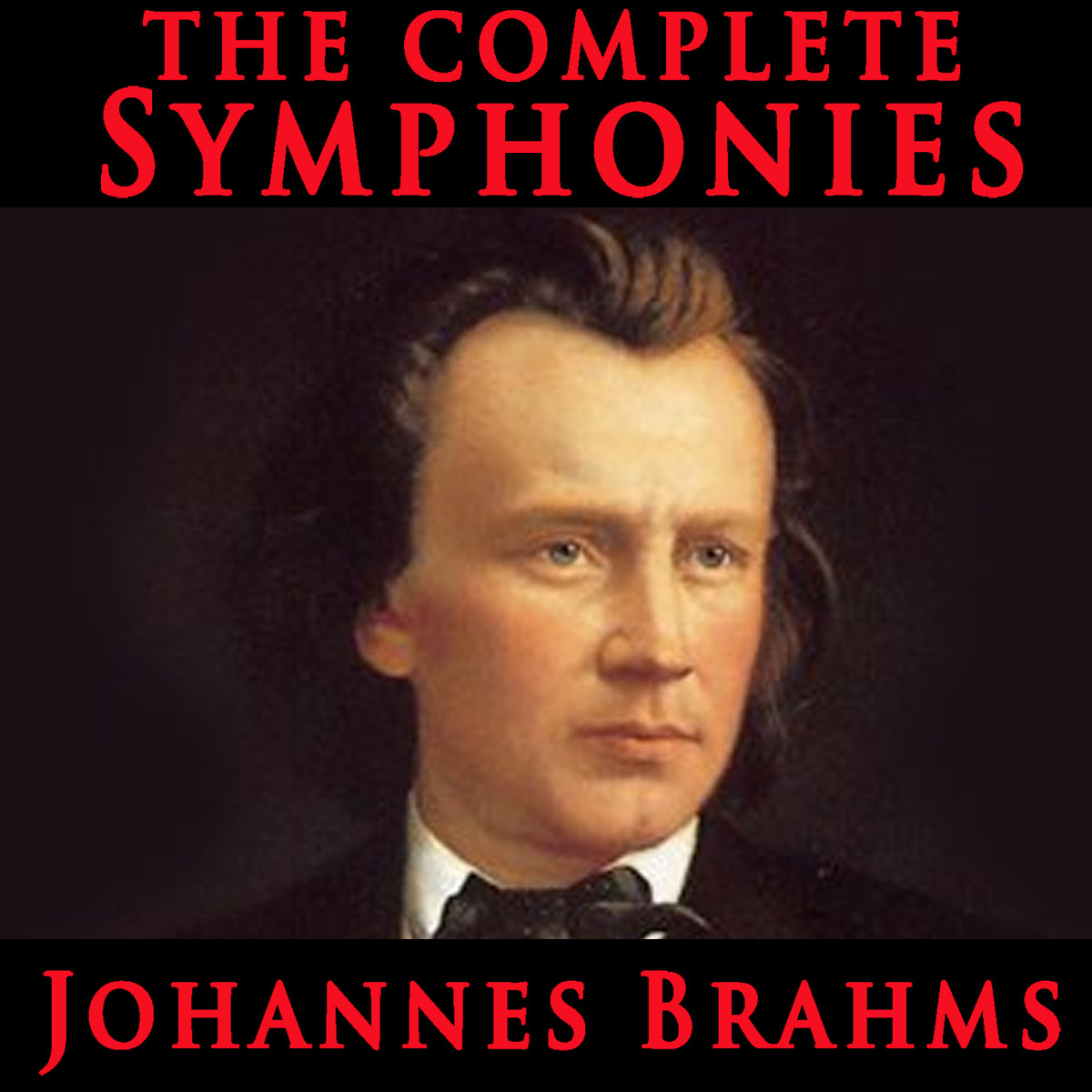
ALBUM NOTESListening to Klarinettenquintett H-moll by Johannes Brahms
Klarinettenquintett H-moll- Album Overview
The "Klarinettenquintett H-moll," or Clarinet Quintet in B minor, Op. 115, by Johannes Brahms was composed in 1891 and is one of the last chamber works completed by the composer. Originally written for clarinet and string quartet, this piece is a hallmark of the Romantic chamber music repertoire. Brahms was inspired to write this composition after hearing the clarinetist Richard Mühlfeld, whose exceptional artistry prompted Brahms to return to composition after a period of relative silence. The quintet was first performed privately at the home of a friend and subsequently published by Simrock in 1892.
This recording features a stellar ensemble, typically including clarinet, two violins, viola, and cello, bringing together the rich textures and emotional depth of Brahms's late style. The album has been released under various labels, including Deutsche Grammophon and others, with multiple interpretations available from distinguished ensembles. The work is characterized by its lyrical melodies, complex harmonies, and the interplay between the clarinet and strings, showcasing a profound understanding of each instrument’s capabilities. The quintet is divided into five movements, each exploring different emotional landscapes, from the melancholic to the exuberant.
Culturally, Brahms's Clarinet Quintet holds significant weight as it reflects the transitional period of late Romanticism, bridging the gap between traditional forms and modern expressions. It has influenced countless musicians and composers, illustrating the clarinet's potential as a lead voice in chamber music.
Review
Brahms's "Klarinettenquintett H-moll" is a stunning example of chamber music that masterfully balances complexity and accessibility. The piece begins with a hauntingly beautiful Allegro and traverses various emotional terrains, showcasing Brahms's lyrical prowess. The interplay between the clarinet and strings creates a dialogue that is both intimate and grand, allowing each instrument to shine while maintaining a cohesive sound.
The second movement, "Adagio," is particularly noteworthy for its lush harmonies and the clarinet's soaring melodies, evoking a sense of longing and reflection. The subsequent movements exhibit Brahms's skill in developing themes and motifs, resulting in a work that feels both spontaneous and meticulously crafted. Overall, the quintet encapsulates Brahms's deep understanding of the human experience, with its moments of joy and sorrow resonating powerfully with listeners.
Highlights
- The lyrical and expressive qualities of the clarinet throughout the piece.
- The seamless interplay between the clarinet and string instruments.
- The emotional depth and complexity of the musical themes.
Weak points
- The slower movements may not appeal to listeners seeking more dynamic compositions.
- Performances can vary; some interpretations may lack the necessary emotional weight.
- The piece's length may deter casual listeners unfamiliar with classical chamber music.
Overall evaluation
Brahms's "Klarinettenquintett H-moll" is a masterful exploration of sound and emotion, solidifying its place in the chamber music canon. Its nuanced interplay and emotional resonance offer a rich listening experience that rewards repeated hearings.
Personal rating: 9/10