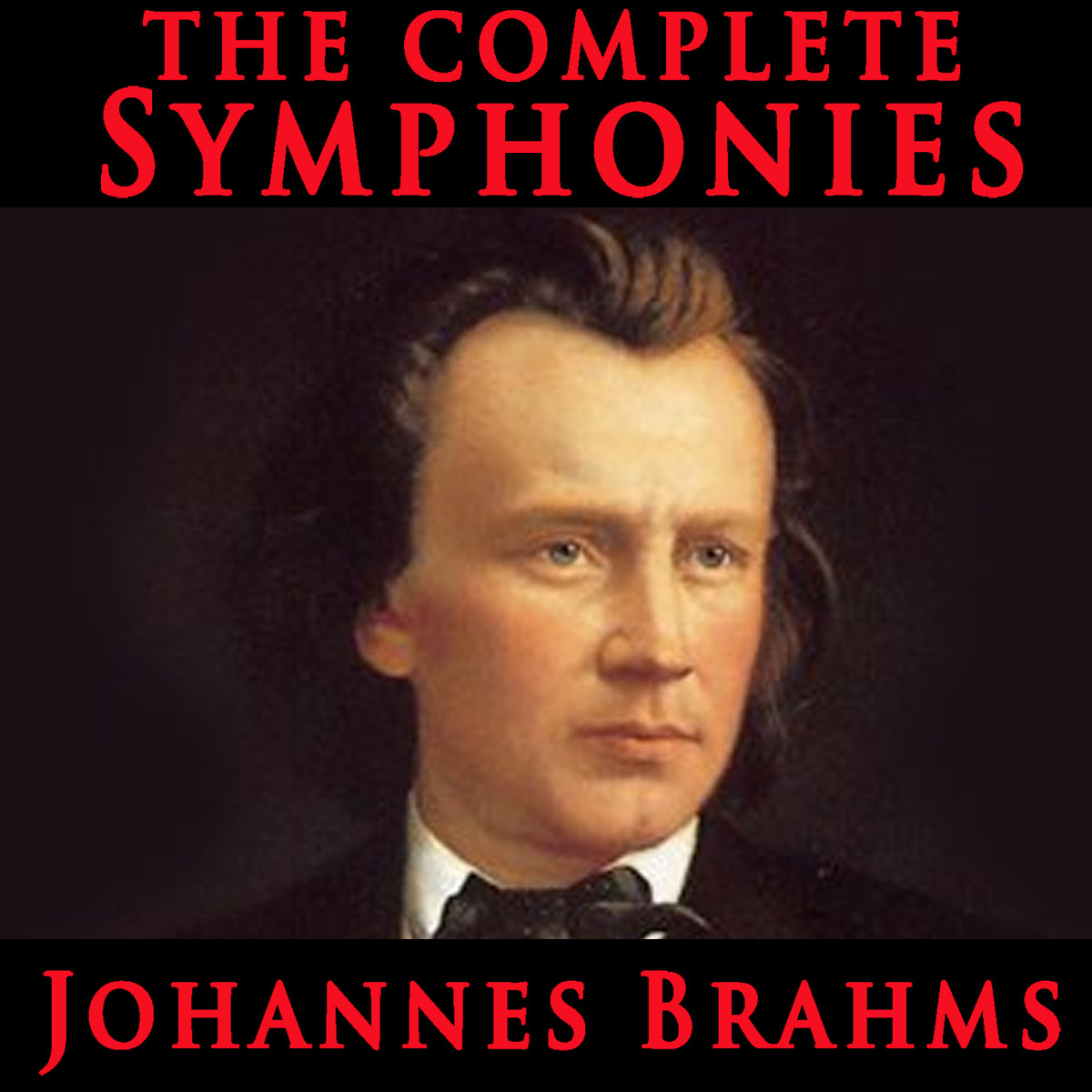
ALBUM NOTESInside the atmosphere of Johannes Brahms's Violin Concerto
Violin Concerto- Album Overview
Johannes Brahms's Violin Concerto in D major, Op. 77, was composed in 1878 and remains one of the cornerstone works in the violin repertoire. The concerto was commissioned by the renowned violinist Joseph Joachim, who was not only a close friend of Brahms but also played a significant role in shaping the work. The concerto was premiered by Joachim in Leipzig on January 1, 1879, and has since been performed by countless artists across the globe.
The piece is structured in three movements: Allegro non troppo, Adagio, and Allegro giocoso, and features a rich orchestral texture that complements the violin’s lyrical and technical demands. Brahms's meticulous orchestration allows for a dialogue between the soloist and the orchestra, creating an interplay that is both intimate and grand. The recording of this masterpiece has been undertaken by various esteemed labels, with Deutsche Grammophon often being recognized for its high-quality classical recordings.
Notable recordings of the Violin Concerto include performances by legendary violinists such as Itzhak Perlman, Anne-Sophie Mutter, and Hilary Hahn, each bringing their unique interpretations to the work. The concerto's significance extends beyond its technical prowess; it is celebrated for its emotional depth and thematic richness, reflecting Brahms's profound understanding of the violin as an instrument capable of conveying a wide range of human experience. The piece continues to inspire and challenge violinists to this day, ensuring its place in the canon of classical music.
Review
Brahms's Violin Concerto is a masterful fusion of lyrical beauty and technical virtuosity. The opening movement, Allegro non troppo, sets a grand tone with its sweeping melodies and robust orchestral support. The violin enters with a soaring theme that showcases the instrument's expressive capabilities, while Brahms's intricate orchestration provides a lush backdrop. The Adagio is a poignant contrast, allowing the violin to explore a more introspective and soulful character, with the orchestra gently supporting the soloist's emotional journey.
The final movement, Allegro giocoso, encapsulates a sense of joy and exuberance, combining rhythmic vitality with melodic invention. Brahms's ability to weave complex motifs into a cohesive whole is evident throughout the concerto, and each note is imbued with a sense of purpose and meaning. The recording captures the nuances of each performance, highlighting the interplay between the solo violin and the orchestra, while also showcasing the individual artistry of the performers involved.
Highlights
- Rich orchestral textures that enhance the solo violin.
- Emotionally resonant melodies that showcase the violin's capabilities.
- A balanced interplay between the soloist and the orchestra, creating a dynamic listening experience.
Weak points
- The length of the concerto may be daunting for some listeners.
- Some interpretations may lack the required emotional depth.
- The complexity of the piece can overshadow its melodic charm in certain performances.
Overall evaluation
Brahms's Violin Concerto is an essential work that masterfully blends lyrical beauty with technical prowess. It remains a vital part of the classical repertoire, celebrated for its depth and complexity. Each performance offers a unique interpretation, ensuring that the concerto continues to resonate with audiences and performers alike.
Personal rating: 9/10