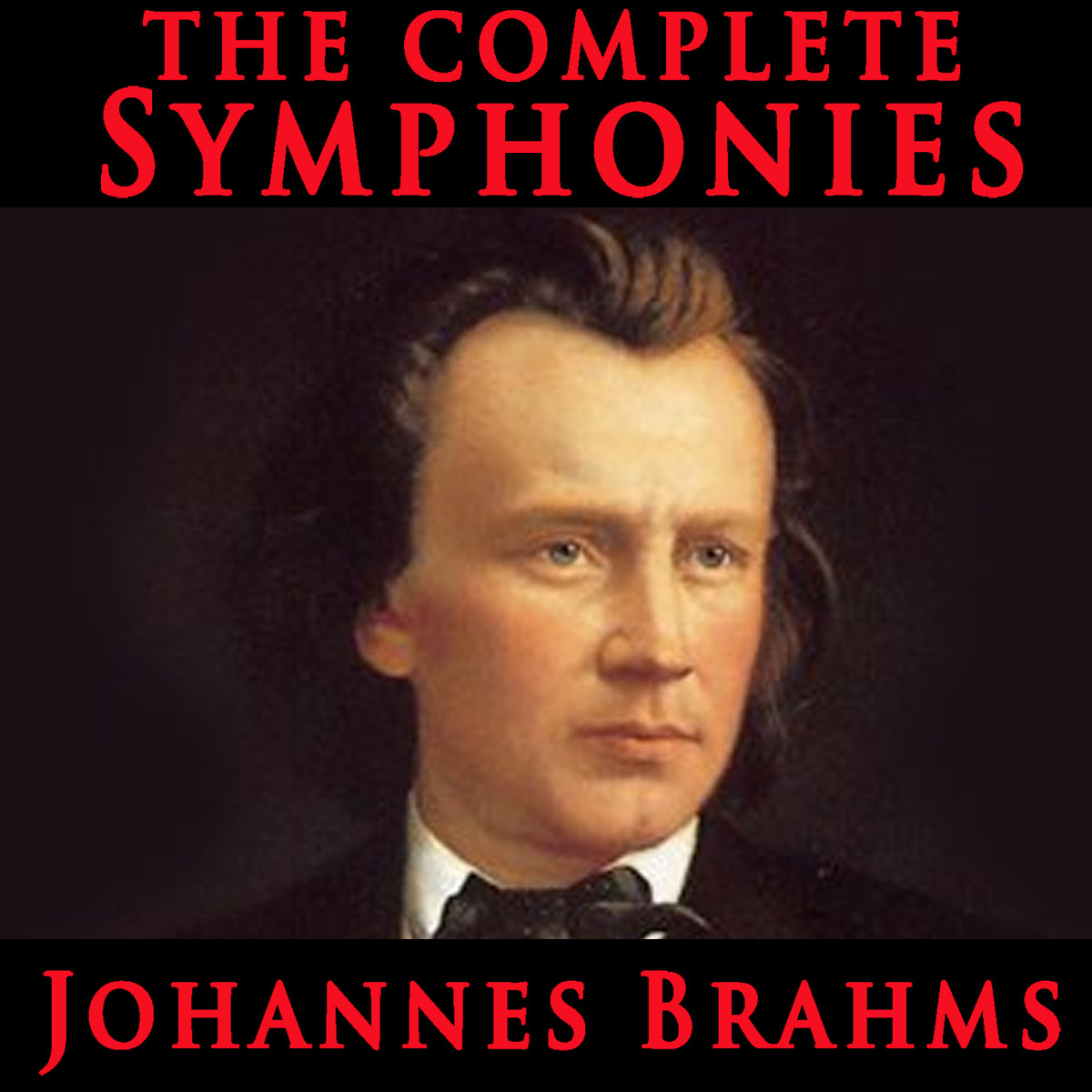
ALBUM NOTESListening guide: Johannes Brahms's Violin Sonatas, Op. 78, Op. 100, Op. 108
Violin Sonatas, Op. 78, Op. 100, Op. 108- Album Overview
Johannes Brahms's Violin Sonatas, Op. 78, Op. 100, Op. 108, are seminal works in the chamber music repertoire, showcasing the composer’s rich harmonic language and profound emotional depth. These sonatas were composed during the late 19th century, with Op. 78 dating back to 1878, Op. 100 from 1886, and Op. 108 in 1888. Each piece reflects a unique blend of lyrical beauty and structural complexity, hallmarks of Brahms's style.
The album is often recorded and interpreted by various artists, but one notable recording features the acclaimed violinist Itzhak Perlman and pianist Emanuel Ax, released in 1995 on the Deutsche Grammophon label. Their collaboration brings a fresh perspective to Brahms's intricate dialogues between violin and piano, emphasizing both the vigor and tenderness found in these sonatas.
Each sonata tells its own story, with Op. 78 often regarded for its rich emotional tapestry and themes of longing, while Op. 100 exhibits a more genial character, combining folk-like melodies with Brahms's signature depth. Op. 108 concludes the series with a sense of resolution and maturity, reflecting Brahms's evolution as a composer.
The cultural significance of these works cannot be overstated; they not only solidify Brahms's status within the classical canon but also influence generations of violinists and composers who admire his mastery of form and expression. The sonatas are frequently performed in concert halls and remain a staple in the repertoire for both students and seasoned musicians alike, showcasing the enduring legacy of Brahms's artistry.
Review
The album featuring Brahms's Violin Sonatas is a compelling exploration of the emotional and technical challenges inherent in the works. Perlman’s playing is characterized by its warmth and lyrical phrasing, breathing life into the intricate melodies that Brahms crafted. The interplay between violin and piano is masterfully executed, with Ax providing a supportive yet dynamic piano accompaniment that enhances the overall texture of the pieces.
The sound quality is exquisite, capturing the nuances of both instruments with clarity and richness. Each sonata unfolds with a sense of drama and intimacy, drawing listeners into the heart of Brahms's musical narrative. Perlman’s virtuosic technique is on full display, yet it is his interpretative depth that truly resonates, allowing the emotional weight of Brahms's compositions to shine through.
Overall, the album not only showcases Brahms's genius but also highlights the exceptional artistry of its performers, making it a must-listen for both classical aficionados and newcomers to the genre.
Highlights
- Exceptional interplay between violin and piano, showcasing both instruments' strengths.
- Lyrical and emotive performances that bring Brahms's music to life.
- High-quality sound production, enhancing the listening experience.
Weak points
- Some listeners may find the slower tempos in certain movements challenging.
- Occasional moments of overdramatic interpretation that may not resonate with all audiences.
- The album may lack the variety of a larger chamber music collection.
Overall evaluation
This album stands as a vital representation of Brahms's violin sonatas, offering both technical brilliance and emotional depth. It is a rewarding experience for anyone interested in classical music.
Personal rating: 9/10