
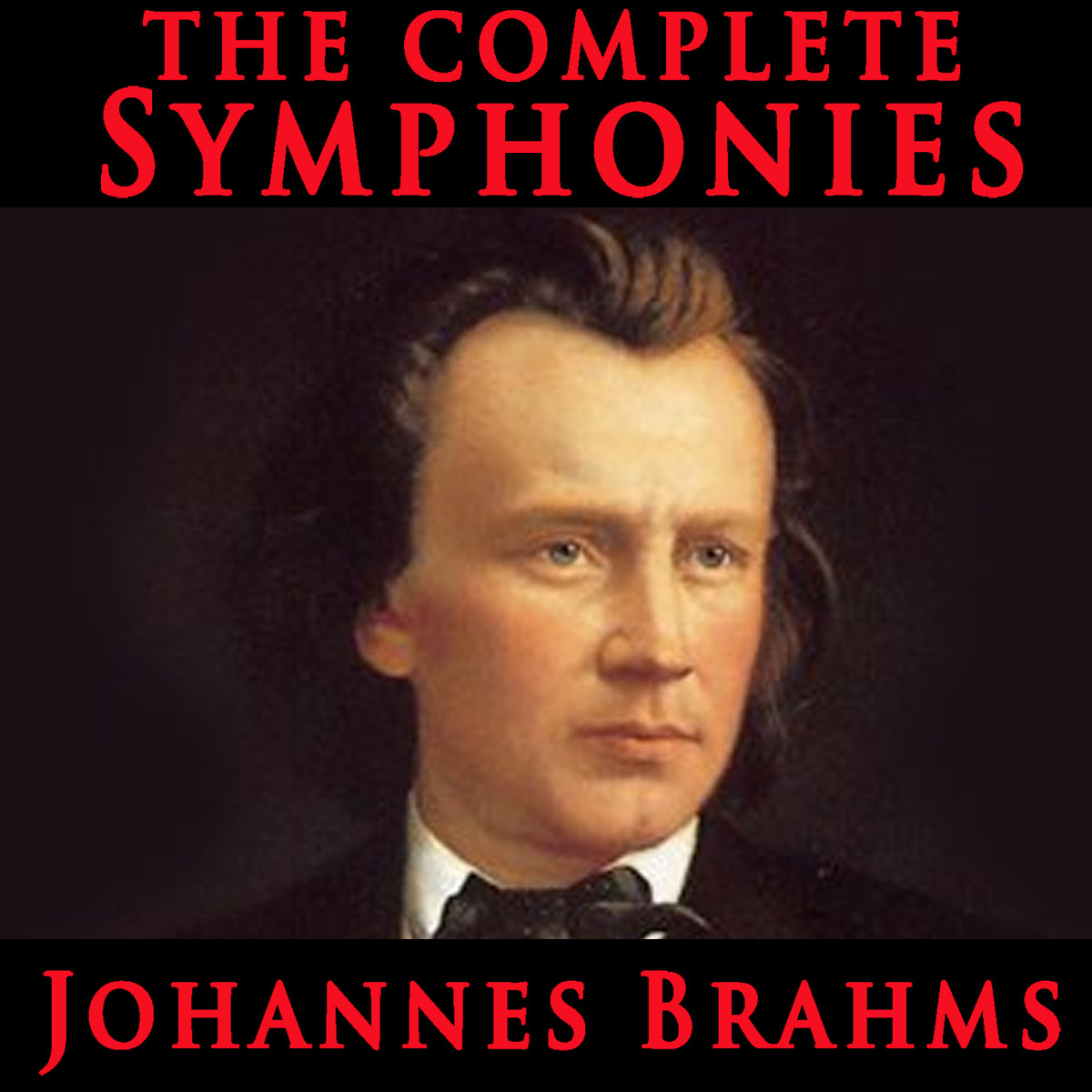
Konzert Für Violine Und Orchester D-dur Op. 77: the next chapter for Johannes Brahms
Konzert Für Violine Und Orchester D-dur Op. 77- Album Overview
Released in 1879, Johannes Brahms' "Konzert Für Violine Und Orchester D-dur Op. 77" is a cornerstone of the violin repertoire and a significant milestone in the composer's oeuvre. The piece was commissioned by the renowned violinist Joseph Joachim, a close friend of Brahms, which added a layer of personal connection to its creation. Brahms poured his heart and soul into this concerto, which is characterized by its lush orchestration and intricate interplay between the violin and the orchestra.
The concerto is structured in three movements: Allegro non troppo, Adagio, and Allegro giocoso. Each movement showcases Brahms' skill in blending the solo violin with orchestral forces, creating a dialogue that is both intimate and grand. The work was recorded multiple times, with notable interpretations by violinists such as Itzhak Perlman and Anne-Sophie Mutter, each bringing their unique flair to the piece. This concerto has been released under various labels, including Deutsche Grammophon and RCA Victor, reflecting its enduring popularity.
The piece's premiere took place in 1888, conducted by the composer himself, and has since become a staple in concert repertoires worldwide. Its combination of lyrical beauty and technical demands has made it both a favorite among audiences and a challenge for performers. The cultural significance of this work lies not only in its musical innovation but also in its role in establishing Brahms as a leading figure in the Romantic era, bridging the gap between classical traditions and modern sensibilities.
Review
Brahms' "Konzert Für Violine Und Orchester D-dur Op. 77" is a masterclass in emotional depth and technical prowess. The opening movement, Allegro non troppo, immediately captivates with its sweeping melodies and complex rhythms, showcasing the violinist's virtuosity while maintaining a perfect balance with the orchestra. The Adagio offers a poignant contrast, with its lyrical lines that evoke deep introspection, allowing the soloist to explore the full emotional range of the instrument. The final movement, Allegro giocoso, bursts forth with exuberance, leaving listeners exhilarated.
The interplay between the solo violin and the orchestra is particularly noteworthy, as Brahms expertly weaves together the two elements to create a cohesive narrative. While the concerto does not include lyrics, its musical storytelling resonates with audiences, making it an emotional journey that transcends words. Overall, Brahms' artistic vision in this work represents a significant evolution from his earlier compositions, showcasing his growth as a composer and his ability to push the boundaries of classical music.
Highlights
- Rich orchestration that complements the violin beautifully.
- Emotional depth across all three movements.
- A perfect blend of technical demands and lyrical expression.
Weak points
- The complexity may be daunting for novice listeners.
- Some may find the Adagio too slow compared to the other movements.
- The length of the concerto may be challenging for listeners with shorter attention spans.
Overall evaluation
"Konzert Für Violine Und Orchester D-dur Op. 77" is a timeless masterpiece that showcases Brahms at his finest. Its intricate compositions and emotional resonance solidify its place as a pivotal work in the violin repertoire. Whether you are an avid classical music enthusiast or a newcomer to Brahms' works, this concerto offers a rich listening experience that is both rewarding and profound.
Personal rating: 9/10