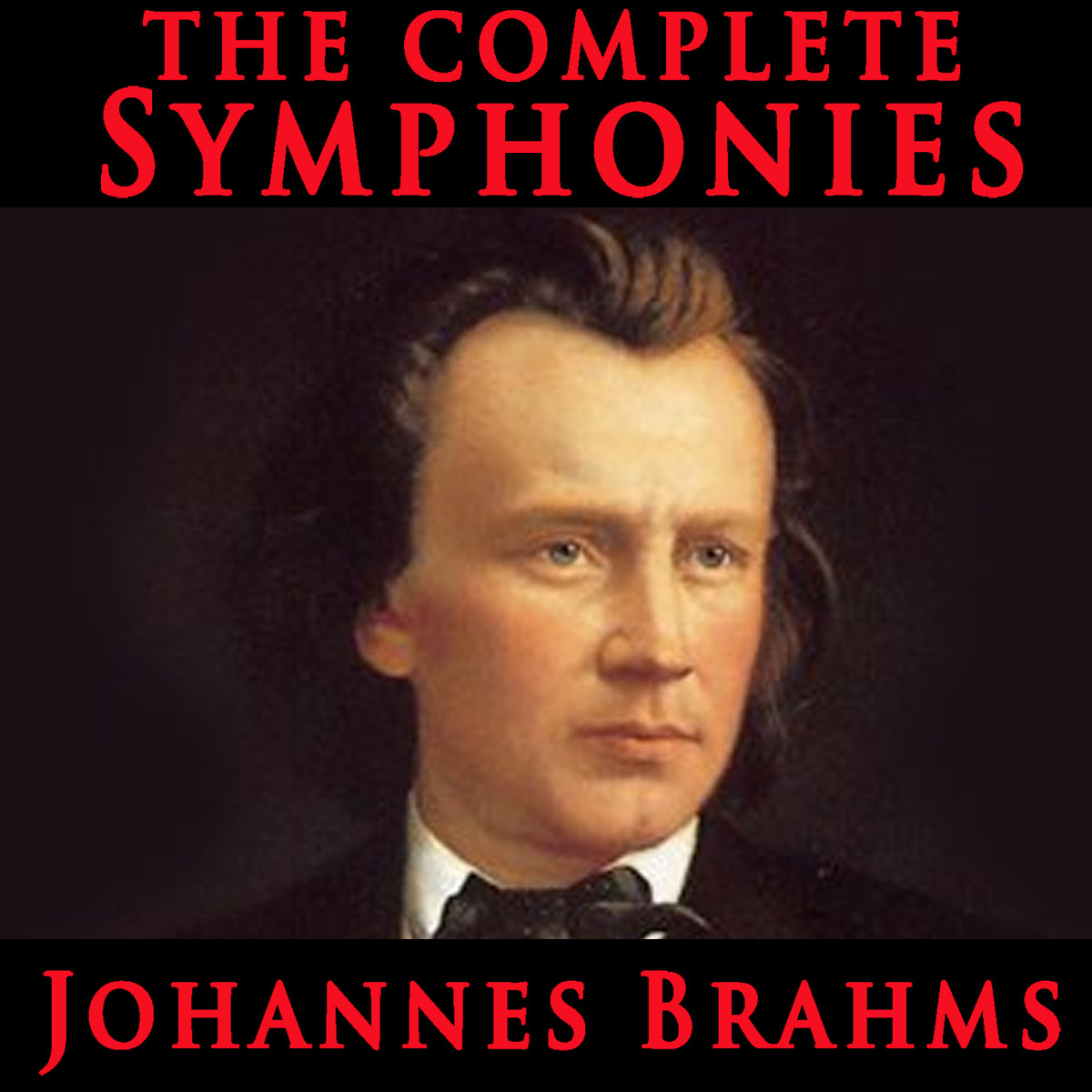
ALBUM NOTESAlbum spotlight: Johannes Brahms-Piano Concerto no. 1 in D minor, op. 15 – Piano Concerto no. 1 in D minor, op. 15
Album overview
Johannes Brahms’ "Piano Concerto No. 1 in D minor, Op. 15" was composed between 1854 and 1858 and is one of the seminal works in the piano concerto repertoire. The concerto was first performed in 1859 with Brahms himself at the piano, conducted by the esteemed conductor and composer, Hermann Levi. This work is characterized by its dramatic contrasts and profound emotional depth, blending the virtuosic demands of the piano with orchestral richness.
The concerto is structured in three movements: the Allegro non troppo, the Adagio, and the Rondo: Allegro non troppo. The work showcases Brahms' innovative approach to form and harmony, foreshadowing the Romantic era's evolution. The concerto reflects Brahms' influences from Beethoven, yet it encapsulates his unique voice and lyrical sensibility.
Over the years, the concerto has been recorded by numerous renowned artists, including Emil Gilels, Arthur Rubinstein, and more recently, Daniil Trifonov. It remains a staple in concert halls worldwide, celebrated for its technical challenges and emotional resonance. The album featuring this concerto has likely been released under various labels, with interpretations varying widely. The cultural significance of this work cannot be overstated, as it represents a pivotal moment in the evolution of the piano concerto, embodying both personal and universal themes.
Review
Brahms' "Piano Concerto No. 1" is a powerful testament to the capabilities of the piano as both a solo instrument and as part of a larger orchestral fabric. The concerto opens with a thunderous orchestral introduction that sets the stage for the piano's grand entrance. The interplay between the piano and orchestra is masterfully crafted, showcasing Brahms' ability to balance the two forces while allowing for deep emotional expression.
The lyrical quality of the Adagio is particularly striking, offering a moment of introspection amidst the tempestuous nature of the other movements. The Rondo finale brings a spirited and vigorous conclusion, demanding technical precision and expressive playing from the pianist. Each movement is rich in thematic material, and Brahms’ use of motifs creates a cohesive narrative throughout the work.
The album captures not only the technical prowess required to perform this concerto but also the emotional depth that Brahms intended. It is a celebratory yet introspective journey, making it a favorite among both performers and audiences alike.
Highlights
- Powerful orchestration that complements the piano beautifully.
- Deep emotional resonance, particularly in the Adagio movement.
- Technical brilliance required from the soloist, showcasing the piano's capabilities.
Weak points
- The complexity of the score may be challenging for less experienced pianists.
- Some listeners may find the length of the concerto daunting.
- The orchestral parts can sometimes overshadow the piano if not balanced correctly in performance.
Overall evaluation
Brahms' "Piano Concerto No. 1 in D minor, Op. 15" remains a monumental piece in the classical piano repertoire due to its emotional depth and technical demands. It is a work that continues to inspire and challenge musicians while captivating audiences with its rich tapestry of sound.
Personal rating: 9/10
```