
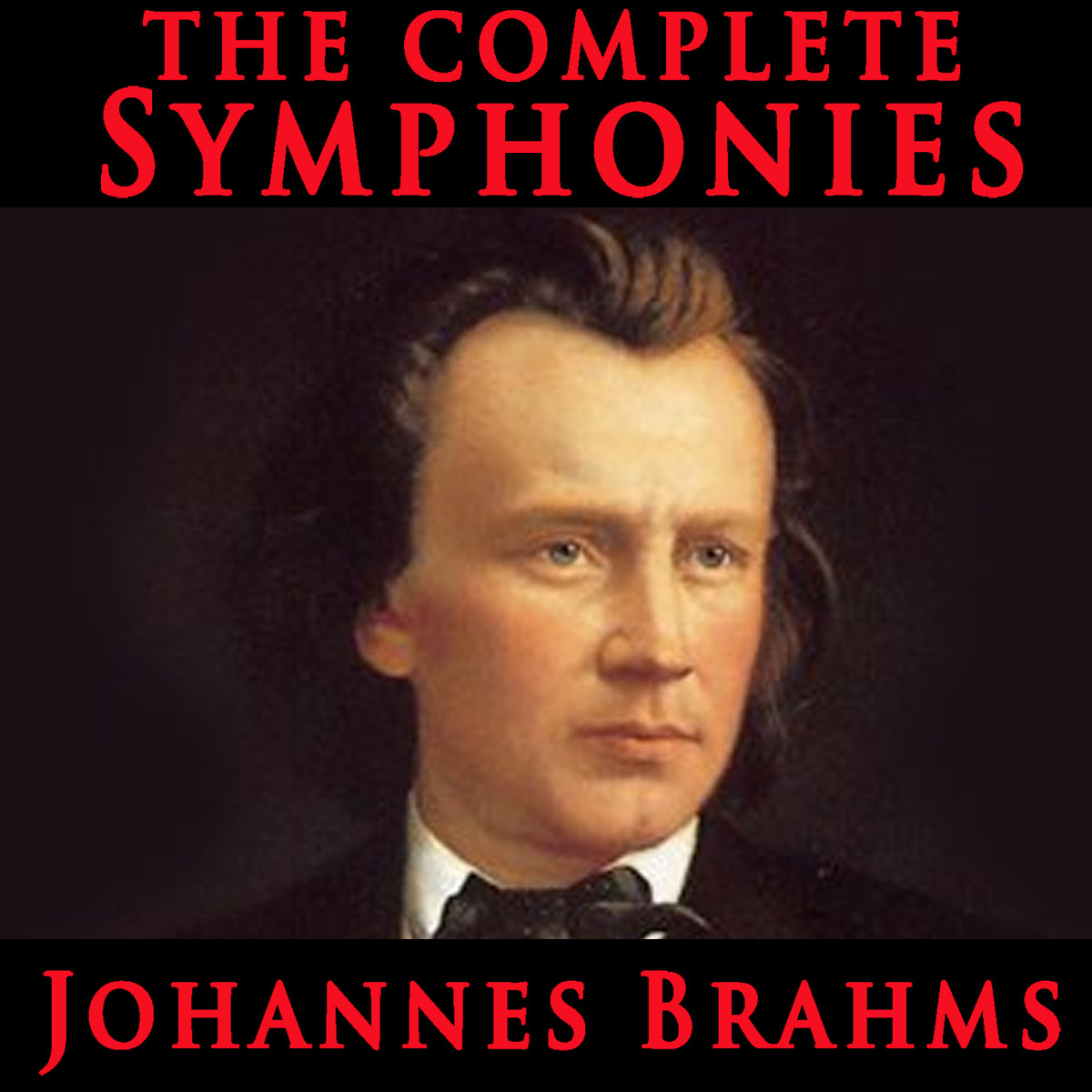
Lieder: the story Johannes Brahms wants to tell
Lieder- Album Overview
Johannes Brahms’ "Lieder," a remarkable collection of art songs, represents a significant contribution to the Lied genre. The album, released in various formats since the 19th century, primarily consists of Brahms’ compositions for voice and piano, showcasing his mastery of melody and lyrical depth. Historically, Brahms created more than 200 songs, many of which were published between 1860 and 1890, capturing the romantic spirit of the period while also reflecting his complex emotional landscape. The album includes well-known works such as "Liebeslieder Walzer," a set of waltzes that intertwine love and longing, and the poignant "Vier ernste Gesänge," which explores themes of mortality and introspection.
The original recordings of these Lieder have been reinterpreted by numerous artists and ensembles, each bringing their unique flair to Brahms’ intricate harmonies and expressive texts. The album features collaborations with prominent singers and pianists who have dedicated their careers to bringing Brahms’ songs to life, contributing to their enduring popularity. The recordings, often released under major classical labels like Deutsche Grammophon and Harmonia Mundi, highlight the ongoing relevance of Brahms’ work in both concert settings and recordings. Brahms’ Lieder stand as a testament to his ability to fuse poetic language and musical form, resonating with audiences around the world and influencing generations of composers.
Review
The sound of Brahms' "Lieder" is rich and evocative, characterized by its lyrical melodies paired with intricate piano accompaniments. The emotional weight of the songs is palpable, as Brahms expertly navigates the delicate balance between the voice and piano, allowing both to shine in their own right. Lyrically, the songs often draw from the works of renowned poets such as Goethe and Eichendorff, adding a layer of literary depth that enhances the listening experience. Brahms’ ability to convey profound emotions through seemingly simple musical phrases is one of the hallmarks of his genius. His Lieder not only tell individual stories of love, loss, and longing but also reflect the broader cultural currents of the Romantic era. The artistic vision behind these works illustrates Brahms’ desire to connect deeply with the human experience, making them timeless and relatable.
Highlights
- Rich, evocative melodies that linger in the mind long after listening.
- Masterful interplay between voice and piano, showcasing Brahms' compositional skill.
- Emotional depth reflected in both the lyrics and musical expression.
Weak points
- Some listeners may find the complexity of the piano arrangements overwhelming.
- The emotional intensity might not appeal to those preferring lighter fare.
- Limited accessibility for audiences unfamiliar with classical music traditions.
Overall evaluation
Johannes Brahms' "Lieder" is a profound artistic achievement that continues to resonate with audiences today. Its intricate melodies and deep emotional currents offer a rich listening experience for anyone willing to dive into the world of classical art songs.
Personal rating: 9/10