
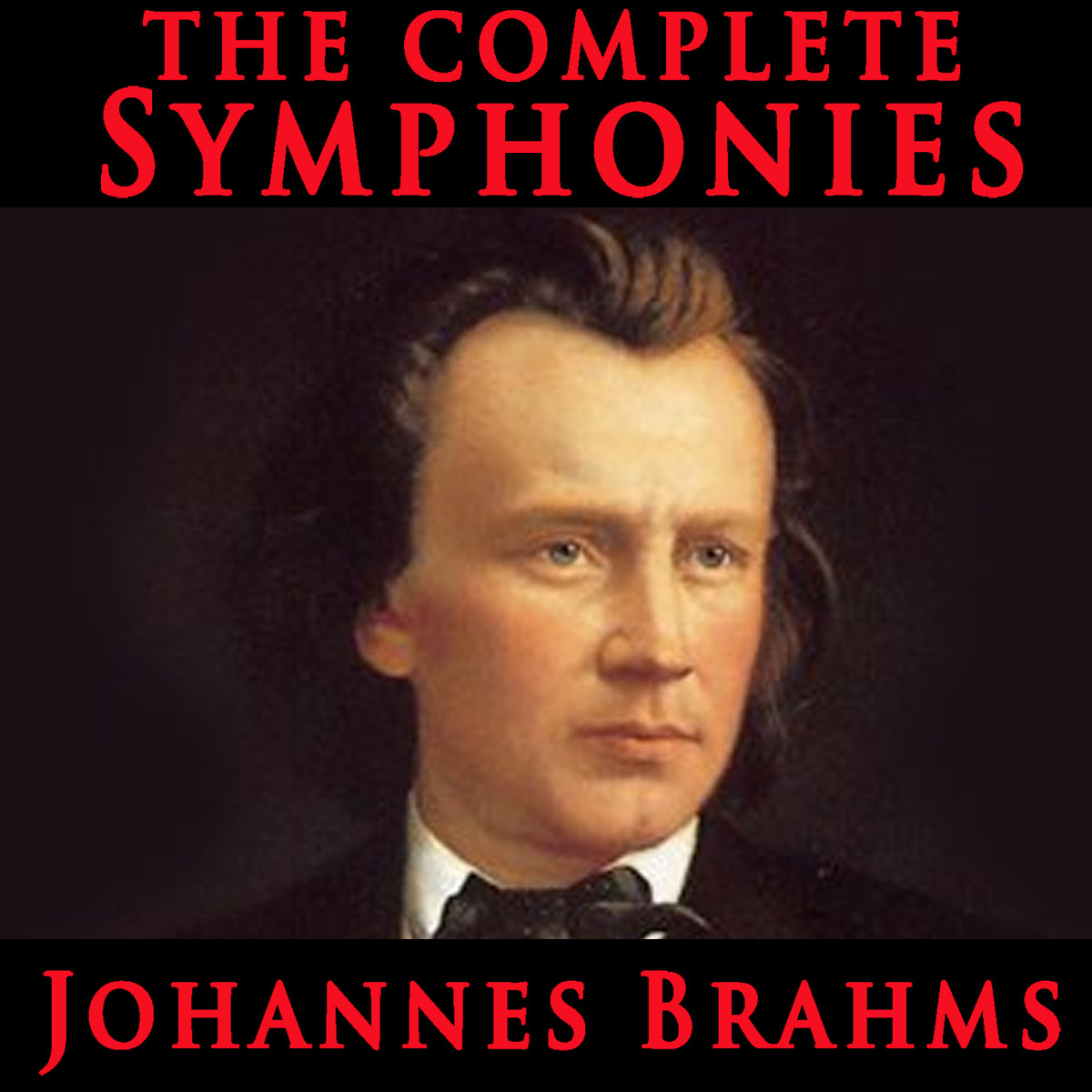
Exploring the sound of Johannes Brahms: Concerto No. 2
Concerto No. 2- Album Overview
Johannes Brahms' "Piano Concerto No. 2 in B-flat major, Op. 83" was completed in 1881 and is widely recognized as one of the cornerstones of the Romantic piano repertoire. This concerto stands out not only for its grandeur and complexity but also for its innovative structure, which includes four movements as opposed to the conventional three. The work is characterized by its lush orchestration, rich harmonies, and the deep emotional resonance typical of Brahms' compositions. The concerto was premiered by the renowned pianist and conductor Hans von Bülow, with Brahms himself at the piano, which contributed to its immediate acclaim. The piece was released under various labels, with numerous recordings available, reflecting its ongoing popularity among musicians and audiences alike.
The recording quality of modern interpretations often showcases the intricacies of Brahms' orchestration, allowing listeners to appreciate the dialogue between the piano and the orchestra. Collaborators on various recordings have included esteemed orchestras and conductors such as the Berlin Philharmonic, Vienna Philharmonic, and conductors like Leonard Bernstein and Gustavo Dudamel. The cultural significance of this work lies not only in its musical complexity but also in its reflection of Brahms' ongoing dialogue with classical traditions, blending them with Romantic expressiveness. Individual tracks from the concerto, particularly the second movement, often receive attention for their lyrical beauty and emotional depth, making them favorites in concert repertoires.
Review
The "Piano Concerto No. 2" is an extraordinary showcase of Brahms' genius, marked by a balance of lyrical melodies and intricate contrapuntal textures. The first movement, with its broad orchestral introduction, sets the stage for the piano's entrance, which is both commanding and nuanced. Throughout the concerto, Brahms expertly weaves together moments of introspection with passages of exuberance, showcasing the piano's capabilities while maintaining a cohesive orchestral sound. The second movement, "Allegro appassionato," stands out as a deeply emotional exploration, presenting a striking contrast to the more vigorous outer movements. Brahms' ability to evoke a wide range of emotions, from melancholy to joy, is truly remarkable. The concerto's final movement, with its spirited themes, encapsulates the vibrant energy that Brahms is celebrated for, making it a thrilling conclusion to an already captivating work.
Highlights
- Rich emotional depth showcased throughout the movements.
- Innovative four-movement structure that enhances its complexity.
- Outstanding dialogue between piano and orchestra, highlighting Brahms' mastery.
Weak points
- Some may find the length of the concerto daunting compared to shorter works.
- The complexity might be challenging for casual listeners to fully appreciate.
- Occasional orchestral passages can overshadow the piano in certain interpretations.
Overall evaluation
"Piano Concerto No. 2" remains a monumental work in the concert repertoire, exemplifying Brahms' ability to blend classical rigor with Romantic expression. Its rich textures and emotional breadth make it a timeless favorite among both musicians and audiences. The concerto is a testament to Brahms' innovative spirit and lasting influence on the music world.
Personal rating: 9/10