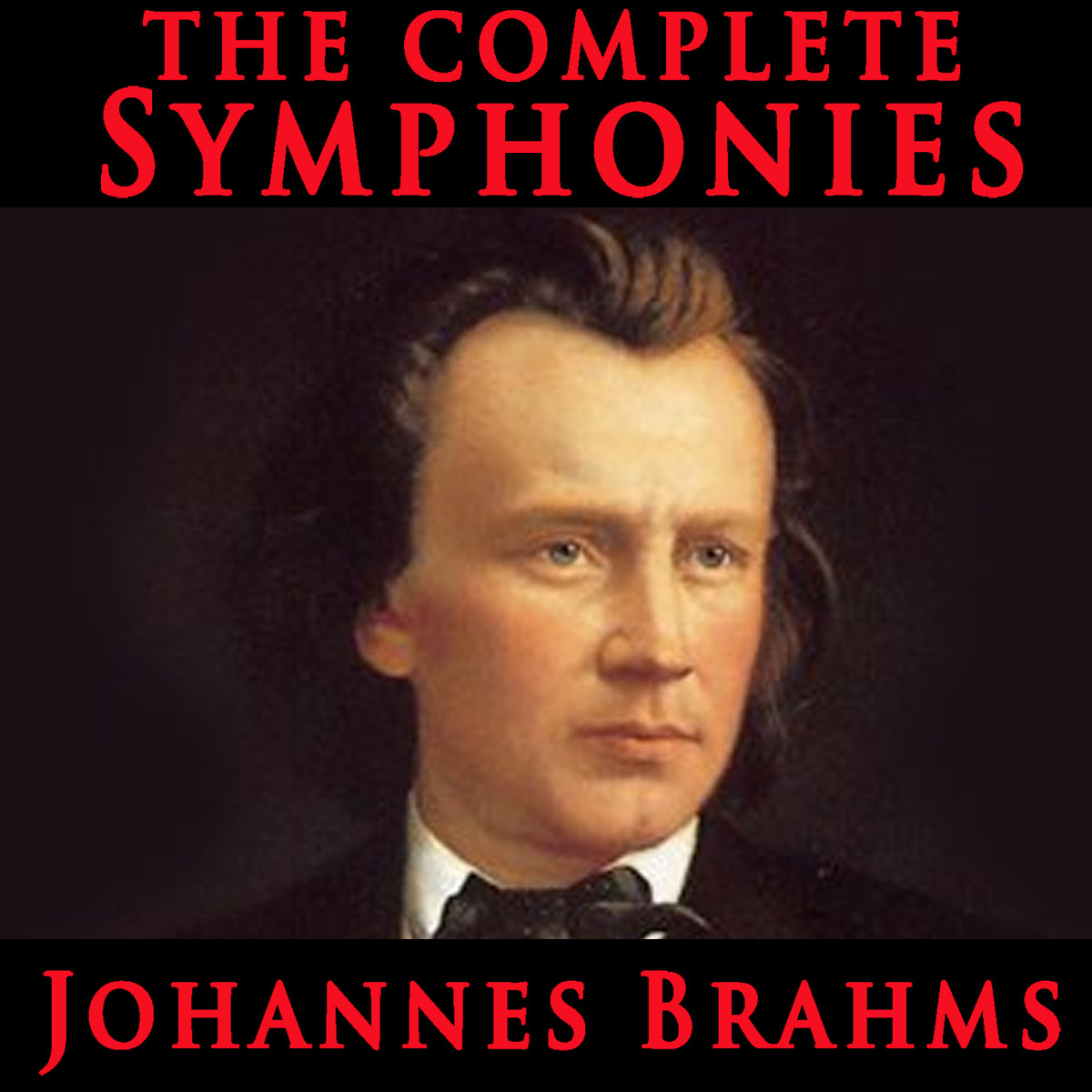
ALBUM NOTESOne week with 21 Hungarian Dances / Waltzes Op. 39: thoughts on Johannes Brahms
21 Hungarian Dances / Waltzes Op. 39- Album Overview
The "21 Hungarian Dances," officially known as "Ungarische Tänze," are a collection of lively dance melodies by Johannes Brahms, first published in 1869. This captivating album showcases Brahms' ability to blend classical music with folk influences, reflecting the rich cultural tapestry of Hungary. The dances were arranged for piano four hands and later orchestrated, making them accessible to a wider audience while retaining their original charm. The album is often associated with the Deutsche Grammophon label, which has released numerous recordings of these works featuring various artists.
Brahms was inspired by the Hungarian gypsy music he encountered during his travels and interactions with violinist Ede Reményi, leading to a series of pieces that are both vibrant and deeply expressive. The collection includes pieces like "No. 1 in G minor" and "No. 5 in F minor," which have become staples in the classical repertoire. The dances reflect a lively spirit and are characterized by their rhythmic vitality and emotional depth. Over the years, these works have been recorded by numerous artists, including renowned pianists and orchestras, making them integral to the classical canon. The album not only highlights Brahms' genius in transforming folk motifs into sophisticated music but also celebrates the cultural significance of Hungarian folk traditions.
Review
The "21 Hungarian Dances" are a testament to Brahms' remarkable ability to fuse classical composition with the exuberance of folk music. Each dance offers a unique auditory experience, from the playful and lively to the poignant and reflective. The rhythmic complexity and melodic charm of the pieces transport listeners to a vibrant ballroom where the energy of Hungarian culture is palpable. The orchestral arrangements bring an added layer of richness, emphasizing the dynamic interplay between instruments.
Brahms' artistic vision shines through in the way he captures the essence of folk dance while elevating it to a concert hall standard. The music is replete with contrasts, such as quick tempo changes and sudden dynamic shifts, which keep the listener engaged. While the melodies are often straightforward, Brahms’ intricate harmonies and orchestration elevate them, revealing a depth that goes beyond mere entertainment. The emotional range of the dances also showcases Brahms’ understanding of the human experience, making each piece resonate on a personal level.
Highlights
- Vibrant melodies that capture the essence of Hungarian folk music.
- Dynamic orchestration that enhances the emotional depth of the pieces.
- Rhythmic complexity that keeps the listener engaged throughout the album.
Weak points
- Some may find the simplicity of certain melodies repetitive over time.
- The album primarily focuses on dance forms, which might not appeal to those seeking more varied classical compositions.
- The reliance on folk themes may limit the album's accessibility to listeners unfamiliar with the genre.
Overall evaluation
The "21 Hungarian Dances / Waltzes Op. 39" is a vibrant celebration of folk-inspired classical music that showcases Brahms' genius. With its rich melodies and dynamic arrangements, the album offers an engaging listening experience that resonates with both classical enthusiasts and casual listeners. While it may not appeal to everyone due to its folk roots, the album remains a pivotal work in Brahms' repertoire and a delightful exploration of Hungarian musical traditions.
Personal rating: 8/10