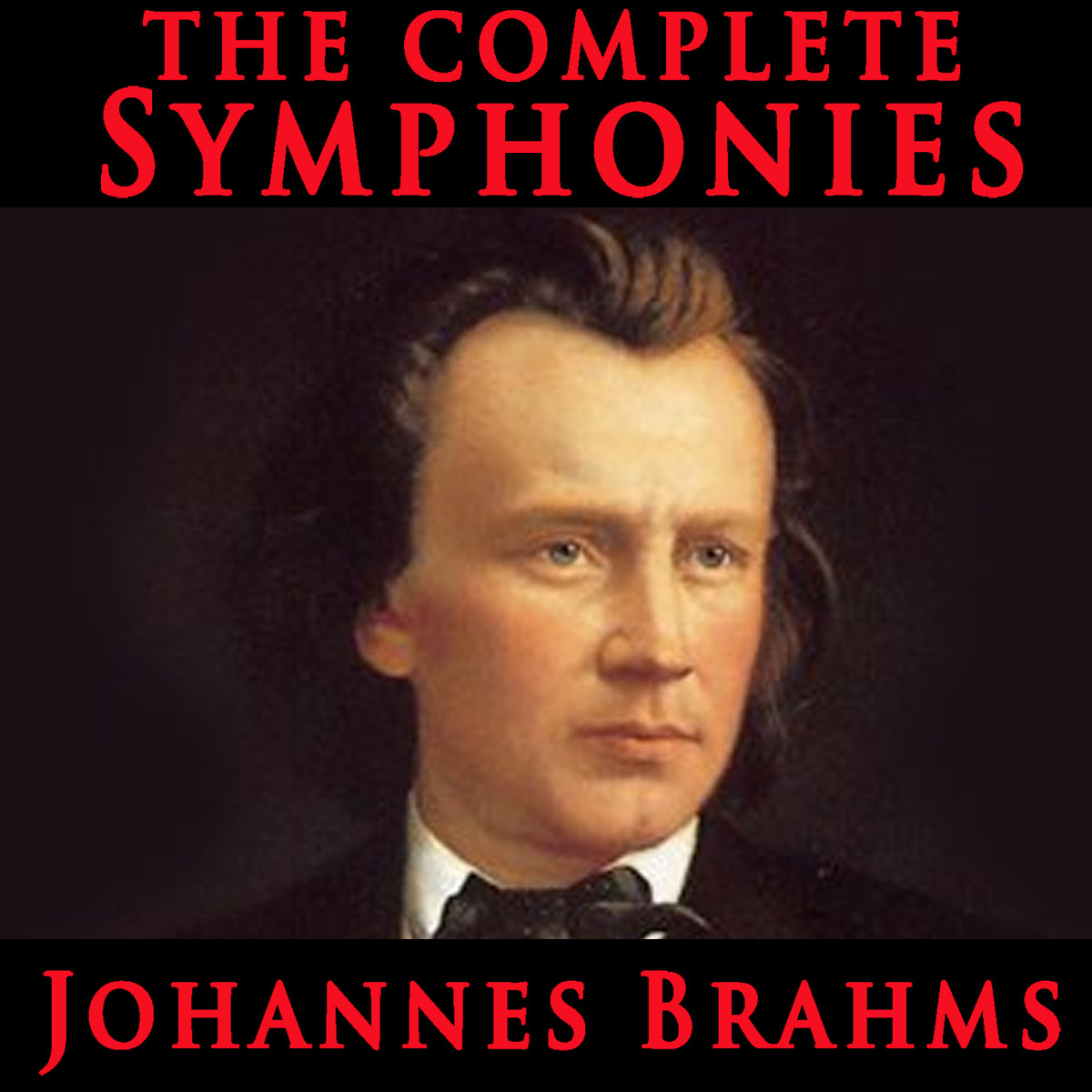
ALBUM NOTESThe evolution of Johannes Brahms-Symphony no. 1 in C minor, op. 68 / Variations on a Theme by Hay in Symphony no. 1 in C minor, op. 68 / Variations on
Album overview
Johannes Brahms's "Symphony No. 1 in C minor, Op. 68" was composed between 1855 and 1876, a long gestation period that reflects the composer's meticulous crafting of his symphonic voice. The symphony debuted in 1876, conducted by the composer himself, and was released on various labels, notably Deutsche Grammophon and EMI Classics. This work is often lauded for its rich orchestration, harmonic depth, and the emotional weight it carries, marking Brahms as a master of late Romanticism. The "Variations on a Theme by Haydn, Op. 56a" also featured in this album showcases Brahms's ability to weave complex textures and themes through variations, demonstrating his respect for classical forms while infusing them with his unique romantic sensibility. Collaborators on recordings of this symphony have included esteemed conductors like Herbert von Karajan and Leonard Bernstein, contributing to its enduring legacy. The album's significance extends beyond its musical content, it represents a bridge between the Classical traditions of composers like Haydn and the burgeoning Romantic ideals that Brahms embodied.
Review
Brahms's "Symphony No. 1" unfolds with an intensity that captures the listener from the very first notes. The work’s opening is marked by a brooding yet majestic motif that carries throughout the symphony, integral to its character and emotional landscape. The intricate interplay between strings and woodwinds creates a rich tapestry of sound, where each instrument is allowed to shine while contributing to the overall harmony. The second movement, marked "Andante sostenuto," offers a lyrical respite, with its flowing melodies showcasing Brahms's gift for lyricism, while the final movement bursts forth with triumph and resolution. The "Variations on a Theme by Haydn" reveals Brahms's playful side, transforming a simple theme into a multi-faceted work of art. The critical evaluation of this album highlights Brahms's balance of structure and emotion, showing how he honors classical forms while infusing them with a profound sense of modernity.
Highlights
- Rich orchestration that showcases Brahms's mastery of instrumental colors.
- Emotional depth and thematic development in both the symphony and variations.
- Significant cultural impact, bridging classical and romantic musical traditions.
Weak points
- Some listeners may find the symphony’s length demanding.
- Occasional complexity can alienate casual listeners unfamiliar with classical music.
- Limited accessibility for those without exposure to Brahms’s style or the historical context.
Overall evaluation
Overall, this album encapsulates a pivotal moment in the evolution of orchestral music, reflecting Brahms's ability to innovate while honoring classical traditions. His "Symphony No. 1" and "Variations on a Theme by Haydn" are not only a testament to his genius but also a cornerstone of the symphonic repertoire.
Personal rating: 9/10
```