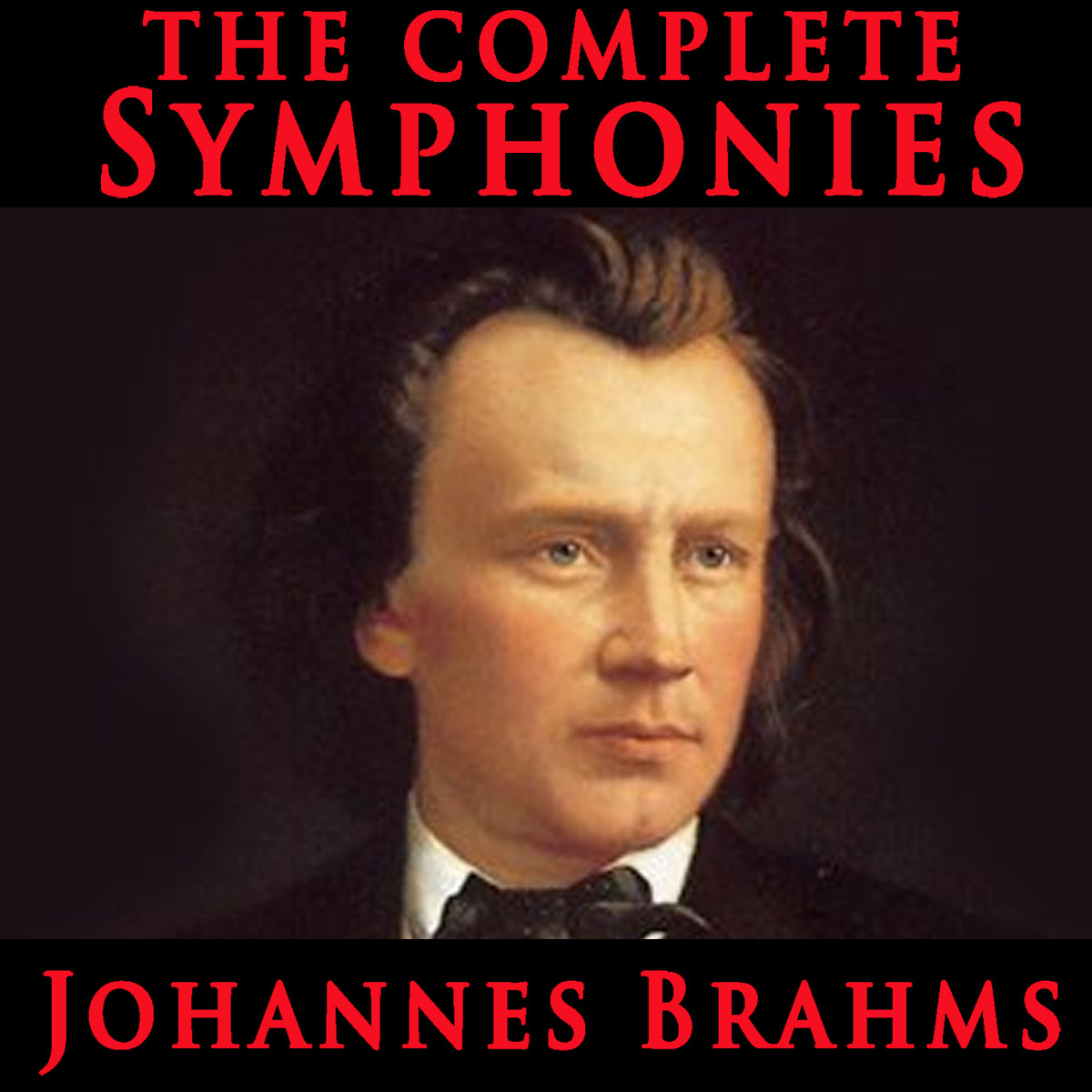
ALBUM NOTESThe evolution of Johannes Brahms-Concierto en Re mayor para violín y orquesta, op. 77 in Concierto en Re mayor para violín y orquesta, op.
Album overview
The "Concierto en Re mayor para violín y orquesta, op. 77" by Johannes Brahms is a pivotal work in the violin repertoire, composed in 1878 and first performed in 1879 with the renowned violinist Joseph Joachim as the soloist. The concerto is structured in three movements: Allegro non troppo, Adagio, and Allegro giocoso, and is widely celebrated for its lyrical melodies, intricate orchestration, and emotional depth. Brahms was known for his meticulous approach to composition, and this work showcases his ability to blend technical challenges for the violinist with rich, symphonic textures. The concerto was released under various labels over the years, and notable recordings include collaborations with orchestras such as the Berlin Philharmonic and the London Symphony Orchestra. The significance of this piece lies not only in its technical brilliance but also in its embodiment of late Romantic ideals, marking a transition from the classical traditions of the past to the more expressive, emotive styles that would follow.
Review
Brahms' Violin Concerto is a testament to the composer's mastery in marrying orchestral and soloist roles. The opening movement, "Allegro non troppo," captivates listeners with its bold themes and intricate interplay between the violin and orchestra. The lyrical "Adagio" offers a moment of introspection, allowing the violin to soar over lush orchestral harmonies, showcasing Brahms' emotional depth. The concluding "Allegro giocoso" brings a spirited and joyful energy, demonstrating Brahms' ability to merge technical prowess with accessibility. This concerto not only highlights the virtuosic capabilities of the violin but also reflects Brahms' deep understanding of the instrument's voice, making it a cornerstone of the violin repertoire. The various interpretations of this piece by different artists reveal the work's versatility and enduring appeal, resonating with both musicians and audiences alike.
Highlights
- Rich orchestration and melodic development.
- Emotional depth, particularly in the Adagio movement.
- Technical brilliance that challenges and showcases the violinist's skill.
Weak points
- Some may find the length of the concerto daunting.
- The complexity of the orchestration can overshadow the soloist in certain interpretations.
- Occasional reliance on traditional forms may feel less innovative compared to contemporaries.
Overall evaluation
Brahms' Violin Concerto remains a landmark in the classical music canon, illustrating the evolution of violin concertos while firmly establishing its place in the Romantic repertoire. Its blend of technical demands and emotional expression ensures its continued relevance and admiration.
Personal rating: 9/10
```