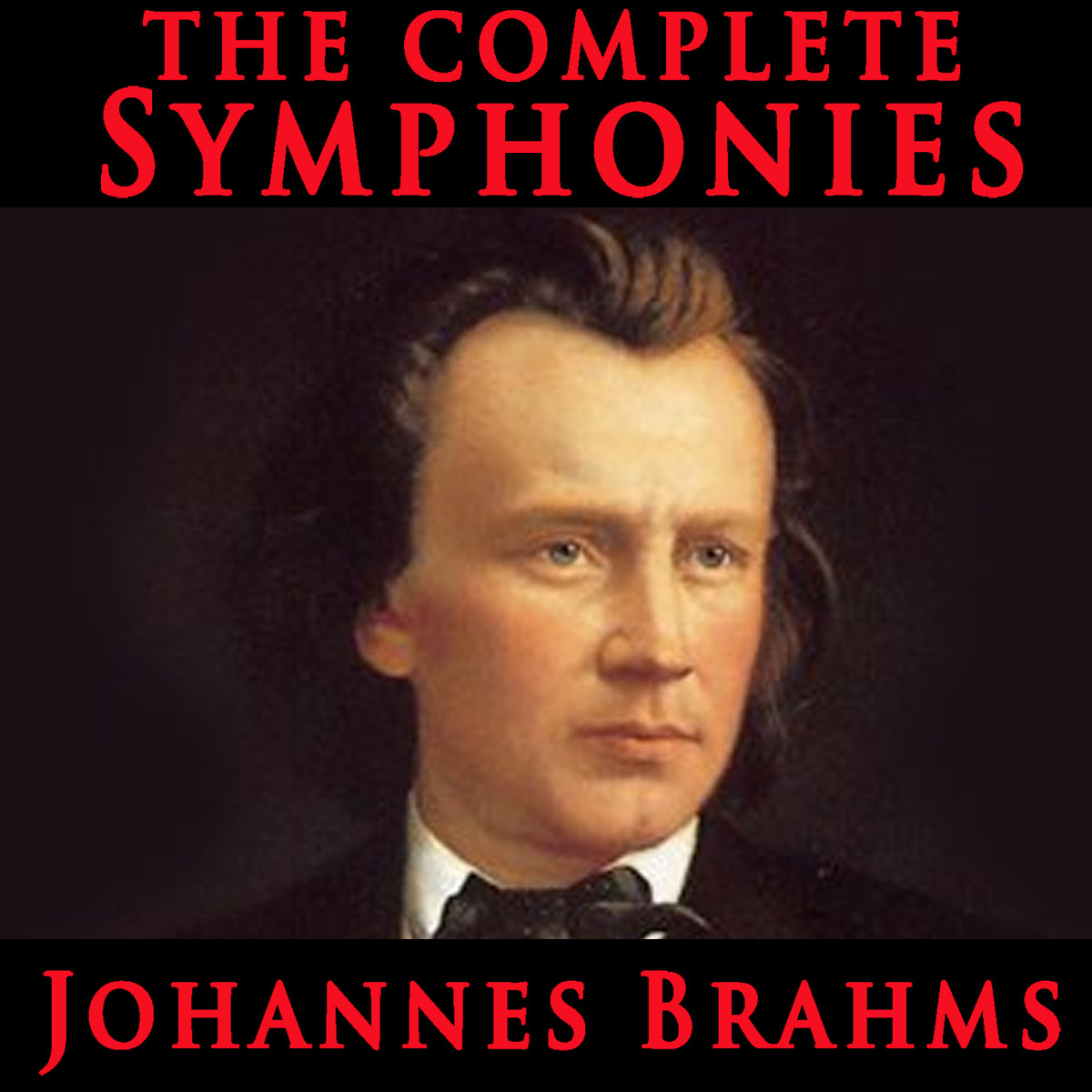
ALBUM NOTESInside Symphony No. 2 / Symphony No. 3 by Johannes Brahms-Symphony No. 2 / Symphony No. 3
Album overview
Johannes Brahms' "Symphony No. 2" and "Symphony No. 3" are two monumental works that showcase the composer’s mastery in symphonic writing. "Symphony No. 2" was completed in 1877 and is often considered one of Brahms' most lyrical and joyful compositions. It was premiered in Vienna under the baton of the composer himself and released under the Deutsche Grammophon label. "Symphony No. 3," finished in 1883, is renowned for its emotional depth and features the famous "Alto Rhapsody” theme. This album, featuring both symphonies, captures the essence of Brahms’ romanticism and his innovative orchestral textures.
The recordings often feature renowned orchestras and conductors, such as the Berlin Philharmonic led by Herbert von Karajan, which adds a layer of historical significance to the interpretations. The album serves as an essential listening experience for classical music enthusiasts, showcasing the evolution of Brahms' style and his contributions to the symphonic repertoire. Historically, these works reflect the cultural climate of late 19th-century Europe, where Brahms stood as a bridge between the classical traditions of the past and the emerging modernist trends.
Review
Brahms' "Symphony No. 2" opens with a flowing, pastoral quality that contrasts with the more intense emotional landscape of "Symphony No. 3." The second symphony is often revered for its sunny disposition and melodic richness, which can bring a sense of tranquility and joy to the listener. In contrast, the third symphony encapsulates a more introspective and complex emotional narrative, characterized by its darker undertones and the poignant 'Fate' motif. The orchestration is lush and detailed, revealing Brahms’ skill in balancing the intricate interactions between strings, woodwinds, and brass.
Both symphonies highlight his innovative use of rhythm and harmony, creating a compelling listening experience. The recordings often bring out the warmth of the string sections and the powerful brass, reflecting Brahms’ ability to evoke profound emotion through orchestral color and dynamics. The performances are generally impeccable, capturing the nuances of the compositions while maintaining a sense of grandeur.
Highlights
- Rich orchestration and emotional depth in both symphonies.
- Masterful melodic writing that showcases Brahms’ lyrical abilities.
- Historic interpretations by renowned conductors and orchestras.
Weak points
- The slower movements may feel lengthy or less engaging for some listeners.
- Occasional interpretations may lack the dynamism found in other recordings.
- Some may find the overall style less accessible compared to more contemporary works.
Overall evaluation
This album is a significant representation of Brahms' symphonic contributions, offering a blend of joy and introspection that resonates with listeners. Both symphonies are essential listening for understanding the evolution of classical music, providing insight into Brahms' genius.
Personal rating: 9/10
```