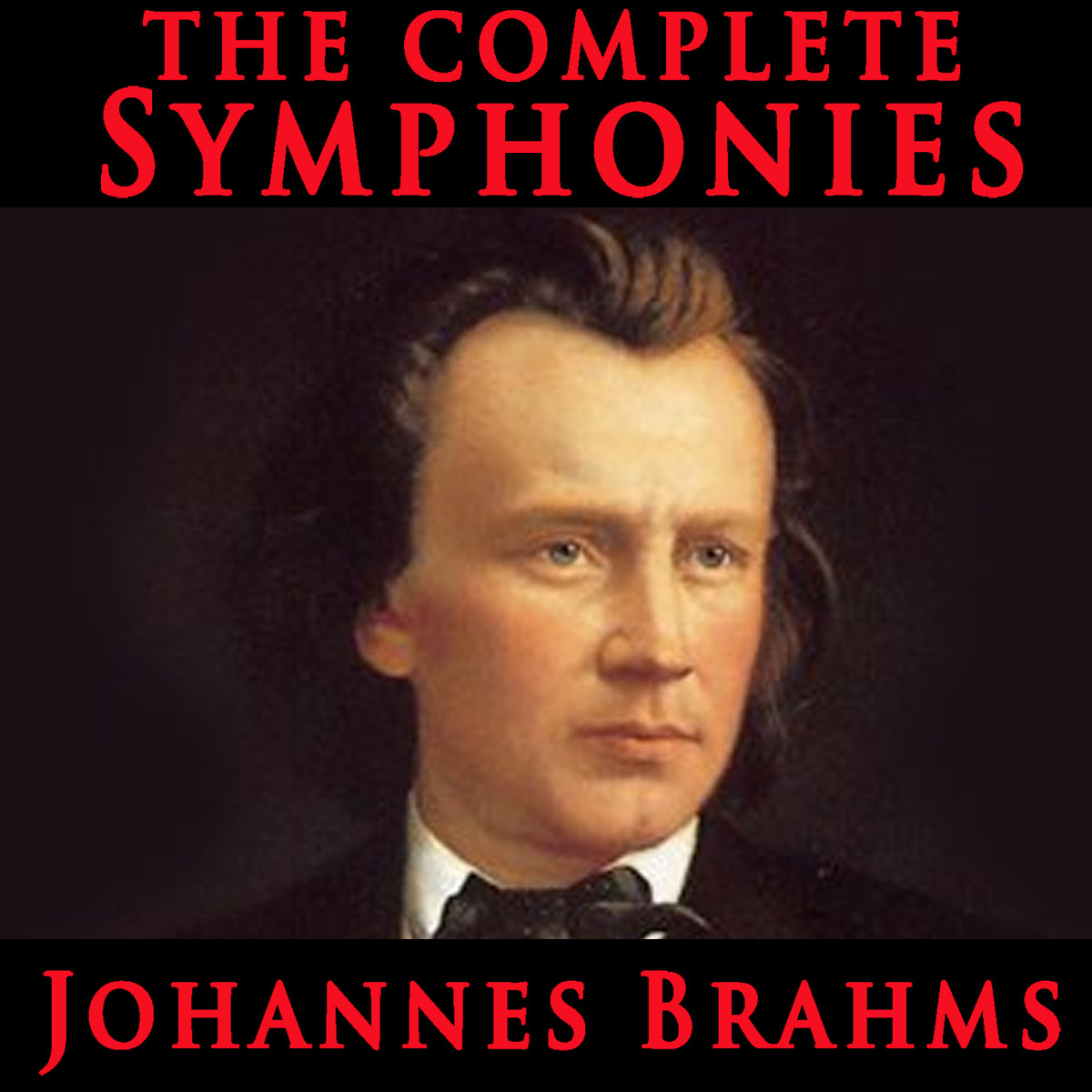
ALBUM NOTESListening to 4. Sinfonie, e-moll, op. 98 by Johannes Brahms-4. Sinfonie, e-moll, op. 98
Album overview
Johannes Brahms' 4th Symphony in E minor, Op. 98, was completed in 1884 and premiered on October 25 of that year in Meiningen, conducted by the composer himself. This symphony represents the culmination of Brahms' symphonic work, showcasing his mastery of orchestration and thematic development. Released under various labels, the symphony is often included in collections of Brahms' orchestral works. The piece consists of four movements, each rich in emotional depth and structural complexity: I. Allegro non troppo, II. Andante moderato, III. Allegro giocoso, and IV. Allegro energico e passionato. Notably, the final movement features a theme derived from a choral setting of the "Dies irae," illustrating Brahms' ability to weave traditional motifs into his compositions. The symphony is celebrated for its integration of classical forms with romantic expressiveness, reflecting the tensions of its time. Brahms collaborated with prominent orchestras and musicians throughout his career, and this work has been performed by countless ensembles, cementing its place in the orchestral repertoire.
Review
Brahms' 4th Symphony is a masterclass in orchestral writing, combining clarity and depth in a way that resonates with both the heart and the intellect. The symphony opens with a brooding intensity, immediately setting a somber yet majestic tone that carries through to the final movement. Each section of the orchestra is given a voice, creating a rich tapestry of sound that showcases Brahms' skillful orchestration. The Andante moderato, with its lyrical melodies, provides a moment of introspection that contrasts beautifully with the vigorous scherzo of the third movement. The finale stands out for its dramatic weight, culminating in a powerful and reflective conclusion. The emotional arc of the symphony is both profound and universal, inviting listeners to traverse the complexities of human experience.
Highlights
- Masterful orchestration and thematic development.
- Emotional depth that resonates with listeners.
- Integration of classical and romantic elements.
Weak points
- May be perceived as dense or complex for casual listeners.
- Some might find the overall mood too somber.
- The length of the symphony may challenge attention spans.
Overall evaluation
Brahms' 4th Symphony is a monumental work that encapsulates the essence of late Romanticism, blending emotional depth with intricate musical structures. Its rich harmonies and powerful themes ensure its place as one of the cornerstones of the orchestral repertoire.
Personal rating: 9/10
```