
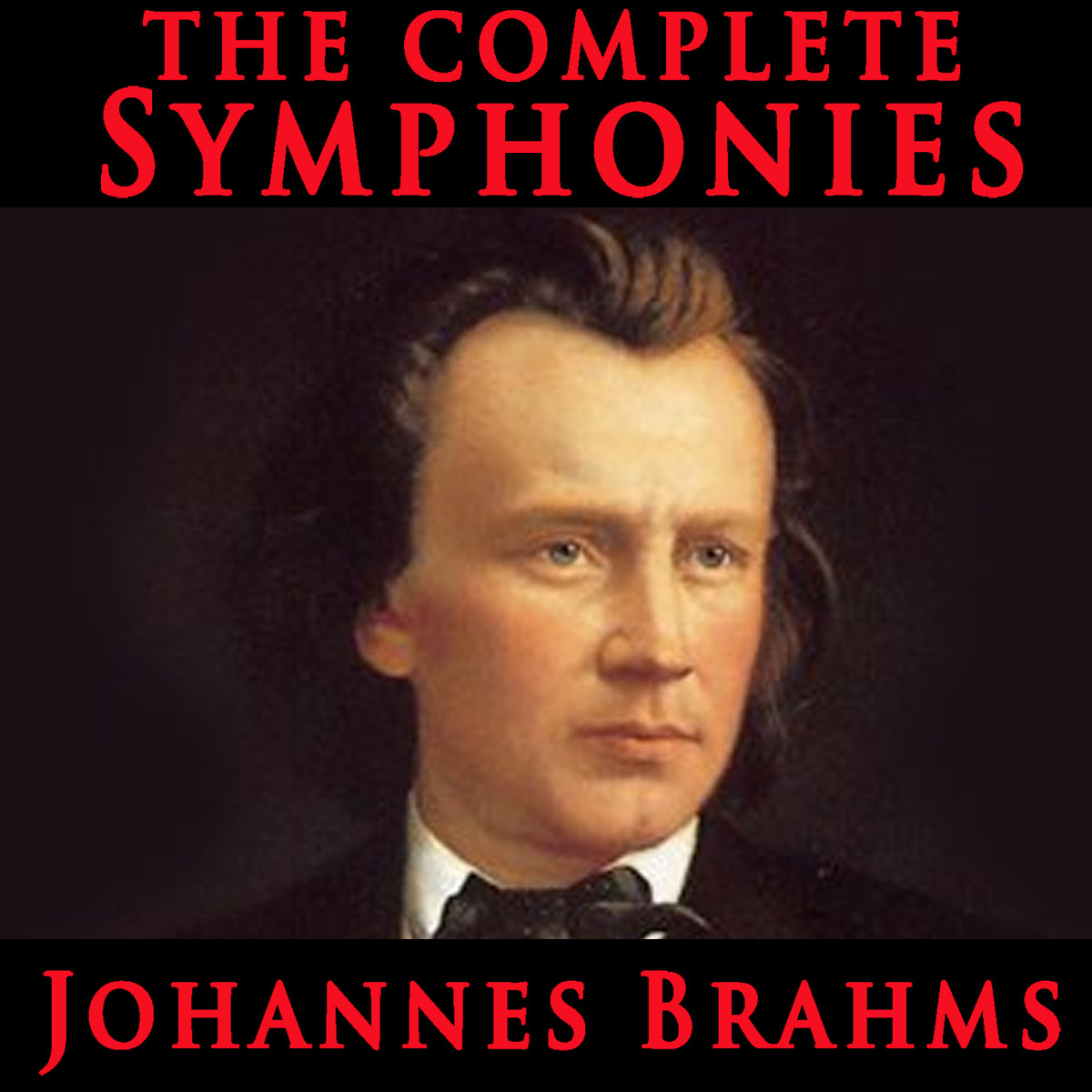
Symphony No. 2 In D Major, Op. 73 / Academic Festi: what Johannes Brahms wants you to feel
Symphony No. 2 In D Major, Op. 73 / Academic Festi- Album Overview
Johannes Brahms' "Symphony No. 2 in D Major, Op. 73 / Academic Festive Overture, Op. 80" is a profound exploration of Romantic orchestral music, first released in 1885. The symphony, alongside the Academic Festive Overture, showcases Brahms’ masterful ability to weave complex emotional narratives through orchestration. Recorded by various orchestras over the years, one notable recording is by the Vienna Philharmonic under the baton of esteemed conductor Herbert von Karajan, released in 1963.
This album is a testament to Brahms' symphonic style, characterized by rich harmonies and intricate counterpoint. The "Symphony No. 2" is often considered one of his most lyrical works, filled with warmth and pastoral themes that evoke the beauty of the Austrian countryside. In contrast, the "Academic Festive Overture," composed in 1880, is a celebratory piece commissioned for a university ceremony that reflects Brahms’ deep respect for academic traditions and his ability to infuse joy into orchestral compositions.
The recording is notable for its lush sound quality, capturing the nuances of Brahms’ orchestration. Collaborators such as the Vienna Philharmonic bring a distinctive character to the interpretation, enhancing the emotional depth of the pieces. The album has been released under various labels, including Deutsche Grammophon and EMI Classics, ensuring its place in the classical canon. The cultural significance of this work lies not only in its technical brilliance but also in its ability to resonate with the human experience, transcending time and inviting listeners to engage with its emotive power.
Review
This album stands as a brilliant showcase of Brahms' ability to balance complexity with accessibility. The "Symphony No. 2" unfolds gracefully, with each movement revealing layers of emotional depth. The first movement opens with a grand theme that is both majestic and serene, encapsulating the essence of Brahms’ Romantic style. The second movement, marked by its melancholy beauty, perfectly contrasts the buoyant joy of the third movement, creating a rich tapestry of sound.
The "Academic Festive Overture" bursts with energy and enthusiasm, capturing Brahms' playful spirit. It serves as a celebration of intellect and creativity, providing a dynamic counterpoint to the introspective nature of the symphony. Overall, the album invites the listener to experience a wide range of emotions, from reflective nostalgia to exuberant joy. The interplay of orchestral voices is executed with precision and passion, making this recording an essential listen for both casual listeners and devoted classical music aficionados.
Highlights
- The lush orchestration and emotional depth of the "Symphony No. 2."
- The vibrant energy and celebratory nature of the "Academic Festive Overture."
- Masterful interpretation by renowned orchestras, enhancing the listening experience.
Weak points
- Some listeners may find the slower movements less engaging.
- The historical context may not resonate with all modern audiences.
- Occasional moments of orchestral density might overwhelm the untrained ear.
Overall evaluation
In conclusion, "Symphony No. 2 in D Major, Op. 73 / Academic Festive Overture" is a timeless representation of Brahms' genius. It captures the emotional spectrum of the human experience through its intricate compositions and rich orchestration.
Personal rating: 9/10