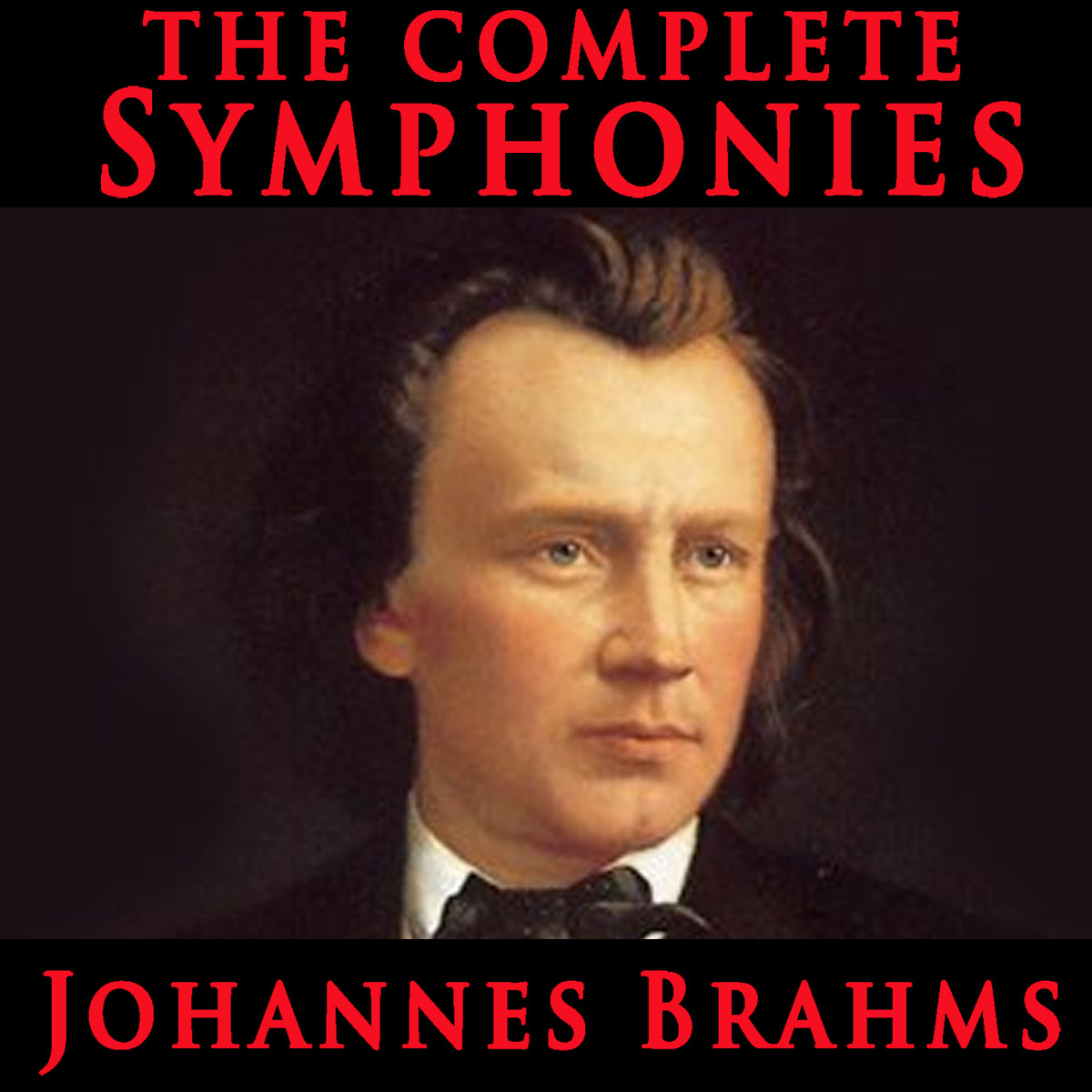
ALBUM NOTESJohannes Brahms – Hungarian Dances (piano Four Hands): track-by-track perspective
Hungarian Dances (piano Four Hands)- Album Overview
The album "Hungarian Dances (piano Four Hands)" by Johannes Brahms showcases a unique arrangement of his celebrated Hungarian Dances, originally composed for orchestra and later adapted for piano. Released in 2015 under the label Deutsche Grammophon, this specific recording features the talented duo of pianists, Katia and Marielle Labèque, who are known for their dynamic interpretations and virtuosic performances. The album comprises 21 tracks, wherein the Labèque sisters breathe new life into Brahms' robust and rhythmic compositions, originally inspired by Hungarian folk melodies.
The Hungarian Dances, composed between 1869 and 1880, reflect Brahms' fascination with the vibrant folk culture of Hungary, and these four-hand piano arrangements offer a rare glimpse into the intricate interplay between the two pianists, creating a rich tapestry of sound. The recording was produced with a focus on clarity and warmth, allowing the intricate details of the piano textures to shine through. This album serves not only as a testament to Brahms' genius but also highlights the adaptability of his music across different genres and formats. The collaboration between the Labèque sisters, who have a long history of performing together, adds a layer of intimacy and connection to the performance.
The cultural significance of Brahms' Hungarian Dances is noteworthy; they have transcended their original context to become staples in concert repertoires worldwide. This recording invites both classical music enthusiasts and newcomers to explore the vibrant world of Brahms, showcasing how traditional folk elements can be seamlessly integrated into classical forms.
Review
The "Hungarian Dances (piano Four Hands)" album is an exhilarating exploration of Brahms' creativity, characterized by lively tempos and spirited rhythms that are distinctly Hungarian in flavor. The Labèque sisters execute the pieces with remarkable synergy, navigating complex passages with finesse and energy. Their interpretations breathe a fresh perspective into these well-known dances, combining precision with expressive nuances.
The sound quality is pristine, allowing listeners to appreciate the clarity of the piano tones and the intricate dialogues between the two performers. Each track unfolds like a narrative, drawing the audience into a world of folk-inspired melodies and emotive harmonies. The dynamic range is particularly impressive, as the pianists shift from delicate whispers to thunderous bursts of sound, capturing the essence of Brahms' original orchestral intentions. Overall, the album is a celebration of collaboration and the timeless appeal of Brahms' music.
Highlights
- Dynamic interplay between the Labèque sisters enhances the overall performance.
- Pristine sound quality allows for an immersive listening experience.
- Fresh interpretations breathe new life into Brahms' classic compositions.
Weak points
- The arrangement may not appeal to purists who prefer orchestral versions of the dances.
- Certain tracks may feel less energetic compared to Brahms' orchestral arrangements.
- The album's length could feel overwhelming for casual listeners unfamiliar with classical music.
Overall evaluation
This album is a remarkable tribute to Brahms' ability to blend folk elements with classical sophistication. The Labèque sisters deliver an engaging performance that is both technically impressive and emotionally resonant. While it may not satisfy every listener's preferences, it undoubtedly offers a vibrant and refreshing perspective on Brahms’ beloved works.
Personal rating: 8/10