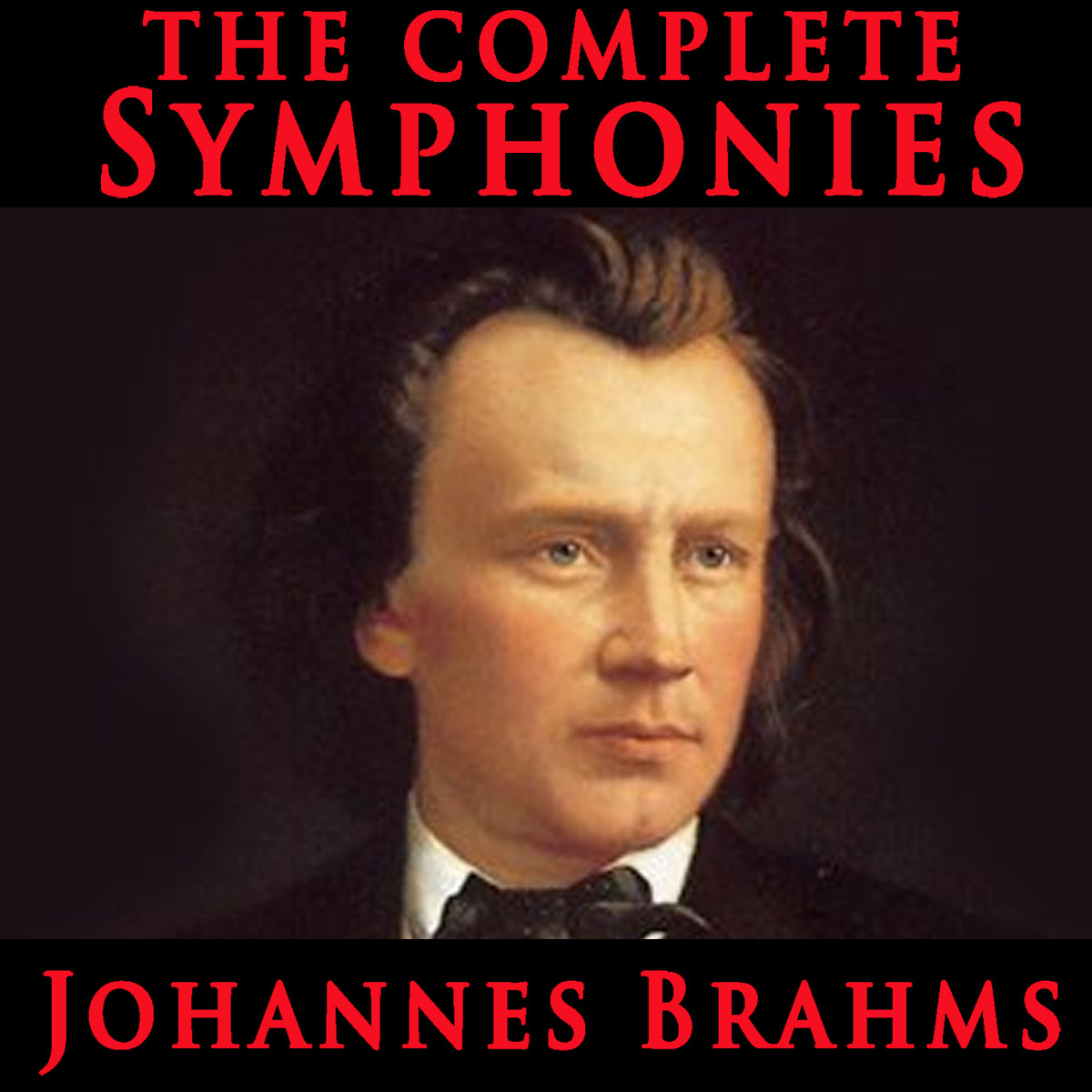
ALBUM NOTESThe evolution of Johannes Brahms-Konzert Für Violine, Violoncello und Orchester a-moll, op. 102.j in Konzert Für Violine, Violoncello und Orchester a-m
Album overview
Johannes Brahms's "Konzert für Violine, Violoncello und Orchester a-moll, op. 102," completed in 1887, represents a significant collaboration in the classical music canon. This double concerto, a unique combination of violin and cello, reflects Brahms's deep understanding of orchestration and his ability to weave intricate musical dialogues between the soloists and the orchestra. The work was composed for the renowned violinist Joseph Joachim and cellist Robert Hausmann, highlighting Brahms's close relationships with these musicians. Released under various labels, including Deutsche Grammophon and EMI Classics, the concerto has seen numerous recordings since its premiere by the Berlin Philharmonic Orchestra conducted by the composer himself. Each iteration showcases a distinct interpretation, yet all maintain the essence of Brahms’s rich harmonic language and emotional depth. The concerto's structure balances lyrical melodies with vigorous passages, a hallmark of Brahms's style. Its cultural significance lies in its ability to bridge the Romantic and modern eras, influencing generations of composers and performers alike.
Review
Brahms's double concerto is a tapestry of emotion and technical prowess, masterfully composed to allow both solo instruments to shine. The first movement, Allegro non troppo, opens with a bold orchestral statement that sets the stage for a thrilling interplay between the violin and cello. The melodies are lush and complex, inviting listeners into a world of deep introspection. The second movement, Andante, offers a serene contrast with its gentle, lyrical lines, showcasing the tenderness that Brahms could evoke. The final movement, Allegro giocoso, returns to the vigorous energy of the opening, culminating in a spirited conclusion that leaves the audience exhilarated. The recording quality across various interpretations has improved over time, allowing the subtleties of Brahms's orchestration to be heard with clarity. Overall, the concerto stands as a testament to Brahms's artistic vision, blending technical mastery with profound emotional expression.
Highlights
- Rich orchestral textures that create a vibrant musical landscape.
- Intricate dialogues between the violin and cello that showcase their unique voices.
- Emotional depth, particularly in the Andante movement, that resonates with audiences.
Weak points
- Some interpretations may lean too heavily on technicality, overshadowing emotional expression.
- The length of the concerto may challenge listeners unfamiliar with classical forms.
- Occasional orchestral passages can overwhelm the soloists if not balanced correctly.
Overall evaluation
Brahms's "Konzert für Violine, Violoncello und Orchester a-moll, op. 102" remains a cornerstone of the cello and violin repertoire, celebrated for its intricate interplay and emotional resonance. It exemplifies Brahms's mastery of orchestration and melodic development.
Personal rating: 9/10
```