
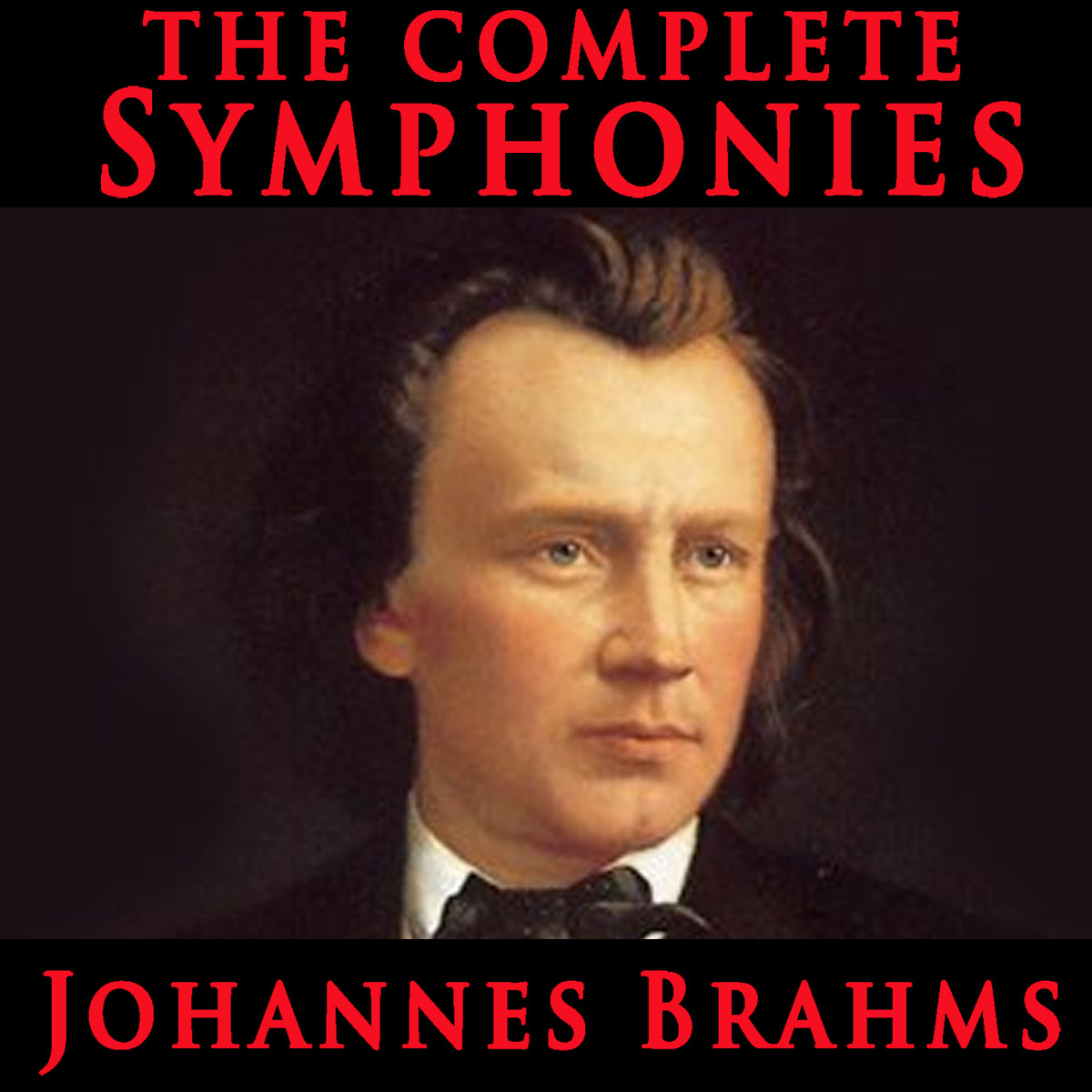
First impressions of Johannes Brahms – Konzert Für Violine Und Orchester D-dur, Op. 77
Konzert Für Violine Und Orchester D-dur, Op. 77- Album Overview
Johannes Brahms' "Konzert Für Violine Und Orchester D-dur, Op. 77," composed in 1878, is a pivotal work in the violin concerto repertoire. First premiered in 1879 with the renowned violinist Joseph Joachim, the concerto showcases Brahms' unique blend of technical prowess and deep emotional expression. The piece is structured in three movements: Allegro non troppo, Adagio, and Allegro giocoso, with each section presenting distinct musical themes that explore a range of sentiments from lyrical beauty to vigorous dance-like energy.
The concerto was originally released under the Deutsche Grammophon label, with various recordings that have contributed to its enduring legacy. Notably, many eminent violinists have taken on the challenge of this composition, bringing their interpretations to life, including Isaac Stern, Itzhak Perlman, and Hilary Hahn. Each artist's interpretation adds new layers to Brahms' intricate musical language, making it a staple in the concert repertoire.
Musically, the concerto reflects Brahms’ transition from the influences of Beethoven and the Romantic tradition towards his own distinct voice. The dialogue between solo violin and orchestra is one of the defining features of the work, showcasing both the virtuosity of the violinist and the rich textures of the orchestral accompaniment. The cultural significance of this concerto cannot be overstated; it stands as a testament to Brahms' mastery in blending emotional depth with classical form, influencing countless composers and musicians in the years that followed.
Review
The "Konzert Für Violine Und Orchester D-dur, Op. 77" is a mesmerizing exploration of the violin's potential, both as a solo instrument and as part of a larger orchestral tapestry. The opening movement, "Allegro non troppo," captivates listeners with its grand themes and intricate interplay between the violin and orchestra. Brahms’ ability to weave complex melodies with emotional depth is particularly evident here, setting a high standard for the performer.
The second movement, "Adagio," is a serene contrast, offering a lyrical respite that showcases the violin's singing quality. It is a moment of introspection, perfectly balanced by the lush orchestral background. The final movement, "Allegro giocoso," bursts forth with a lively energy, concluding the concerto with a sense of triumph and exuberance. Throughout the piece, the technical demands on the soloist are formidable, yet it is the emotional resonance that ultimately leaves a profound impact on the listener.
Highlights
- Rich emotional depth and complexity in the musical themes.
- Exceptional balance between the solo violin and orchestral forces.
- Memorable melodic lines that have become staples in the violin repertoire.
Weak points
- The technical challenges may overshadow emotional expression for less experienced performers.
- Some listeners may find the length of the concerto daunting.
- Occasionally, the dense orchestration can obscure the solo violin’s voice if not performed with precision.
Overall evaluation
Overall, Johannes Brahms' "Konzert Für Violine Und Orchester D-dur, Op. 77" remains a cornerstone of the classical violin repertoire, celebrated for its intricate composition and emotional depth. Its historical significance and continued popularity in concert halls globally highlight its timeless appeal.
Personal rating: 9/10