
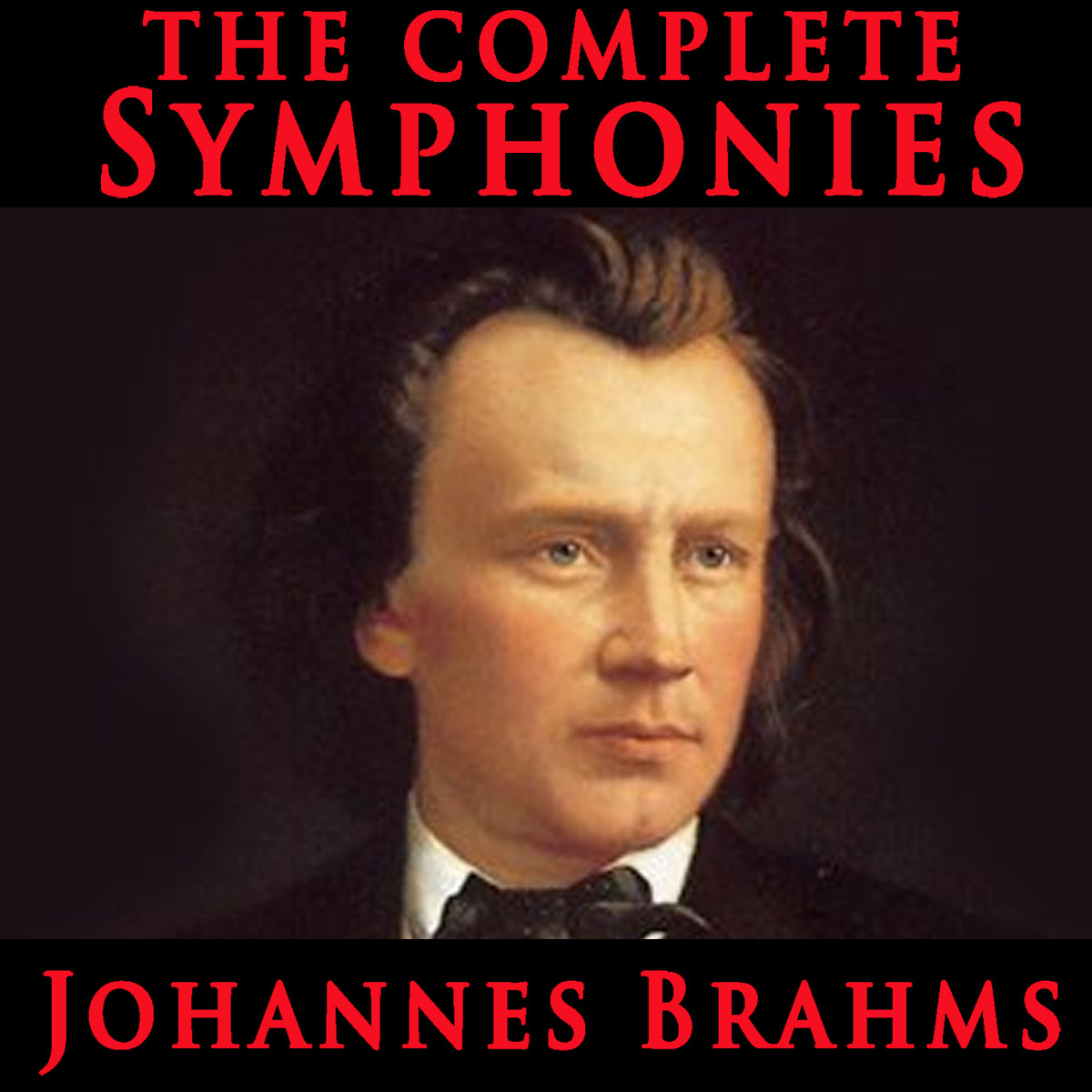
Ein Deutsches Requiem / Haydn-variationen by Johannes Brahms: expectations vs reality
Ein Deutsches Requiem / Haydn-variationen- Album Overview
Released in 1962, the album "Ein Deutsches Requiem / Haydn-Variationen" by Johannes Brahms showcases two of the composer’s significant orchestral and choral works. Brahms, a central figure in the Romantic music movement, composed "Ein Deutsches Requiem" between 1865 and 1868, which is distinct for its humanistic approach, focusing on comfort and solace rather than traditional liturgical texts. This work is characterized by its rich harmonies and profound emotional depth, providing a unique interpretation of the Requiem tradition.
The "Haydn Variations," on the other hand, were completed in 1873 and serve as a testament to Brahms' mastery of variation form. Inspired by a theme from Haydn's "St. Anthony Variations," this piece exemplifies Brahms' compositional prowess, blending complexity with lyrical beauty. The album features performances by internationally acclaimed orchestras and choirs, often under the direction of renowned conductors, contributing to the work's profound impact on audiences.
The recording of these pieces has been undertaken by various labels, emphasizing the versatility and enduring relevance of Brahms’ music. The album not only highlights Brahms' genius but also illustrates the cultural significance of the German Requiem in the context of post-war Germany, resonating with themes of loss and hope. The album remains a staple in classical music collections, celebrated for its artistic and emotional depth, and it continues to inspire new generations of musicians and listeners alike.
Review
The sound of "Ein Deutsches Requiem / Haydn-Variationen" is both lush and intricate, reflecting Brahms' ability to balance orchestral richness with choral clarity. Each movement of the Requiem unfolds with a sense of gravity, particularly in the "Selig sind, die da Leid tragen," where the interplay between the choir and orchestra creates a poignant atmosphere. The emotional weight of the piece is palpable, drawing listeners into a contemplative space that resonates deeply with those familiar with loss and solace.
The "Haydn Variations," while lighter in tone, showcase Brahms' wit and inventiveness. The variations are vibrant and full of character, making them a delightful contrast to the solemnity of the Requiem. Brahms’ clever manipulation of the theme reflects his respect for Haydn while simultaneously asserting his individuality as a composer.
Overall, the artistic vision of the album is clear: Brahms sought to create music that speaks to the human experience, intertwining sorrow and joy in a manner that is profoundly relatable. The performances are executed with precision and passion, making this album a compelling listen for both enthusiasts and newcomers to classical music.
Highlights
- Profound emotional depth in "Ein Deutsches Requiem."
- Masterful orchestration and choral arrangements.
- Engaging and lively variations in the "Haydn Variations."
Weak points
- The length of the Requiem may be daunting for casual listeners.
- Some interpretations may lack the necessary emotional intensity.
- The recording quality may vary between different editions.
Overall evaluation
"Ein Deutsches Requiem / Haydn-Variationen" is a testament to Brahms' genius, encapsulating the duality of human experience through music. It is a profound listening experience that is both challenging and rewarding.
Personal rating: 9/10