
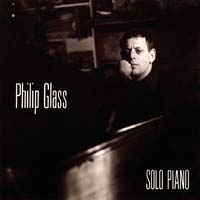
Inside Glass: Violin Concerto No. 1 / Bernstein: Serenade by Philip Glass
Glass: Violin Concerto No. 1 / Bernstein: Serenade- Album Overview
The album "Glass: Violin Concerto No. 1 / Bernstein: Serenade," released in 2022, showcases the remarkable talents of composer Philip Glass, known for his minimalist style and innovative approach to classical music. This recording is released under the Orange Mountain Music label, which has been instrumental in promoting Glass's works. The album features two principal pieces: Glass's Violin Concerto No. 1 and Leonard Bernstein's "Serenade after Plato's Symposium," both of which highlight the intricate relationship between the violin and orchestration. The Violin Concerto No. 1, composed in 1987, is performed by the acclaimed violinist Tim Fain, whose expressive playing brings a fresh emotional depth to the piece. The Bernstein work, originally composed in 1954, serves as a compelling contrast, bringing a lyrical and jazz-inflected style that complements the more rigid structures of Glass's composition. This album not only celebrates the individual brilliance of two iconic composers but also reflects the rich tapestry of American classical music. The recording's production quality is superb, capturing the nuances of the orchestra under the direction of conductor Robert Ziegler. The pairing of these two significant works offers a fascinating exploration of how contemporary and traditional forms can dialogue and intertwine.
Review
The album presents a captivating auditory experience that bridges the gap between two distinct yet complementary musical languages. Glass's Violin Concerto No. 1 is marked by its repetitive motifs and intricate layers, evoking a sense of both urgency and tranquility. The interplay between the solo violin and the orchestra creates an immersive soundscape, where each note feels deliberate and well-placed. Tim Fain’s performance is nothing short of mesmerizing, showcasing technical prowess while maintaining an emotional core. In contrast, Bernstein's "Serenade" introduces a more fluid, lyrical style, characterized by its engaging themes and rhythmic diversity. The juxtaposition of Glass's minimalist approach with Bernstein's rich harmonic language offers listeners a dynamic listening experience. The transition between the two pieces is seamless, demonstrating the versatility of the violin as a central instrument in both compositions. Overall, the album is a testament to the enduring relevance of these composers and the timeless nature of their works.
Highlights
- Tim Fain's virtuosic violin performance enhances the emotional depth of Glass's work.
- The seamless integration of Glass's and Bernstein's compositions creates a rich listening experience.
- High-quality production ensures clarity and fidelity, bringing out the nuances of the orchestration.
Weak points
- The minimalist style of Glass may not appeal to all listeners, especially those preferring more traditional forms.
- Some may find the contrasts between the two works jarring rather than complementary.
- The album's length may feel brief for those who desire a more extensive exploration of each piece.
Overall evaluation
This album is a compelling fusion of two iconic compositions that exemplify the evolution of American classical music. Glass and Bernstein, through their distinct styles, create a dialogue that is both engaging and thought-provoking. The performance, particularly by Tim Fain, elevates the experience, making this a must-listen for classical music enthusiasts.
Personal rating: 8/10 1990Passages
 1988Dance Nos. 1-5
 1986Songs From Liquid Days
 1983The Photographer
 1982Glassworks
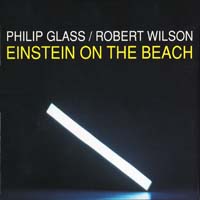 1979Einstein on the Beach
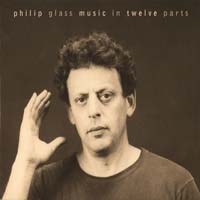 1975Music in Twelve Parts
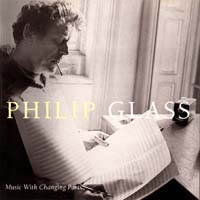 1971Music With Changing Parts
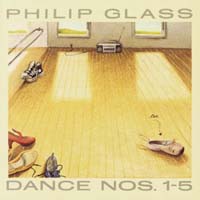 0Dance Nos. 1