
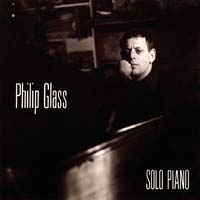
600 Lines / How Now: the next chapter for Philip Glass
600 Lines / How Now- Album Overview
Released in 2020, "600 Lines / How Now" is a significant addition to Philip Glass's extensive discography, showcasing his continued evolution as a composer. The album is a collaboration with the acclaimed soprano, Lisa Bielawa, and features the Ensemble Signal, known for its commitment to contemporary classical music. Glass, a pioneer of minimalism, utilizes repetitive structures and rich harmonies, characteristic of his style, while also pushing the boundaries of his sound with this release.
The album's title, "600 Lines," references the text by the poet and playwright, David Lang, from which the vocal lines are derived. The work consists of two distinct pieces: "600 Lines" and "How Now," both of which reflect Glass’s deep engagement with language and rhythm. This project was recorded at the renowned 2019 PROTOTYPE Festival, a festival dedicated to new opera and music-theater works. It was released under the Orange Mountain Music label, which has been pivotal in preserving and promoting Glass’s repertoire.
The music blends traditional classical elements with contemporary themes, creating a dialogue between the past and the present. Glass's collaboration with Bielawa adds a fresh perspective, as her expressive vocal style complements his intricate musical landscapes. The album serves not only as a continuation of Glass's artistic journey but also highlights the ongoing relevance of his work in today's musical landscape, addressing themes of communication and the human experience.
Review
"600 Lines / How Now" is a testament to Philip Glass's mastery of minimalist composition, yet it also reveals his willingness to explore new territory. The album opens with "600 Lines," where Glass’s signature repetitive motifs intertwine with Bielawa's soaring vocals, creating a mesmerizing tapestry of sound. The lyrics, derived from Lang's poetry, provide a narrative depth that enhances the listening experience, inviting listeners to reflect on the interplay of words and music.
Artistically, Glass continues to challenge himself and his audience, proving that he remains at the forefront of contemporary classical music. The album's seamless blend of poetry and composition not only showcases his technical prowess but also his ability to evoke profound emotional responses through music.
Highlights
- Innovative blend of minimalism and contemporary themes.
- Lisa Bielawa's powerful and expressive vocal performance.
- Rich orchestration that enhances the lyrical depth.
Weak points
- Some listeners may find the minimalist approach repetitious.
- The narrative depth may be lost on those unfamiliar with the poetic source material.
- Length of the pieces may challenge attention spans.
Overall evaluation
"600 Lines / How Now" stands as a compelling chapter in Philip Glass's storied career, offering a fresh perspective on his minimalist roots while exploring new artistic avenues. It is a thought-provoking work that resonates with contemporary audiences and solidifies Glass's legacy as one of the most important composers of our time.
Personal rating: 8/10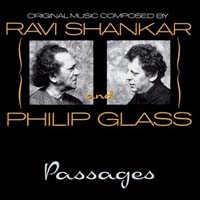 1990Passages
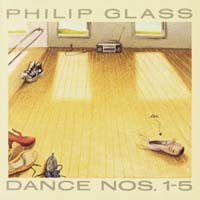 1988Dance Nos. 1-5
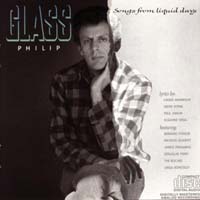 1986Songs From Liquid Days
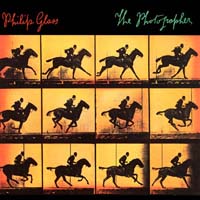 1983The Photographer
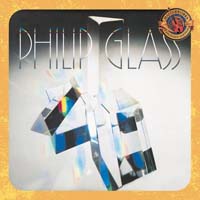 1982Glassworks
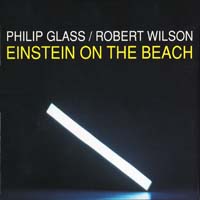 1979Einstein on the Beach
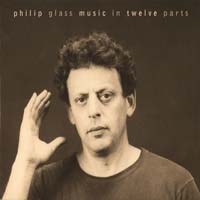 1975Music in Twelve Parts
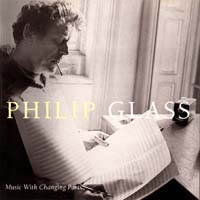 1971Music With Changing Parts
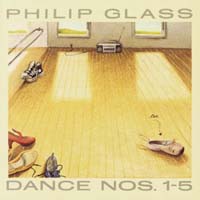 0Dance Nos. 1