
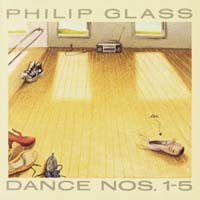
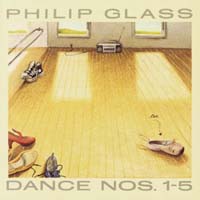
Check the vibes: Philip Glass – Dance Nos. 1-5
Dance Nos. 1-5- Album Overview
Released in 1984, "Dance Nos. 1-5" is a pivotal work in the oeuvre of Philip Glass, one of the most prominent composers of contemporary classical music. This album, released on the Elektra/Nonesuch label, encapsulates Glass's minimalist style, characterized by repetitive structures and a rich harmonic vocabulary. The five pieces on this album were originally composed for the esteemed choreographer Jerome Robbins' ballet "Glass Pieces," which premiered in 1983. In this way, Glass not only bridges the worlds of music and dance but also showcases his talent for creating evocative soundscapes that complement the physical movement of performance. The recording features the Philip Glass Ensemble, a group that has been integral to his work and vision, allowing for a unique synergy between the composer and his performers. "Dance Nos. 1-5" has been critically acclaimed for its intricate layering of sound and rhythmic intricacies, marking a significant moment in the New York avant-garde scene of the 1980s. The album's tracks, including "Dance No. 1" and "Dance No. 2," are not just excerpts from the ballet but stand-alone pieces that highlight Glass's ability to convey emotion and narrative through instrumental music. The use of synthesizers and traditional instruments creates a distinctive auditory landscape, contributing to the cultural significance of this album as a bridge between classical traditions and modern sensibilities.
Review
In "Dance Nos. 1-5," Glass's signature minimalist style is on full display, enveloping the listener in a world of rhythmic patterns and melodic motifs. The album opens with a pulsating energy in "Dance No. 1," immediately establishing a sense of movement that is both exhilarating and meditative. Each subsequent piece builds upon this foundation, layering complexity while maintaining a cohesive sound that is unmistakably Glass. The interplay between the ensemble's instruments creates a rich tapestry of sound that invites repeated listens, revealing new nuances with each encounter. While the album is instrumental and devoid of lyrics, the emotional depth conveyed through the music is profound. Glass’s ability to evoke imagery and feeling without words is a testament to his mastery as a composer. The rhythmic drive and hypnotic repetition can be both soothing and invigorating, making it a unique listening experience. However, some may find the minimalist approach to be overly simplistic or repetitive. Nonetheless, "Dance Nos. 1-5" serves as a perfect example of Glass's artistic vision, where simplicity is not a lack of complexity but a pathway to deeper understanding and appreciation.
Highlights
- Rich and layered instrumentation that creates a compelling soundscape.
- Strong rhythmic elements that evoke a sense of movement and dance.
- The ability to convey deep emotion and narrative without the use of lyrics.
Weak points
- Repetitive structures may not appeal to all listeners.
- Lack of variety in musical themes across the tracks.
- Some may perceive the minimalist style as overly simplistic.
Overall evaluation
"Dance Nos. 1-5" is a significant addition to Philip Glass's body of work, showcasing his unique ability to blend classical elements with modern sensibilities. While its minimalist approach may not resonate with everyone, its artistic integrity and emotional depth make it a noteworthy exploration of music as a form of movement and expression.
Personal rating: 8/10 2011Mad Rush: Solo Piano Music Of Philip Glass
 1990Passages
 1986Songs From Liquid Days
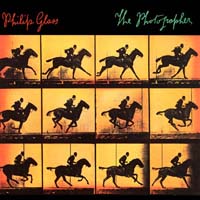 1983The Photographer
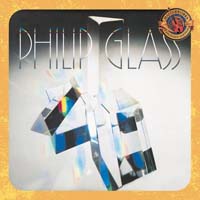 1982Glassworks
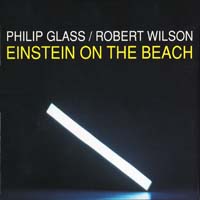 1979Einstein on the Beach
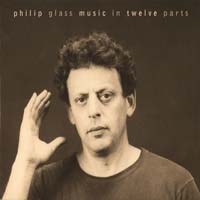 1975Music in Twelve Parts
 1971Music With Changing Parts
 0Dance Nos. 1