
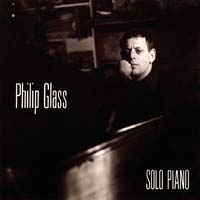
Philip Glass experiments boldly on Barber / Dvo?ák / Glass
Barber / Dvo?ák / Glass- Album Overview
The album "Barber / Dvo?ák / Glass," released in 2018 under the Orange Mountain Music label, showcases a fascinating confluence of classical music's rich heritage through the works of Samuel Barber, Antonín Dvo?ák, and the contemporary visionary Philip Glass. This album stands as a testament to Glass's ability to bridge the gap between traditional and modern compositions, reflecting his lifelong exploration of musical boundaries.
Glass collaborated with esteemed musicians, including the renowned Boston Modern Orchestra Project, conducted by Gil Rose, to bring this ambitious project to life. The recording sessions took place at the iconic New England Conservatory, where the ensemble's precision and passion breathe new life into these classic works. The album comprises Barber's "Adagio for Strings," Dvo?ák's "Symphony No. 9 'From the New World'," and Glass's own compositions, which serve to highlight his unique minimalist style while paying homage to the emotional depth found in Barber and Dvo?ák's music.
Each piece on the album is meticulously arranged, with Glass's interpretations adding a fresh perspective that resonates with both classical aficionados and modern listeners. The album not only serves as a homage but also as a vehicle for exploring the evolution of music through Glass's innovative lens. Its release has sparked conversations around the blending of different musical eras and styles, making it a significant addition to contemporary classical music discussions.
Review
In "Barber / Dvo?ák / Glass," Philip Glass demonstrates his signature minimalist approach while remaining faithful to the emotional essence of the original compositions. The album opens with Barber's "Adagio for Strings," a piece that has been reinterpreted countless times, yet Glass manages to imbue it with a new sense of urgency and clarity. The orchestration is both haunting and uplifting, showcasing the depth of Barber's work through Glass's lens.
Dvo?ák's "Symphony No. 9" follows, and under Glass’s direction, the piece feels revitalized, with rhythmic patterns that resonate with contemporary audiences. Glass's interpretation retains the lush melodies that characterize Dvo?ák’s music while infusing it with his distinctive rhythmic pulse. It’s a bold choice that perhaps challenges purists but ultimately rewards listeners with a refreshing take on a classic work.
Glass's own compositions included in the album serve as a bridge, intertwining his modern sensibilities with the traditional roots of the other two composers. His ability to weave intricate motifs together creates an engaging listening experience that invites repeated exploration, evoking a range of emotions that reflect his artistic vision.
Highlights
- Innovative re-interpretations of classic works, showcasing Glass’s unique minimalist style.
- Exceptional performances by the Boston Modern Orchestra Project, adding depth to every track.
- The seamless blend of traditional and contemporary elements, appealing to a wide range of listeners.
Weak points
- Some purists may find Glass's interpretations too far removed from the originals.
- The minimalist approach may not resonate with all listeners, particularly those seeking a more traditional classical experience.
- The album's pacing may feel uneven at times, affecting the overall flow of listening.
Overall evaluation
"Barber / Dvo?ák / Glass" is a bold and ambitious project that successfully explores the intersection of classical and contemporary music. Philip Glass's innovative interpretations breathe new life into beloved compositions, making this album a significant contribution to both his discography and the classical genre. It invites listeners to reconsider the boundaries of classical music while celebrating its emotional core.
Personal rating: 8/10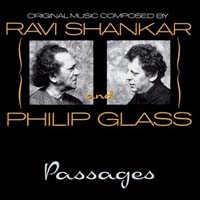 1990Passages
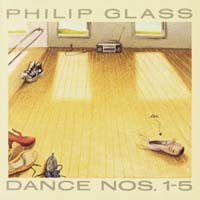 1988Dance Nos. 1-5
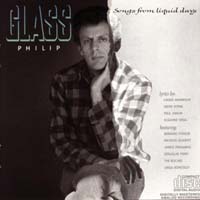 1986Songs From Liquid Days
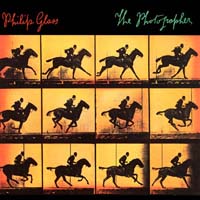 1983The Photographer
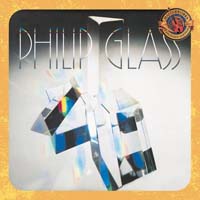 1982Glassworks
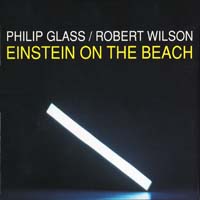 1979Einstein on the Beach
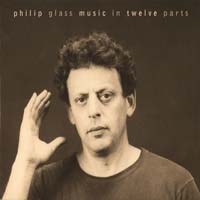 1975Music in Twelve Parts
 1971Music With Changing Parts
 0Dance Nos. 1