
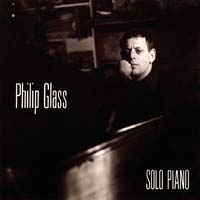
Philip Glass – Symphony No. 2 / Interlude from Orphée / Concerto: track-by-track perspective
Symphony No. 2 / Interlude from Orphée / Concerto - Album Overview
The album "Symphony No. 2 / Interlude from Orphée / Concerto" by Philip Glass was released in 1994 under the Orange Mountain Music label. This collection showcases three significant works by Glass, who is a pivotal figure in contemporary classical music. The album features the "Symphony No. 2," which is a remarkable example of Glass’s minimalist style, characterized by repetitive structures and gradual transformation of motifs. The "Interlude from Orphée" is an excerpt from Glass’s opera "Orphée," which itself is inspired by Jean Cocteau’s film of the same name. Lastly, the "Concerto" piece adds a different layer to the album with its rich textures and vibrant orchestration. The recording features the esteemed London Philharmonic Orchestra, conducted by the composer himself, which lends the album a unique authenticity and depth. Collaborators include renowned musicians who have contributed to Glass’s ongoing legacy in the field of minimalist composition. The production focuses on clarity and emotional resonance, allowing the intricate interplay of instruments to shine through. This album not only highlights Glass's distinctive style but also cements his influence on both classical and modern music. It serves as a vital resource for understanding the evolution of contemporary orchestral music and Glass's artistic vision, making it a significant addition to any classical music collection.
Review
Philip Glass's "Symphony No. 2 / Interlude from Orphée / Concerto" is a compelling exploration of minimalist orchestration that showcases the composer's signature style. The Symphony No. 2 opens with a sense of purpose, its repetitive motifs creating an immersive auditory experience that draws listeners in. Glass's ability to weave melody and rhythm into a tapestry of sound is evident, as each movement unfolds with a delicate complexity that rewards attentive listening. The "Interlude from Orphée" serves as a poignant bridge between the two larger works, encapsulating the ethereal quality of Glass's music. It evokes a dreamlike state, with its lush harmonies and flowing lines. Meanwhile, the "Concerto" presents a more dynamic and vibrant character, incorporating a variety of instrumental colors and textures that highlight the versatility of the orchestra. Throughout the album, Glass’s artistic vision is clear: to engage the listener in a contemplative dialogue through music that is at once accessible and thought-provoking. The overall sound is polished, with a meticulous attention to detail evident in the orchestral arrangements and production quality.
Highlights
- The immersive experience created by the repeated motifs in "Symphony No. 2."
- The ethereal quality of the "Interlude from Orphée," which beautifully captures the essence of the opera.
- The dynamic orchestration in the "Concerto" that highlights the versatility of the ensemble.
Weak points
- Some listeners may find the minimalist style repetitive over extended listening sessions.
- The album may feel less accessible to those unfamiliar with contemporary classical music.
- Lack of vocal elements may deter fans of operatic or lyrical compositions.
Overall evaluation
"Symphony No. 2 / Interlude from Orphée / Concerto" stands as a testament to Philip Glass's enduring legacy in the realm of contemporary classical music. It successfully illustrates his distinctive minimalist approach while offering a rich auditory experience through its orchestral depth. The album is essential for enthusiasts of modern classical works.
Personal rating: 8/10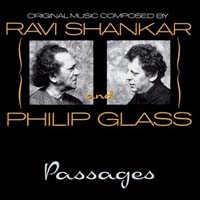 1990Passages
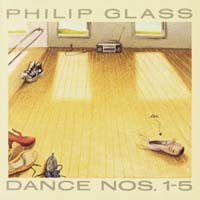 1988Dance Nos. 1-5
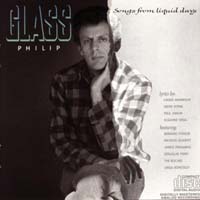 1986Songs From Liquid Days
 1983The Photographer
 1982Glassworks
 1979Einstein on the Beach
 1975Music in Twelve Parts
 1971Music With Changing Parts
 0Dance Nos. 1