ALBUM NOTESFirst impressions of Philip Glass – Early American Minimalism / Walls Of Sound Ii / Wa
Early American Minimalism / Walls Of Sound Ii / Wa- Album Overview
Philip Glass, a pivotal figure in the minimalist music movement, continues to push the boundaries of contemporary classical music with his album "Early American Minimalism / Walls Of Sound II / Wa," released in 2023. This collection features pieces that reflect Glass's unique style, characterized by repetitive structures and intricate harmonic progressions. The album is released under the esteemed Orange Mountain Music label, known for its dedication to Glass's works.
"Early American Minimalism" draws from the rich tapestry of American musical traditions, infusing elements of folk and blues into Glass's minimalist framework. The album consists of a series of compositions that highlight Glass's ability to blend simplicity with complexity, creating an immersive listening experience. Collaborators on this project include renowned musicians and ensembles who contribute to the rich textures that define the album.
The recording sessions took place in various locations, capturing the essence of American soundscapes and showcasing Glass's adaptability as a composer. While there are no specific singles highlighted from the album, each track serves as a standalone exploration of Glass's artistic vision. The cultural significance of this album lies in its ability to bridge the gap between traditional and contemporary music, reaffirming Glass's status as a leading figure in modern compositions.
With "Walls Of Sound II," Glass further explores the relationship between sound and silence, emphasizing the emotional depth of his music. The album is both a reflection of Glass's lifelong journey in music and an homage to the diverse influences that have shaped his career.
Review
Philip Glass's "Early American Minimalism / Walls Of Sound II / Wa" offers a masterclass in the minimalist genre, showcasing his distinct sound that has captivated audiences for decades. The album is characterized by its soothing yet intricate melodies, where repeating motifs intertwine seamlessly, creating a hypnotic effect. This hypnotism is a hallmark of Glass's work, inviting listeners into a meditative state that encourages introspection.
The sound design is rich and layered, with a careful balance between electronic and acoustic elements. Glass's use of piano as a primary instrument highlights the natural resonance of the notes, while strings and winds add depth and texture. Lyrically, while the album leans more towards instrumental compositions, the emotional resonance of the music speaks volumes, conveying a narrative without words.
Artistically, the album reflects Glass's ongoing exploration of American musical identities, merging avant-garde techniques with folk influences. The result is a soundscape that feels both familiar and innovative, marking a significant point in his discography. Overall, the album is a testament to Glass's genius and his ability to evolve while staying true to his roots.
Highlights
- Intricate and captivating melodies that showcase Glass's signature minimalist style.
- A rich blend of acoustic and electronic elements that enhance the listening experience.
- The album's ability to evoke deep emotional responses despite its instrumental nature.
Weak points
- Some might find the repetitive nature of minimalism challenging or monotonous.
- The lack of lyrical content may not appeal to all listeners.
- Tracks may feel lengthy to those unfamiliar with the minimalist genre.
Overall evaluation
In "Early American Minimalism / Walls Of Sound II / Wa," Philip Glass reaffirms his status as a master composer, bringing together diverse influences that resonate with both traditional and contemporary audiences. The album is an exploration of sound, space, and emotion, making it a significant contribution to his body of work.
Personal rating: 8/10

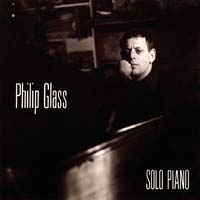
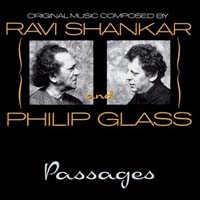 1990Passages
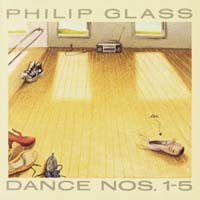 1988Dance Nos. 1-5
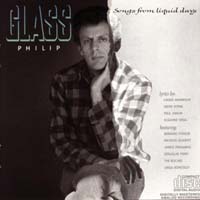 1986Songs From Liquid Days
 1983The Photographer
 1982Glassworks
 1979Einstein on the Beach
 1975Music in Twelve Parts
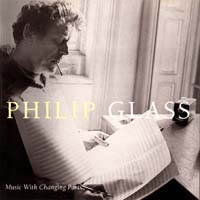 1971Music With Changing Parts
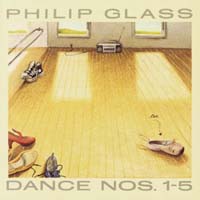 0Dance Nos. 1