ALBUM NOTESWhy Philip Glass's “low” Symphony matters
“low” Symphony- Album Overview
The “low” Symphony, composed by Philip Glass and released in 1992, is a striking adaptation of the music from David Bowie and Brian Eno’s iconic 1977 album, “Low.” This work is a part of Glass’s broader exploration of popular music through the lens of classical composition, merging minimalist techniques with the emotive power of rock. The album was released under the prestigious Orange Mountain Music label, founded by Glass himself to promote his works.
The symphony is structured in three movements, each capturing the essence of the original tracks while infusing them with Glass's signature rhythmic and harmonic language. The recording features the American Composers Orchestra, showcasing the adeptness of the ensemble in interpreting Glass's complex yet accessible style. Notably, this adaptation has been praised for its ability to evoke the same emotional depth as the source material while creating a distinctly new experience.
In terms of cultural significance, the “low” Symphony stands out as a testament to Glass's innovative approach to composition, bridging the divide between classical and contemporary music. It has contributed to the ongoing discourse about the legitimacy of popular music within the classical canon. The album also highlights Glass's role in redefining modern classical music, making it more inclusive and reflective of diverse influences.
Review
Philip Glass's “low” Symphony is a fascinating exploration of sound that underscores his genius in reimagining existing works. The symphony retains the emotional undercurrents of Bowie’s original compositions while translating them into a classical framework that feels both fresh and familiar. The rhythmic patterns and repetitive structures characteristic of Glass's minimalist style are evident throughout the piece, offering listeners a meditative experience.
The orchestration is rich and layered, with strings and woodwinds weaving intricate textures that bring depth to the movements. While the original tracks from “Low” are often steeped in the rawness of rock, Glass's interpretation softens this edge, allowing for a more introspective journey. His ability to maintain the integrity of Bowie’s music while infusing it with a classical sensibility showcases his artistic vision and skill as a composer.
However, the adaptation may challenge purists who prefer the original rock sound, as Glass’s version leans heavily into abstraction and minimalism, which might not resonate with all listeners. Still, the “low” Symphony serves as a compelling reminder of the fluidity between genres and the possibilities of musical reinterpretation.
Highlights
- The intricate orchestration that enhances the emotional depth of the original compositions.
- Glass's ability to blend minimalist techniques with popular music, creating a unique listening experience.
- The cultural significance of bridging classical music with iconic rock influences.
Weak points
- Some listeners may find the minimalist approach too abstract and less engaging.
- The symphony's pacing may feel slow to those accustomed to the immediacy of rock music.
Overall evaluation
Philip Glass's “low” Symphony is an ambitious and thought-provoking work that challenges traditional boundaries between genres. It stands as a significant achievement in contemporary classical music, blending the emotional resonance of Bowie’s music with Glass's minimalist sensibilities.
Personal rating: 8/10

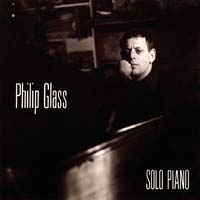
 1990Passages
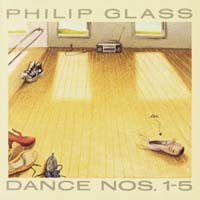 1988Dance Nos. 1-5
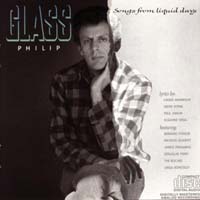 1986Songs From Liquid Days
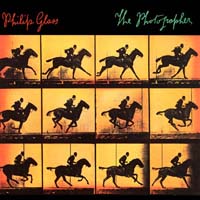 1983The Photographer
 1982Glassworks
 1979Einstein on the Beach
 1975Music in Twelve Parts
 1971Music With Changing Parts
 0Dance Nos. 1