
One week with Symphony No. 6 "plutonian Ode": thoughts on Philip Glass
Symphony No. 6 "plutonian Ode"- Album Overview
"Symphony No. 6: Plutonian Ode," released in 2022, stands as a significant entry in Philip Glass's illustrious oeuvre. Known for his minimalist style and profound impact on contemporary classical music, Glass composed the symphony in collaboration with the acclaimed poet Anne Carson, who provided the text that serves as the foundation for the work. The album is released under the Orange Mountain Music label, a platform dedicated to Glass’s compositions and recordings. The symphony was performed by the acclaimed American Composers Orchestra, showcasing Glass’s distinctive blend of orchestration and lyrical content.
The work is notable for its exploration of themes related to the cosmos and humanity's place within it, reflecting Glass's long-standing interest in the intersection of art, science, and philosophy. "Plutonian Ode" is structured in several movements, each offering a meditative experience that invites listeners into a sonic universe, deeply connected to the primordial and the ethereal. Throughout the album, Glass employs his characteristic rhythmic patterns and harmonic progressions, which both challenge and soothe the listener.
The recording features prominent musicians and a rich orchestral palette, creating a lush soundscape that is both immersive and thought-provoking. Notably, the work's premiere took place at the 2022 Lincoln Center, further solidifying its cultural significance. As Glass continues to evolve as a composer, "Symphony No. 6: Plutonian Ode" serves as a testament to his enduring relevance and capability to inspire through music.
Review
"Symphony No. 6: Plutonian Ode" encapsulates Philip Glass's mature sound while remaining accessible to both seasoned listeners and newcomers alike. The symphony unfolds with a fluidity that is characteristic of Glass's work, offering moments of both tension and release. The use of vocal elements interwoven with orchestral textures gives the piece a unique depth, allowing the listener to engage with the lyrical narrative presented by Carson’s poetry.
Musically, the symphony employs repetitive motifs that create a hypnotic effect, drawing listeners into a contemplative state. However, it also introduces new elements that showcase Glass's willingness to experiment with form and content, pushing the boundaries of minimalist music. The orchestration is meticulously crafted, allowing each instrument to shine while contributing to the cohesive whole.
While the symphony is undeniably a work of art, some may argue that its abstract nature can alienate those seeking more traditional melodic structures. Nonetheless, Glass's ability to evoke emotion through simplicity and repetition remains a hallmark of his genius, reaffirming his status as a leading figure in modern classical music.
Highlights
- Mesmerizing orchestration that showcases Glass's mastery of sound.
- Innovative collaboration with poet Anne Carson, adding a rich lyrical dimension.
- Engaging themes that resonate with contemporary audiences, exploring human existence in the cosmos.
Weak points
- May be too abstract for listeners unfamiliar with minimalist music.
- Some sections might feel repetitive or drawn out for those preferring traditional structures.
- Limited accessibility due to its avant-garde nature, potentially alienating mainstream audiences.
Overall evaluation
"Symphony No. 6: Plutonian Ode" is a profound addition to Philip Glass's repertoire, blending orchestral mastery with poetic exploration. While it may challenge some listeners, those open to its unique approach will find a rich and rewarding experience within its depths.
Personal rating: 8/10 1990Passages
 1988Dance Nos. 1-5
 1986Songs From Liquid Days
 1983The Photographer
 1982Glassworks
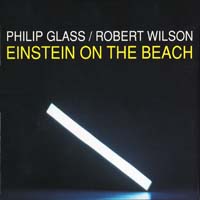 1979Einstein on the Beach
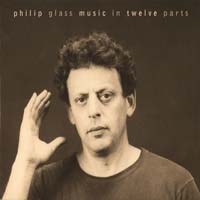 1975Music in Twelve Parts
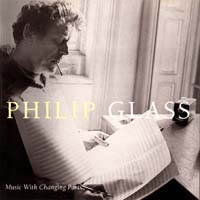 1971Music With Changing Parts
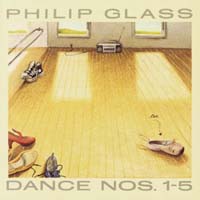 0Dance Nos. 1