
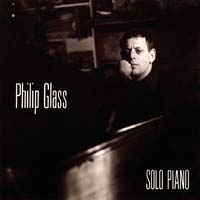
One week with Music In Twelve Parts, Parts 1 & 2: thoughts on Philip Glass
Music In Twelve Parts, Parts 1 & 2- Album Overview
Philip Glass's "Music In Twelve Parts" is a seminal work in the minimalist genre, originally composed between 1971 and 1974 and released in 1976. The album is produced by the composer himself and showcases a collaboration with his ensemble, which includes musicians like Jon Gibson, David Van Tieghem, and others who contribute to the intricate layering of sound. The piece is divided into 12 parts, with Parts 1 and 2 serving as an introduction to the work's complex structure and thematic explorations. Released on the Chiaroscuro label, this album exemplifies Glass's unique approach to composition, where repetitive structures and gradual transformations create a compelling auditory experience.
The recording sessions took place in the early 1970s, a period marked by Glass's exploration of non-Western musical traditions and the influence of avant-garde art movements. This album is not just a collection of tracks; it is a continuous journey that reflects the cultural shifts of its time and the emergence of minimalism as a significant genre in contemporary music. Its impact has been profound, influencing generations of musicians and composers across various genres, from classical to rock. "Music In Twelve Parts" was not released as a single album product, but its individual segments have been performed and celebrated in various concert settings, further solidifying Glass's status as a pioneer of modern music.
Review
Listening to "Music In Twelve Parts, Parts 1 & 2" is like embarking on a hypnotic journey through sound. The repetitive motifs and rhythmic patterns serve as a canvas for the listener, drawing one into a meditative state. Glass's mastery of layering instruments—strings, winds, and percussive elements—creates a rich tapestry that invites both contemplation and engagement. Unlike traditional songs with defined lyrics and choruses, these compositions excel in their ability to evoke emotion and thought through pure sound.
While some may find the structure of the pieces challenging due to their length and repetitive nature, it is precisely this quality that demonstrates Glass's artistic vision. Each part builds upon the last, creating a sense of progression that mirrors the complexities of life itself. The minimalist aesthetic forces listeners to focus on the subtleties of sound, making each listen a new discovery. Overall, the album is a testament to Glass's innovative spirit and his ability to push the boundaries of contemporary music.
Highlights
- The intricate layering of instruments creates a rich and immersive listening experience.
- Each part evolves gradually, allowing listeners to engage deeply with the music.
- The work's cultural significance as a pioneering piece in the minimalist genre.
Weak points
- The repetitive nature may not appeal to all listeners, potentially alienating some audiences.
- Lengthy compositions can be daunting for casual listeners seeking more conventional song structures.
- Some may find the lack of lyrics a barrier to emotional connection.
Overall evaluation
"Music In Twelve Parts, Parts 1 & 2" is an ambitious exploration of sound that showcases Philip Glass's innovative genius. While it may not cater to every musical taste, its importance in the minimalist canon cannot be overstated. This album rewards patience and deep listening, offering a profound experience for those willing to engage with its complexities.
Personal rating: 8/10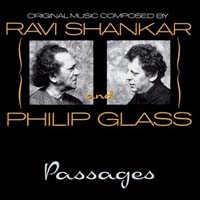 1990Passages
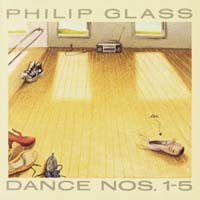 1988Dance Nos. 1-5
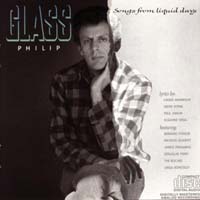 1986Songs From Liquid Days
 1983The Photographer
 1982Glassworks
 1979Einstein on the Beach
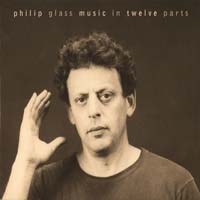 1975Music in Twelve Parts
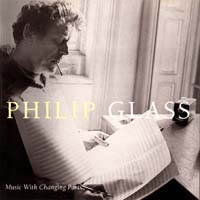 1971Music With Changing Parts
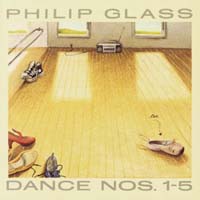 0Dance Nos. 1