

Review of John Cage – Prelude For Meditation
Prelude For Meditation- Album Overview
"Prelude For Meditation" is a seminal work by avant-garde composer John Cage, released in 1940. This album represents a pivotal moment in the evolution of contemporary classical music, showcasing Cage's exploration of silence, chance, and non-standard musical structures. The piece is rooted in Cage's interest in Zen philosophy and meditation, making it more than just a musical composition; it is an experience designed to provoke introspection and mindfulness.
The recording was released on the prestigious record label, New World Records, which has been influential in promoting American composers and experimental music. Cage's innovative approach to sound is evident in "Prelude For Meditation," which features a minimalist arrangement that allows for the natural ambiance of the performance space to interact with the music itself. Cage often collaborated with other artists and musicians, and though the album primarily showcases his work, it is indicative of the collaborative spirit of the time, with influences from the likes of Merce Cunningham in dance and other avant-garde artists.
This album does not include traditional tracks in the conventional sense but rather consists of a series of meditative pieces designed to evoke a sense of stillness and contemplation. The significance of "Prelude For Meditation" lies not only in its unique sound but also in its invitation to listeners to engage with music in a different way—one that emphasizes experience over conventional structure. This work has inspired countless musicians and composers, solidifying Cage’s legacy as a pivotal figure in modern music.
Review
The sound of "Prelude For Meditation" is both haunting and serene, characterized by Cage's use of silence and subtle textures. Unlike conventional music that relies on melody and rhythm, this work invites listeners to immerse themselves in the experience of sound as a meditative practice. The sparse instrumentation allows for moments of stillness that resonate deeply, challenging the audience's perception of what music can be. Cage's artistic vision transcends typical compositional techniques, pushing boundaries and encouraging listeners to reconsider their relationship with sound and silence.
The album's minimalist aesthetic may not appeal to everyone, as its lack of traditional structure can be disorienting for those accustomed to more conventional musical forms. However, for those willing to embrace the experience, "Prelude For Meditation" offers a profound exploration of consciousness and presence, making it a vital piece of 20th-century music.
Highlights
- Innovative exploration of silence and sound that challenges traditional music norms.
- Deeply meditative quality that encourages introspection and mindfulness.
- Significant cultural impact, influencing generations of composers and musicians.
Weak points
- Minimalist approach may alienate listeners preferring structured compositions.
- Limited accessibility for audiences unfamiliar with avant-garde music.
- Lack of conventional melody may make it less memorable for some.
Overall evaluation
"Prelude For Meditation" is a groundbreaking work that encapsulates John Cage's innovative spirit and philosophical inquiries into sound and silence. While its minimalist approach may not resonate with all listeners, its cultural significance and meditative qualities make it an essential piece for those interested in the evolution of contemporary music.
Personal rating: 8/10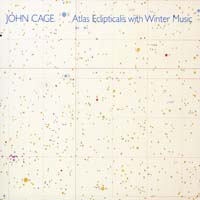 1993Winter Music
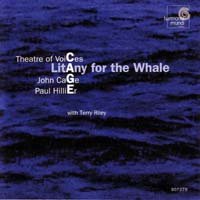 1992Litany for the Whale
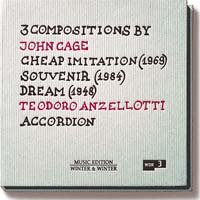 1977Cheap Imitation