ALBUM NOTESInside Sixty-eight / Quartets I-viii by John Cage
Sixty-eight / Quartets I-viii- Album Overview
John Cage's "Sixty-eight / Quartets I-viii," released in 1968, is an extraordinary exploration of avant-garde music that reflects Cage's innovative approach to composition. The album was released under the esteemed label, New World Records, which has long been a champion of contemporary classical music. This work features a series of quartets that are emblematic of Cage's philosophy of chance operations and non-standard musical notation, pushing the boundaries of what is considered music. The quartets were recorded by prominent ensembles and musicians, including the renowned Arditti Quartet, whose interpretations bring depth and nuance to Cage's unconventional structures.
The recording sessions took place at various locations, showcasing a variety of acoustic environments which contribute to the unique soundscapes found throughout the album. Each quartet within the collection is crafted with Cage's trademark use of silence, indeterminacy, and the integration of everyday sounds, challenging listeners to expand their understanding of musicality. Cage's work in the late 1960s was pivotal in the development of post-war avant-garde music, influencing generations of composers and musicians. The album does not feature traditional singles, as Cage’s work typically exists outside of the commercial music paradigm, instead serving as a profound artistic statement.
"Sixty-eight / Quartets I-viii" stands as a testament to Cage's radical ideas and his ability to transform the mundane into the extraordinary, making this album not just a collection of pieces but a significant cultural artifact of its time.
Review
Cage's "Sixty-eight / Quartets I-viii" is an audacious work that defies conventional listening experiences. The soundscapes created are layered and complex, inviting listeners to engage with the music actively rather than passively. The quartets are characterized by their unconventional structures and use of silence, which are hallmarks of Cage's philosophy. Each piece unfolds with a sense of unpredictability, reflecting Cage's belief in chance and the beauty of randomness. This lack of traditional melody or harmony may be challenging for some, but for those willing to immerse themselves in the experience, the result is a mesmerizing exploration of sound.
The artistic vision behind this album is rooted in a deep philosophical inquiry into the nature of music itself, questioning what constitutes a musical experience. Cage's use of prepared instruments and unconventional techniques transforms the listening experience, creating a dialogue between sound and silence that is both thought-provoking and evocative. His ability to evoke emotion and intellectual curiosity simultaneously is what sets this work apart and cements Cage's legacy as a pioneer of avant-garde music.
Highlights
- Innovative use of silence and chance operations.
- Complex soundscapes that challenge traditional musical norms.
- Exceptional interpretations by leading contemporary musicians.
Weak points
- May be inaccessible to listeners unfamiliar with avant-garde music.
- Lack of traditional structure could lead to listener fatigue.
- Not suitable for casual listening environments.
Overall evaluation
"Sixty-eight / Quartets I-viii" is a groundbreaking work that pushes the boundaries of musical composition and invites listeners into an exploratory journey of sound. While it may not appeal to everyone, its significance in the realm of contemporary music cannot be overstated. Cage's daring artistic vision continues to resonate today.
Personal rating: 8/10


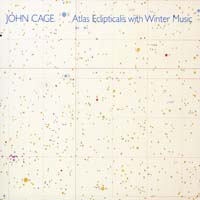 1993Winter Music
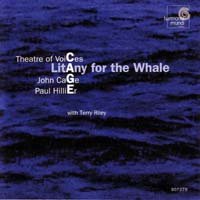 1992Litany for the Whale
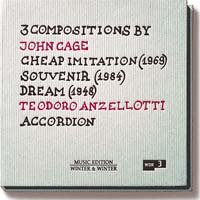 1977Cheap Imitation