ALBUM NOTESExploring the sound of John Cage-Roaratorio: Roaratorio
Album overview
John Cage's "Roaratorio," released in 1979, represents a significant contribution to the realm of experimental music, blending avant-garde techniques with literary innovation. The album is a sound collage based on the works of James Joyce, specifically "Finnegans Wake," and is designed to evoke the fluidity of language through auditory means. Produced by Cage himself and released under the esteemed label, Lovely Music, "Roaratorio" features a variety of collaborators, including the renowned percussionist and Cage's frequent associate, David Tudor.
The album is characterized by its unique structure, featuring a mix of spoken word, musical motifs, and environmental sounds, creating an immersive listening experience. The production process was deeply influenced by Cage's philosophies on chance operations and non-traditional forms of composition. The piece is divided into sections that reflect the complexity of Joyce's text, further enhanced by Cage's inventive use of tape manipulation and sound layering.
"Roaratorio" was not released as a traditional single, but rather as a complete work that stands alone in its artistic vision. Its significance lies in its challenge to conventional music forms and its exploration of the relationship between sound and language. Cage's work continues to resonate within contemporary music and art, influencing countless artists across various disciplines.
Review
"Roaratorio" serves as a testament to John Cage's genius, presenting a sonic landscape that is both challenging and rewarding. The album's sound is a fascinating amalgamation of spoken word and ambient noise, inviting listeners to engage with the material on a cerebral level. Cage's ability to weave Joyce's complex narrative into a tapestry of sound showcases his innovative approach to composition and his belief in the intrinsic value of silence and chance.
While the album may not cater to mainstream tastes, its artistic vision and conceptual depth offer a profound experience for those willing to immerse themselves in its layers. The juxtaposition of language and sound creates an atmosphere that is at once disorienting and enlightening, echoing the very themes of confusion and fluidity present in Joyce's writing. This work stands as a significant exploration of the boundaries of music, challenging listeners to reconsider their perceptions of sound as a medium for storytelling.
Highlights
- Innovative blend of spoken word and ambient soundscapes
- Deep engagement with literary themes, particularly from Joyce's "Finnegans Wake"
- Groundbreaking production techniques that influence contemporary experimental music
Weak points
- May be inaccessible to mainstream audiences
- Lengthy duration could challenge listener patience
- Complexity might detract from immediate enjoyment
Overall evaluation
"Roaratorio" is a landmark in experimental music, demonstrating John Cage's unique ability to fuse literature and sound into a cohesive auditory experience. It demands attention and reflection, rewarding those who engage with its depths.
Personal rating: 8/10
```

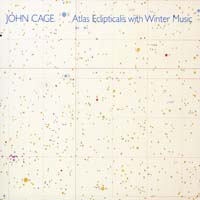 1993Winter Music
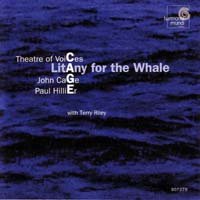 1992Litany for the Whale
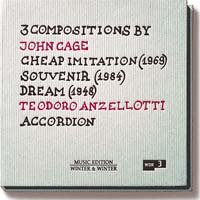 1977Cheap Imitation