
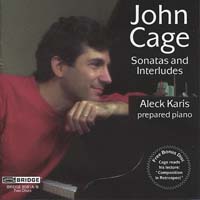
How John Cage shaped the sound of Thirteen
Thirteen- Album Overview
"Thirteen" is an avant-garde masterpiece by the American composer John Cage, released in 1970. This album is a significant exploration of the boundaries of sound, blending elements of classical music, chance operations, and unconventional instrumentation. "Thirteen" was released under the prestigious label, Mode Records, which has been instrumental in promoting contemporary and experimental music. The album showcases Cage's innovative use of silence and nontraditional sounds, reflecting his philosophy that all sounds can be music. The recording features a variety of musicians who were influenced by Cage's radical approach, although specific collaborators on this album are less documented compared to his more famous works.
The album consists of pieces that exhibit Cage's characteristic use of prepared piano, along with other instruments, creating a unique auditory experience that challenges listeners to reconsider their perception of music. Throughout the 1960s and 1970s, Cage was at the forefront of the avant-garde movement, and "Thirteen" stands as a testament to his influence on both contemporary classical music and the broader cultural landscape. The album, while not commercially successful in the traditional sense, has garnered a cult following and is often studied in academic settings for its innovative approach to sound and composition. Cage's work on "Thirteen" continues to inspire musicians across various genres, highlighting his lasting impact on the evolution of modern music.
Review
The sound of "Thirteen" is both challenging and rewarding, encapsulating Cage's avant-garde ethos. Each track is a foray into the unexpected, where silence intermingles with sound, and traditional musical structures are dismantled. The use of chance operations, a hallmark of Cage’s philosophy, allows for an unpredictable listening experience that can provoke a wide range of emotions. The album's exploration of nontraditional sounds invites listeners to engage actively with the music, rather than passively consume it.
From a critical standpoint, "Thirteen" exemplifies Cage's artistic vision, as it combines philosophical inquiries about music and sound with practical experimentation. His ability to weave moments of tranquility with bursts of noise creates a sonic tapestry that challenges conventional notions of harmony and melody. While some may find the lack of traditional musical progression disorienting, others will appreciate the freedom and innovation that Cage brings to the table.
Highlights
- Groundbreaking use of silence and chance operations.
- Innovative soundscapes that challenge traditional musical forms.
- Enduring influence on contemporary music and art.
Weak points
- May be inaccessible to casual listeners unfamiliar with avant-garde music.
- Lacks conventional melodies or structures that appeal to mainstream audiences.
- Limited documentation of collaborators may detract from its historical significance.
Overall evaluation
"Thirteen" is a profound exploration of sound and silence that solidifies John Cage's legacy as a pioneer of avant-garde music. It invites listeners to rethink their understanding of music and its possibilities, making it a pivotal work in the realm of contemporary classical composition.
Personal rating: 8/10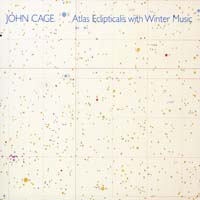 1993Winter Music
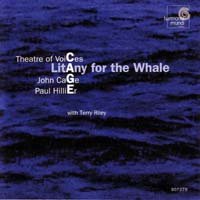 1992Litany for the Whale
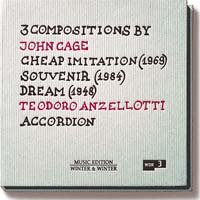 1977Cheap Imitation