
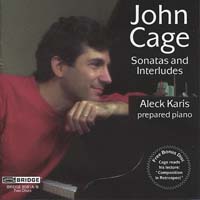
Check the vibes: John Cage – 16 Dances
16 Dances- Album Overview
Released in 1951, "16 Dances" by avant-garde composer John Cage showcases the innovative spirit of mid-20th century American music. This album, released under the Columbia Masterworks label, is a compilation of pieces originally composed for various dance performances. Cage, known for his radical approaches to sound and silence, wrote these dances to be performed by a multitude of collaborators, including notable dancers and choreographers like Merce Cunningham, who was instrumental in bringing Cage's music to the stage. The album features a series of short instrumental works that reflect Cage's exploration of chance operations and non-traditional musical structures.
Each piece on "16 Dances" is a testament to Cage's belief in the integration of music and movement, pushing the boundaries of both disciplines. The recording was made during a time when Cage was experimenting with new compositional techniques, utilizing unconventional instruments and sounds, which in turn influenced the development of contemporary classical music. The album does not have traditional singles, as the nature of the work defies conventional song structures. Instead, it is a collection that invites listeners to experience each dance as an individual exploration of rhythm and texture.
Cage's "16 Dances" is culturally significant, as it encapsulates the essence of the avant-garde movement in music, challenging listeners to rethink the role of music in society. The work has been influential in various fields, including modern dance, sound art, and even experimental rock music, reflecting Cage's lasting impact on the arts.
Review
John Cage's "16 Dances" is an audacious journey into the realm of sound and silence. The album defies traditional musical expectations, employing a unique blend of prepared piano, unconventional instruments, and an innovative use of silence that resonates throughout the compositions. Each dance offers a distinct auditory experience, ranging from serene and contemplative to chaotic and jarring, reflecting Cage’s philosophy that music can be found in everyday sounds. The absence of lyrics allows the listener to engage with the music on a purely emotional and intellectual level, inviting personal interpretation and connection.
Cage's ability to intertwine music with the physicality of dance creates an immersive atmosphere, where each piece feels alive and dynamic. His avant-garde vision not only challenges conventional music but also invites audiences to consider the broader implications of sound in their lives. Overall, "16 Dances" stands as a monumental work that continues to inspire musicians, dancers, and artists across genres.
Highlights
- Innovative use of chance operations and prepared instruments.
- Rich integration of music and dance, showcasing avant-garde collaboration.
- Cultural significance in shaping modern music and sound art.
Weak points
- May be challenging for listeners accustomed to traditional music forms.
- Some pieces may feel disjointed or lacking in conventional structure.
- Limited accessibility for those unfamiliar with Cage's artistic vision.
Overall evaluation
"16 Dances" is a landmark work that exemplifies John Cage's revolutionary approach to music and sound. It challenges listeners to expand their understanding of what music can be, making it a must-listen for anyone interested in the evolution of contemporary art. While its unconventional nature may not appeal to everyone, its impact on the musical landscape is undeniable.
Personal rating: 8/10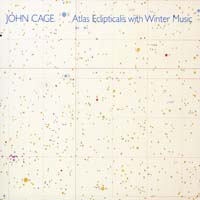 1993Winter Music
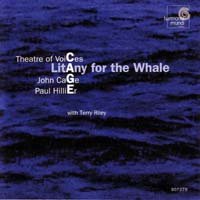 1992Litany for the Whale
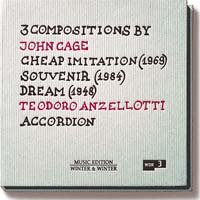 1977Cheap Imitation