
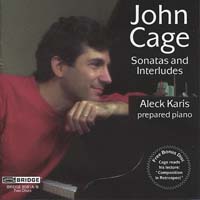
The Music Of John Cage And Harry Partch: the next chapter for John Cage
The Music Of John Cage And Harry Partch- Album Overview
"The Music Of John Cage And Harry Partch" is a fascinating exploration of the avant-garde landscape shaped by two of the most innovative composers of the 20th century. Released in 1982 under the label Music & Arts, this album serves as a bridge between the distinctive sound worlds of John Cage and Harry Partch, both of whom challenged conventional Western music structures. The recording features various pieces that showcase Cage's radical approach to composition and Partch's unique microtonal instruments, which he meticulously created for his own compositions.
The album includes notable tracks such as Cage's "Sonatas and Interludes," which highlights his prepared piano technique, and selections from Partch's "Delusion of the Fury," reflecting his philosophy of integrating music, theater, and visual art. Collaborators on this project include esteemed musicians and ensembles dedicated to performing contemporary classical music, further enriching the listening experience with their interpretations. The album not only celebrates Cage's pioneering spirit but also introduces listeners to the idiosyncratic world of Partch, making it a significant cultural artifact in the realm of experimental music.
This release stands as a testament to Cage's enduring influence and his role in shaping the discourse around sound and silence, while also illuminating Partch's contributions to the evolution of American music. The album invites listeners to appreciate the complexities and textures of sound that both composers so masterfully explored, marking a significant chapter in Cage's legacy.
Review
The soundscape of "The Music Of John Cage And Harry Partch" is both challenging and rewarding. Cage's works are characterized by their unconventional use of silence, chance, and prepared instruments, creating an immersive auditory experience that requires active engagement from the listener. The pieces are often unpredictable, which can lead to moments of disorientation but also moments of profound beauty. Partch's contributions, with their unique microtonal tunings and handmade instruments, add a rich layer of texture that complements Cage's avant-garde sensibilities.
Artistically, the album showcases a seamless dialogue between the two composers, with each track inviting a deep reflection on the nature of music itself. The juxtaposition of Cage's minimalism against Partch's complex arrangements urges listeners to reconsider their perceptions of musical form and structure. Throughout the album, the interplay of sound and silence becomes a central theme, echoing Cage's philosophy while simultaneously celebrating the innovative spirit of Partch.
Highlights
- Innovative use of prepared piano and microtonal instruments creates a unique listening experience.
- The collaboration between Cage and Partch provides a deep exploration of avant-garde music.
- The album's cultural significance highlights the evolution of contemporary classical music.
Weak points
- Some listeners may find the experimental nature of the music inaccessible.
- The absence of traditional melodies could alienate fans of mainstream music.
- Limited appeal outside the niche of avant-garde classical music enthusiasts.
Overall evaluation
"The Music Of John Cage And Harry Partch" is a compelling exploration of avant-garde music that challenges and expands the listener's understanding of sound. While it may not cater to everyone's tastes, it is a significant contribution to the canon of contemporary classical music and offers a profound listening experience for those willing to dive into its intricacies.
Personal rating: 8/10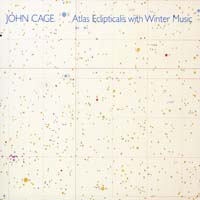 1993Winter Music
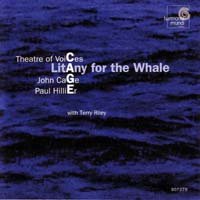 1992Litany for the Whale
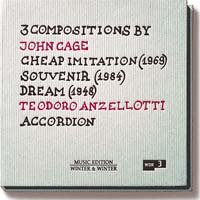 1977Cheap Imitation