
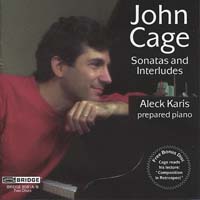
The evolution of John Cage in Singing Through
Singing Through- Album Overview
Released in 1970 by the renowned label ECM Records, John Cage's album Singing Through showcases the innovative and experimental spirit that Cage embodied throughout his career. This album stands as a significant piece in the realm of contemporary classical music, reflecting Cage's unique approach to sound and silence. The recording features a collaboration with the renowned vocal artist David Tudor, who plays an integral role in the album, utilizing prepared piano techniques that Cage famously pioneered.
The album consists of a collection of pieces that illustrate Cage's exploration of chance operations and non-standard musical forms. A notable track, “Song for David Tudor,” exemplifies Cage's ability to blend structured improvisation with avant-garde elements, allowing the performers' interpretations to shape the music dynamically. This release also aligns with Cage’s philosophical inquiries into the nature of sound, where he often emphasized the importance of environmental noise and the act of listening itself.
Singing Through not only serves as an auditory experience but is also a cultural artifact, reflecting the transformative era of the 1960s and 1970s, when traditional notions of music and performance were being challenged. Cage's work influenced a broad spectrum of artists across various disciplines, establishing him as a pivotal figure in the avant-garde movement. The album's unique auditory landscapes, characterized by Cage's signature use of silence and unconventional sounds, continue to inspire musicians and listeners alike.
Review
Singing Through is a profound testament to John Cage's artistic vision. The album's sound is characterized by its ethereal quality, evoking a sense of both tranquility and chaos, which is a hallmark of Cage's experimental style. The interplay between Tudor's prepared piano and Cage's vocalizations creates a rich tapestry of sound that is both challenging and rewarding for the listener. Each track invites contemplation, as Cage skillfully manipulates silence, allowing the listener's mind to fill in the gaps.
The lyrics, or lack thereof, challenge conventional song structures, pushing the boundaries of what one might consider music. Cage's approach to performance, where chance plays a crucial role, invites unpredictability that can vary from one listening experience to another. This quality makes Singing Through not just an album but an ongoing dialogue about the nature of sound, interpretation, and existence itself.
Highlights
- Innovative use of prepared piano techniques
- Deep philosophical exploration of sound and silence
- Collaborative synergy between Cage and Tudor
Weak points
- May be challenging for mainstream music listeners
- Some tracks may feel disjointed or abstract
- Limited accessibility due to avant-garde nature
Overall evaluation
Singing Through encapsulates John Cage's avant-garde spirit and remains a crucial contribution to contemporary music. Its experimental nature may not appeal to everyone, yet it offers a rich listening experience for those willing to embrace its complexities.
Personal rating: 8/10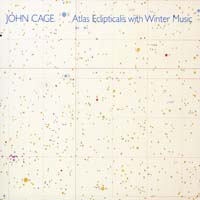 1993Winter Music
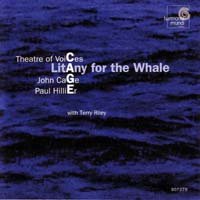 1992Litany for the Whale
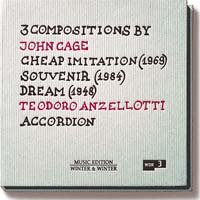 1977Cheap Imitation