ALBUM NOTESAlbum spotlight: John Cage-Works for Piano – Works for Piano
Album overview
John Cage's "Works for Piano," released in 1970, is a seminal collection that showcases the avant-garde composer's groundbreaking approach to music, particularly in the realm of prepared piano. Released under the prestigious label, ECM Records, this album features a series of compositions that challenge traditional notions of musical structure and sound. Cage, known for his innovative techniques, utilized unconventional objects to manipulate the piano's strings, creating unique timbres and textures. This collection includes pieces such as "Sonatas and Interludes," which demonstrates Cage's exploration of silence and chance, marking a significant departure from Western classical traditions. The album was recorded by prominent pianist David Tudor, a frequent collaborator with Cage, who brought his own interpretive flair to the compositions. The release is not only a reflection of Cage's artistic vision but also serves as a cultural artifact that highlights the experimental music movement of the 20th century. "Works for Piano" has since influenced countless musicians and composers, cementing Cage's legacy as a pioneer in the world of contemporary music.
Review
"Works for Piano" is an audacious exploration of sound that challenges listeners to rethink their preconceptions of music. Cage's compositions often blur the lines between music and noise, inviting a diverse range of interpretations. The use of prepared piano adds an additional layer of complexity, transforming the instrument into a soundscape rich with unexpected nuance. The album’s minimalist yet intricate textures create an atmospheric experience that can be both meditative and jarring. Cage’s artistic vision, deeply rooted in Zen philosophy and the concept of chance, comes through in the fluidity and unpredictability of the pieces. While some may find the lack of traditional melody and harmony disconcerting, those who embrace Cage's philosophy will find a rewarding journey through sound. The album's significance extends beyond the realm of music, prompting philosophical reflections on art, existence, and the nature of sound itself.
Highlights
- Innovative use of prepared piano techniques.
- Rich atmospheric soundscapes that challenge traditional music norms.
- Deeply philosophical themes that provoke thought and reflection.
Weak points
- May be inaccessible to listeners unfamiliar with avant-garde music.
- Some tracks may feel repetitive or meandering to casual listeners.
- Lack of conventional melody can deter fans of traditional classical music.
Overall evaluation
"Works for Piano" stands as a testament to John Cage's revolutionary spirit and enduring impact on contemporary music. It invites listeners into a world where sound and silence coexist in profound ways.
Personal rating: 8/10
```


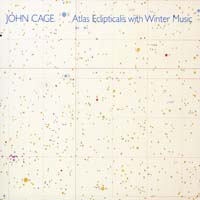 1993Winter Music
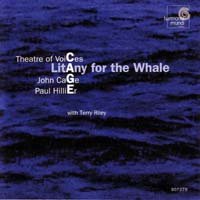 1992Litany for the Whale
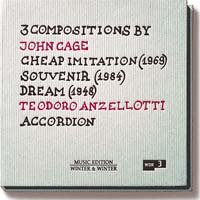 1977Cheap Imitation