ALBUM NOTESA closer look at John Cage-Works for Piano, Toy Piano 's album Works for Piano, Toy Piano
Album overview
John Cage's "Works for Piano, Toy Piano" is an innovative exploration into the realms of avant-garde music, embodying the essence of Cage's experimental approach. Released in 2019 under the label Infiné, this album features a collection of compositions that diverge from traditional piano music, showcasing Cage's fascination with chance and sound. The album is noted for its unconventional instrumentation, including toy pianos, which Cage often used to challenge the boundaries of musical expression. The recording features a variety of pieces, including "Sonatas and Interludes," which exemplify Cage's unique style, as well as lesser-known works that highlight his extensive contributions to contemporary classical music. Collaborators on this album include acclaimed performers who have dedicated their careers to interpreting Cage's works. The production draws from a rich history of Cage's influence on both the avant-garde and popular music scenes, making it a significant release in the modern classical genre. The cultural significance of Cage's work lies in its ability to engage listeners in a dialogue about the nature of sound and silence, pushing the envelope of what music can be.
Review
The soundscape of "Works for Piano, Toy Piano" is a testament to John Cage's genius in redefining musical boundaries. The use of toy pianos adds a whimsical yet profound layer to the compositions, allowing listeners to experience the playful side of Cage’s artistry. The album juxtaposes delicate melodies with the randomness that Cage is known for, creating an atmosphere of both tranquility and tension. Each track invites the audience to immerse themselves in a world where sound becomes an exploration of the unexpected. The artistic vision behind this project is evident in the meticulous attention to detail and the careful selection of pieces that resonate with both the historical context of Cage's work and contemporary interpretations. The absence of traditional structure invites listeners to engage with the music in a more personal, introspective way.
Highlights
- Innovative use of toy piano adds a unique texture to the compositions.
- Rich historical context that enhances the listening experience.
- Engages listeners in a dialogue about sound, silence, and musical boundaries.
Weak points
- May be challenging for listeners accustomed to traditional classical music.
- Some pieces may feel disjointed or abstract, potentially alienating mainstream audiences.
- Limited appeal outside of avant-garde and contemporary classical circles.
Overall evaluation
"Works for Piano, Toy Piano" is a compelling exploration of sound that exemplifies John Cage's groundbreaking contributions to music. While it may not cater to all tastes, its innovative spirit and rich historical significance make it a vital listen for those interested in the evolution of contemporary music.
Personal rating: 8/10
```


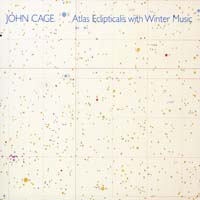 1993Winter Music
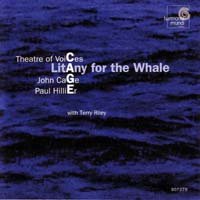 1992Litany for the Whale
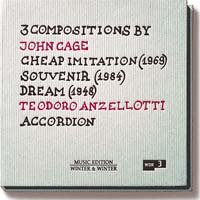 1977Cheap Imitation