

John Cage experiments boldly on Sonatas & Interludes For Prepared Piano
Sonatas & Interludes For Prepared Piano- Album Overview
Released in 1948, "Sonatas & Interludes for Prepared Piano" is a groundbreaking collection of compositions by avant-garde composer John Cage. This album is notable for its innovative use of the prepared piano, a technique that Cage pioneered which involves altering the piano's sound by placing objects—such as screws, rubber, and pieces of felt—on or between its strings. The album was recorded in 1948 and released under the esteemed label, Columbia Records. Cage's exploration of unconventional sounds and methods reshaped the landscape of modern music, bringing experimental music into the mainstream consciousness.
The collection consists of 16 pieces divided into 2 sonatas and 4 interludes, each showcasing Cage's unique ability to blend silence, rhythm, and unconventional harmonics. The recording features Cage's own performances, highlighting not only his compositional genius but also his skills as a pianist. The album was a pivotal moment in the development of experimental music and has influenced countless composers, musicians, and artists across genres. Its release coincided with the post-World War II avant-garde movement, where artists sought to break free from traditional norms and embrace new forms of expression.
Over the years, "Sonatas & Interludes" has been lauded for its cultural significance, representing a shift towards embracing chance and indeterminacy in music. The album has been featured in various modern music discussions and continues to inspire contemporary artists, proving the timelessness of Cage’s vision and approach to sound.
Review
The soundscape of "Sonatas & Interludes" is unlike anything that had come before, with Cage's prepared piano producing an array of textures and timbres that evoke a sense of otherworldliness. Each track unfolds with a meditative quality, oscillating between chaos and serenity. Cage's artistic vision is evident in his meticulous attention to the interplay of sound and silence, inviting listeners to experience music in a new light. The incorporation of prepared elements transforms the piano into a percussion instrument, creating a rich tapestry of sounds that challenge traditional notions of melody and harmony.
While the album lacks lyrics, its emotional weight is carried through the intricate arrangements and the careful pacing of each piece. Cage's work resonates with the listener on a visceral level, prompting them to reflect on the nature of sound itself. This album is not merely a collection of songs; it is an exploration of the very essence of music, pushing boundaries and encouraging audiences to reconsider their relationship with sound.
Highlights
- Innovative use of prepared piano that revolutionized modern composition.
- Intricate textures and soundscapes that invite deep listening and reflection.
- Cultural significance as a key work in the avant-garde movement of the mid-20th century.
Weak points
- May be challenging for listeners accustomed to traditional musical forms.
- The abstract nature may limit its appeal to a broader audience.
- Some tracks can feel repetitive or elusive in their structure.
Overall evaluation
"Sonatas & Interludes for Prepared Piano" stands as a monumental achievement in the realm of experimental music. John Cage's innovative approach to sound and composition has left an indelible mark on the music world. While it may not cater to everyone's tastes, its importance in the evolution of modern music cannot be overstated.
Personal rating: 9/10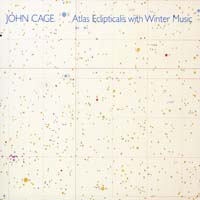 1993Winter Music
 1992Litany for the Whale
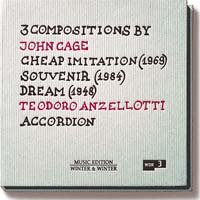 1977Cheap Imitation