
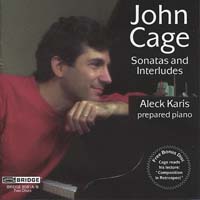
New York School 3: what John Cage wants you to feel
New York School 3- Album Overview
Released in 1990, "New York School 3" is a compelling exploration of avant-garde music by the influential composer John Cage. This album is part of a series that reflects Cage's deep ties to the New York City art scene and his innovative approach to sound and silence. Released by the prestigious label Mode Records, "New York School 3" features a collection of pieces that blend Cage's characteristic use of chance operations and non-traditional instrumentation. The recording showcases collaboration with notable musicians such as percussionist David Tudor, who was instrumental in bringing Cage's visions to life, and the New York-based Ensemble Intercontemporain, known for their commitment to contemporary music. The album includes pieces like "Sonatas and Interludes" and "Music for Prepared Piano," which highlight Cage's pioneering work in the realm of prepared piano, where everyday objects are used to alter the sound of the instrument. This album was significant not only for its musical content but also for its role in the cultural landscape of the late 20th century, where experimental music began to gain traction in both academic and public domains. Cage's work continues to challenge traditional notions of music, inviting listeners to engage with sound in new and thought-provoking ways. The album's production values are exemplary, capturing the intricate textures of Cage's compositions and allowing the listener to experience the subtleties and complexities of his musical language.
Review
"New York School 3" serves as both an auditory experience and a philosophical inquiry into the nature of sound. Cage's compositions are meticulously crafted, yet they often feel spontaneous, encouraging a sense of freedom and exploration. The use of silence and unconventional sounds creates an atmosphere that can be both disorienting and enlightening. The interplay between the musicians and the prepared piano is particularly striking, demonstrating Cage's mastery in orchestrating disparate elements into a cohesive whole. While not traditionally melodic, the album invites listeners to immerse themselves in the textures and nuances of the sound world Cage has created. Cage's artistic vision transcends the boundaries of conventional music, pushing listeners to reconsider their perceptions of sound, silence, and the act of listening itself. The philosophical underpinnings of his work resonate throughout the album, making it a pivotal listen for anyone interested in the evolution of modern music and its cultural implications.
Highlights
- Innovative use of prepared piano that transforms the sound experience.
- Engaging collaborations with renowned musicians, enhancing the overall quality of the album.
- A thought-provoking exploration of sound and silence that challenges traditional music norms.
Weak points
- May be challenging for listeners accustomed to conventional musical structures.
- Some tracks may feel repetitive or abstract, potentially alienating mainstream audiences.
- The album's experimental nature may limit its appeal to a niche audience.
Overall evaluation
"New York School 3" stands as a testament to John Cage's innovative spirit and his profound influence on modern music. It is a captivating listen for those willing to engage with its complexities and philosophical inquiries. While it may not cater to all musical tastes, it remains an essential work for understanding the evolution of contemporary sound.
Personal rating: 8/10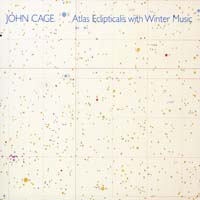 1993Winter Music
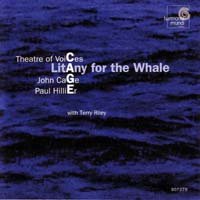 1992Litany for the Whale
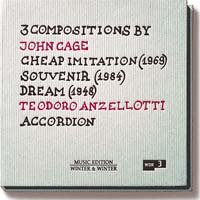 1977Cheap Imitation