ALBUM NOTESHow John Cage shaped the sound of The Kroumata Percussion Ensemble 2 / Manuela Wiesl
The Kroumata Percussion Ensemble 2 / Manuela Wiesl- Album Overview
The album "The Kroumata Percussion Ensemble 2 / Manuela Wiesl," released in 1991, showcases the innovative and experimental spirit of composer John Cage, whose influence reverberates through the works performed by the Kroumata Percussion Ensemble. The ensemble, founded in Sweden in the 1980s, is renowned for its commitment to contemporary percussion music, and this album reflects that dedication. It features a selection of Cage's works arranged for percussion, highlighting the unique textures and sonic possibilities inherent in percussion instruments.
Notably, the album includes pieces such as "Third Construction" and "Sixteen Dances," both of which exemplify Cage's exploration of rhythm and silence. The recording was produced under the label Phonogram, with the ensemble consisting of skilled percussionists who are adept at interpreting Cage's intricate scores. Collaborators on this project include notable figures in contemporary classical music, enhancing the album's depth and authenticity.
Cage’s philosophy of embracing chance operations and the use of unconventional sounds is evident throughout the album, pushing the boundaries of traditional percussion music. "The Kroumata Percussion Ensemble 2" not only serves as a testament to Cage's lasting impact on the genre but also celebrates the ensemble's artistry in bringing these compositions to life, marking a significant contribution to the canon of contemporary classical music.
Review
"The Kroumata Percussion Ensemble 2 / Manuela Wiesl" offers an enthralling auditory experience that challenges listeners' perceptions of rhythm and sound. The ensemble's performance is marked by exceptional precision and a deep understanding of Cage's avant-garde techniques. Each track unfolds like a sonic landscape, where percussive elements blend seamlessly with silence, creating a compelling dialogue within the music.
Cage's influence is palpable, as the ensemble navigates complex rhythms and textures with finesse. The use of unconventional instruments and techniques evokes a sense of spontaneity and unpredictability, hallmarks of Cage's philosophy. The interpretation of "Third Construction," for instance, highlights the intricate interplay between various percussion instruments, showcasing the ensemble's virtuosity and Cage's innovative spirit.
While the album is steeped in the avant-garde tradition, it remains accessible, inviting both seasoned listeners and newcomers to immerse themselves in its rich soundscapes. The artistic vision of the Kroumata Percussion Ensemble is not only a tribute to Cage's legacy but also a reflection of their own creative identity, making this album a significant addition to contemporary classical music.
Highlights
- Exceptional precision and interpretation of Cage's complex works.
- Innovative use of percussion techniques and unconventional sounds.
- A profound exploration of rhythm and silence, embodying Cage's artistic philosophy.
Weak points
- Some listeners may find the avant-garde style challenging or inaccessible.
- The album may lack the melodic elements common in more traditional compositions.
- Lengthy compositions may require a dedicated listening environment for full appreciation.
Overall evaluation
"The Kroumata Percussion Ensemble 2 / Manuela Wiesl" is a captivating exploration of John Cage's revolutionary approach to percussion music. While it may challenge conventional listening habits, it rewards those willing to engage with its complexities.
Personal rating: 8/10

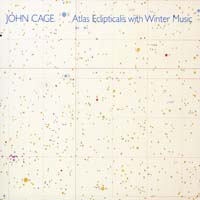 1993Winter Music
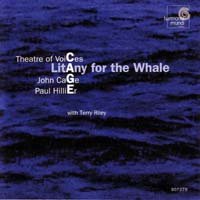 1992Litany for the Whale
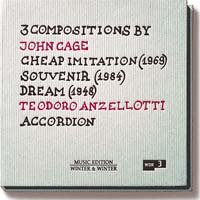 1977Cheap Imitation