ALBUM NOTESThe evolution of John Cage-Works for Prepared Piano in Works for Prepared Piano
Album overview
John Cage's "Works for Prepared Piano," released in 1949, stands as a pivotal moment in the realm of avant-garde music. This groundbreaking album was released under the label Columbia Records and features Cage's innovative approach to the piano, where objects are placed on or between the strings to alter the instrument's sound. The prepared piano technique, for which Cage is renowned, creates a unique blend of percussive and melodic elements that push the boundaries of conventional piano music. The compositions included in this collection are a mixture of concert pieces, showcasing Cage's experimental ethos and his exploration of chance music, where elements of unpredictability are embraced.
Cage recorded this album with high-caliber musicians, including the esteemed pianist and performer, David Tudor, who was instrumental in bringing these works to life. The album features notable pieces such as "Sonatas and Interludes," which exemplify Cage's meticulous attention to timbre and texture. The cultural significance of this album cannot be overstated, it not only defined a genre but also influenced generations of composers and musicians who sought to challenge the status quo. Cage's work opened up new dialogues about sound, silence, and the nature of music itself, making "Works for Prepared Piano" an essential listen for anyone interested in the evolution of contemporary classical music.
Review
Cage's "Works for Prepared Piano" is a remarkable exploration of sound that defies traditional categorization. The album's sonic landscape is both intricate and chaotic, reflecting Cage's philosophical inquiries into the nature of music and its relationship with the listener. Each track invites the audience into a world where silence and sound coexist, creating a meditative experience that challenges preconceived notions of musical form. The use of prepared piano transforms the instrument into a percussive soundscape, where every note resonates with a distinct character.
The artistic vision behind this work is profound, Cage not only redefined the piano but also expanded the definition of what music can be. The lack of conventional melody and rhythm invites the listener to engage with the music on a deeper level, prompting introspection and contemplation. While some may find the sounds disjointed or challenging, others will appreciate the genius behind this radical departure from the norm. Cage's ability to evoke emotion through unconventional means marks him as a pioneering figure in 20th-century music.
Highlights
- Innovative use of the piano, creating a unique sound palette.
- Groundbreaking compositions that challenge traditional music structures.
- Profound cultural impact on contemporary classical and avant-garde music.
Weak points
- May be perceived as inaccessible to casual listeners.
- Some tracks can feel repetitive or lacking in conventional structure.
- The experimental nature may not resonate with all musical tastes.
Overall evaluation
"Works for Prepared Piano" by John Cage is an essential work that invites listeners to reconsider their understanding of music. Its innovative approach and cultural significance have solidified Cage's place in music history. While it may not appeal to everyone, its contribution to the evolution of sound is undeniable.
Personal rating: 8/10
```


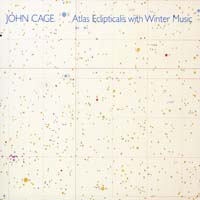 1993Winter Music
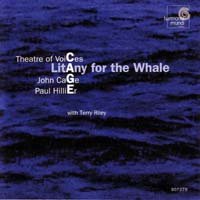 1992Litany for the Whale
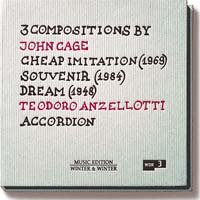 1977Cheap Imitation