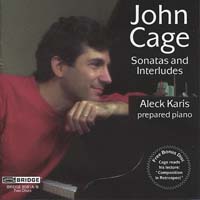
ALBUM NOTESInside Sonatas and Interludes for Prepared Piano (1946-1948) by John Cage - Sonatas and Interludes for Prepared Piano (1946-1948) (Darryl Rosenberg)
Album overview
John Cage's "Sonatas and Interludes for Prepared Piano" was composed between 1946 and 1948 and is among the composer's most important works, showcasing his innovative use of the prepared piano—a grand piano altered by placing objects between or on the strings to create unique timbres. This album, featuring the interpretation of pianist Darryl Rosenberg, revives Cage's exploration of chance, silence, and the relationship between sound and environment. Released under the label Mode Records, this recording captures the intricate textures of the sonatas and interludes as Cage intended, pushing the boundaries of conventional piano music. The work consists of 16 pieces, divided into two sonatas and several interludes, that reflect Cage's philosophical inquiries into the nature of music. The album not only highlights Cage’s avant-garde compositional techniques but also marks a significant shift in post-war music, influencing countless musicians and composers in the realms of classical and contemporary genres. This approach to sound resonated with the cultural movements of the time, including Surrealism and Zen Buddhism, offering a new lens through which to understand music as a form of expression. Rosenberg's interpretation further emphasizes the subtleties and complexities of Cage's work, providing listeners with an immersive experience of the prepared piano's capabilities.
Review
Darryl Rosenberg's interpretation of Cage's "Sonatas and Interludes" is a masterclass in balancing precision with spontaneity. Each track reveals a different shade of the prepared piano's sonic palette, from percussive strikes to hauntingly beautiful melodies. Rosenberg manages to maintain an organic flow throughout the performance, allowing the listener to appreciate the innovative textures that Cage envisioned. The recording quality is pristine, capturing the subtle nuances that can often be lost in more traditional piano recordings. The absence of conventional structure in the pieces reflects Cage's philosophical ideals, inviting listeners to embrace unpredictability and silence as integral elements of music. While some may find the lack of traditional harmonic progression challenging, those willing to engage with Cage's avant-garde perspective will find a rich tapestry of sound that expands the definition of music itself.
Highlights
- Innovative use of prepared piano that showcases unique timbres and textures.
- Rosenberg's nuanced performance brings out the subtleties in Cage's compositions.
- Cultural and philosophical significance, reflecting post-war avant-garde movements.
Weak points
- The unconventional structure may alienate traditional classical music listeners.
- Some tracks may feel repetitive in their exploration of sound.
- Limited accessibility for those unfamiliar with Cage's avant-garde approach.
Overall evaluation
John Cage's "Sonatas and Interludes for Prepared Piano," as interpreted by Darryl Rosenberg, is a profound exploration of sound that challenges conventional music norms. It's an essential listen for anyone interested in the evolution of contemporary music and the art of the prepared piano.
Personal rating: 9/10
```

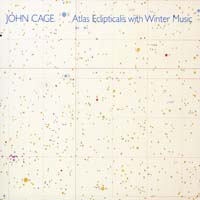 1993Winter Music
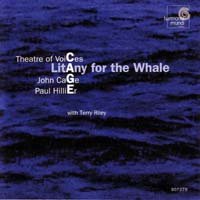 1992Litany for the Whale
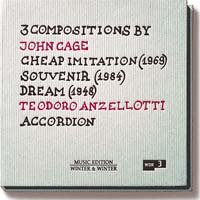 1977Cheap Imitation