ALBUM NOTESInside Americana by John Cage
Americana- Album Overview
John Cage's "Americana" is a notable contribution to the avant-garde music landscape, released in 1942. While Cage is best known for his innovative approaches to sound and silence, this album showcases his unique interpretation of American musical themes. "Americana" was released under the Vanguard label and features a collection of pieces that reflect Cage’s deep interest in American culture and its artistic expressions.
The album consists of works that blend elements of classical music with experimental techniques, showcasing Cage's fascination with chance music and non-traditional instrumentation. Collaborators on this project included prominent figures from the modern music scene, such as pianist David Tudor, who played a pivotal role in interpreting Cage's complex compositions. The production process was marked by Cage's unconventional methods, often incorporating everyday sounds and objects, which would later define his legacy in the musical world.
"Americana" includes tracks that resonate with the themes of American life, often characterized by a sense of irony and playfulness. Although not as commercially successful as some of Cage’s later works, it nonetheless represents a significant step in his artistic evolution and the development of American avant-garde music. The cultural significance of "Americana" lies in its challenge to the traditional boundaries of music, encouraging listeners to explore the sounds of their environment in new and profound ways.
Review
Cage's "Americana" offers listeners a captivating auditory experience that is both challenging and rewarding. The soundscapes created within this album are rich and varied, characterized by a playful experimentation with texture and rhythm. While the tracks often lack conventional melodies, they compensate with an intricate layering of sounds that captures the essence of Americana.
Cage's artistic vision is evident throughout the album, as he juxtaposes the familiar with the avant-garde, forcing listeners to reconsider their preconceived notions of music. The absence of traditional structures allows for a free-flowing exploration of sound, echoing the vast landscapes and cultural diversity of America. The use of silence, a hallmark of Cage's style, is also present, inviting listeners to reflect on the spaces between the sounds.
Overall, "Americana" serves as a profound commentary on American identity through the lens of experimental music, making it a vital piece of Cage's discography and a significant influence on generations of musicians who followed.
Highlights
- Innovative use of sound and silence
- Rich exploration of American cultural themes
- Collaboration with influential artists like David Tudor
Weak points
- May be challenging for mainstream listeners
- Lack of conventional melodies can be polarizing
- Limited commercial appeal compared to Cage's other works
Overall evaluation
"Americana" by John Cage stands as a testament to the intersection of American culture and avant-garde music. It challenges listeners to expand their understanding of what music can be, even if it may not resonate with everyone.
Personal rating: 8/10


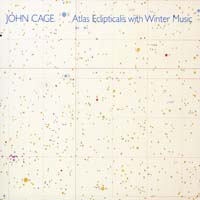 1993Winter Music
 1992Litany for the Whale
 1977Cheap Imitation